Man Mo Temple
Hong Kong, China
Discover Man Mo Temple, Hong Kong's historic Taoist temple. Explore its rich history, unique architecture, and spiritual significance in Sheung Wan.
Overview
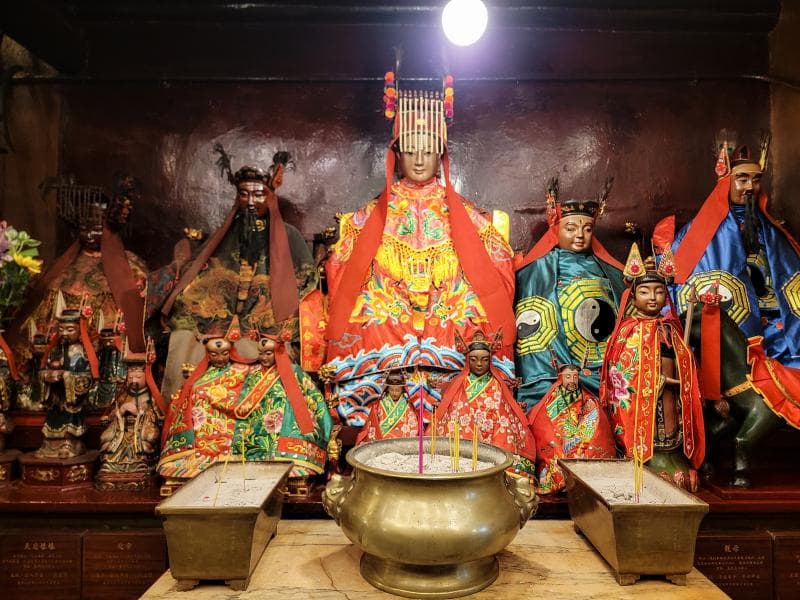
Nestled amidst the bustling streets of Sheung Wan in Hong Kong, the Man Mo Temple stands as a serene and historically significant Taoist temple. It is one of the city's oldest and most revered religious sites, offering a tranquil escape from the urban energy. Dedicated primarily to two prominent deities – Man Cheong (the God of Literature) and Mo Tai (the God of Martial Arts) – the temple embodies the traditional Chinese reverence for both intellectual prowess and martial integrity. Its intricate architecture, atmospheric interior filled with the scent of burning incense, and active worship practices make it a compelling cultural landmark for both locals and curious travelers.
History & Cultural Background
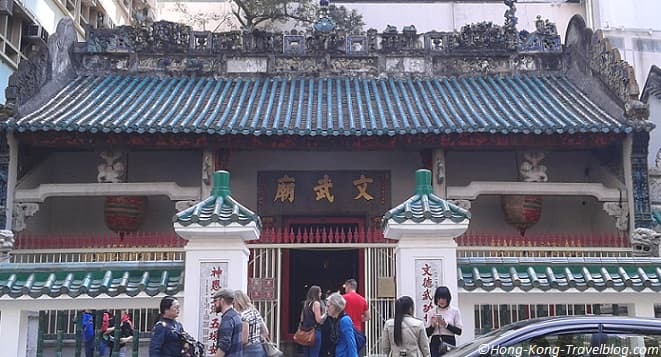
The Man Mo Temple complex, constructed between 1847 and 1862, was built by wealthy Chinese merchants during the early British colonial period of Hong Kong. At a time of rapid Western influence, the temple served as a crucial symbol for preserving traditional Chinese culture and beliefs. Beyond its spiritual role, it functioned as a vital community hub, offering social services, mediating disputes, and even providing a form of legal arbitration when trust in colonial courts was low for Chinese residents. The compound consists of three main blocks: the central Man Mo Temple, Lit Shing Kung for the worship of all heavenly gods, and Kung Sor, which historically served as a community meeting hall. Its enduring historical and social value led to its designation as a declared monument in 2010, and it has been managed by the Tung Wah Group of Hospitals since 1908.
What Makes It Special
What truly sets Man Mo Temple apart is its remarkable blend of historical depth and vibrant spiritual life. The temple's traditional Qing Dynasty architecture, featuring a green tiled roof, red columns, elaborate granite carvings, wooden plaques, and ceramic figurines, showcases exquisite craftsmanship. Inside, the atmosphere is profoundly mystical, often described as 'ethereal' due to the dim lighting and the pervasive, fragrant smoke from hundreds of hanging spiral incense coils. These massive coils, some burning for weeks, symbolize prayers ascending to the heavens and create a visually striking and uniquely immersive experience. The temple stands as one of Hong Kong's oldest surviving structures, providing a tangible link to the city's pre-modern past amidst a skyline of contemporary skyscrapers.
Stories, Fun Facts & Local Details
Man Mo Temple is rich with fascinating stories and local customs. Worshippers frequently visit to pray for academic success, career advancement, and personal prosperity, especially significant during exam seasons and the Chinese New Year. Historically, the temple played a unique role in resolving community disputes, sometimes involving solemn oath-taking rituals. Visitors can observe traditional cultural practices like the lighting of incense sticks or the ancient divination method of 'kau cim,' using bamboo sticks to seek answers from the divine. Notable artifacts within the temple include a bronze bell from 1847 and intricately carved wooden sedan chairs from the 19th century, once used to transport divine statues during festivals. The temple's location in Sheung Wan further enhances its charm, as the surrounding neighborhood is one of Hong Kong Island's most historically layered areas, known for its antique shops and traditional Chinese medicine stores.
Visitor Perspective
Visiting Man Mo Temple offers an authentic and contemplative cultural experience. While entry is free, visitors are encouraged to be respectful and quiet, particularly as it remains an active place of worship. Photography is generally permitted in public areas, but flash photography is often disallowed, and discretion is advised when photographing worshippers during prayer. The temple is easily accessible, located on Hollywood Road, a short walk from Sheung Wan MTR Station (Exit A2) or via the Central-Mid-Levels Escalator. A visit typically takes about 30 to 45 minutes, though many choose to spend longer soaking in the unique atmosphere. Weekday mornings are often recommended for a quieter experience.
Coordinates: 114.1502, 22.284
View on Google Maps💬 How Travelers Describe This Place
Based on community votes
Interesting
494Must See
242Photogenic
193Unique
125Beautiful
82
Traveler Stories
Discover memorable experiences shared by travelers who have visited this place.
No traveler stories yet.
Be the first traveler to share what made this place memorable.
Things to see at Man Mo Temple



Tour
By
Spot
Discover amazing places around the world. Your journey starts here.
Explore
© 2026 TourBySpot. All rights reserved.