Main Altar of Man Cheong and Mo Tai
Hong Kong, China
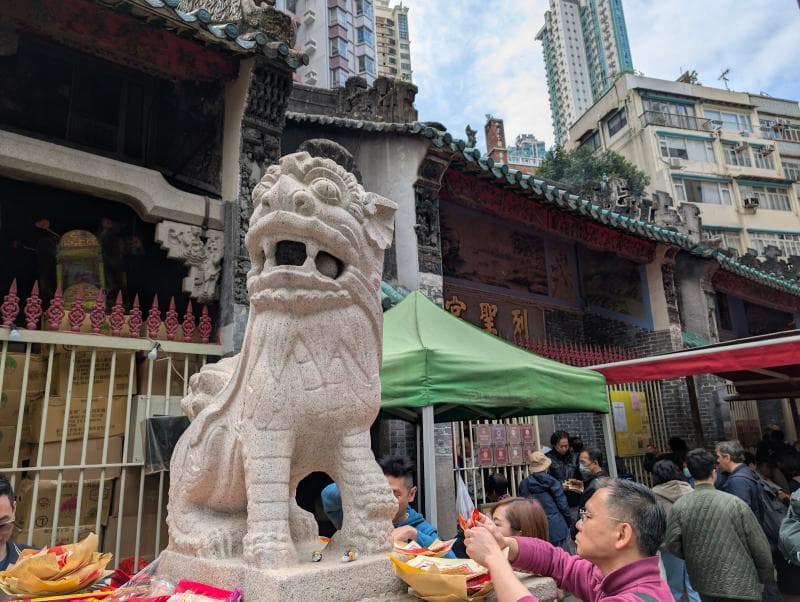
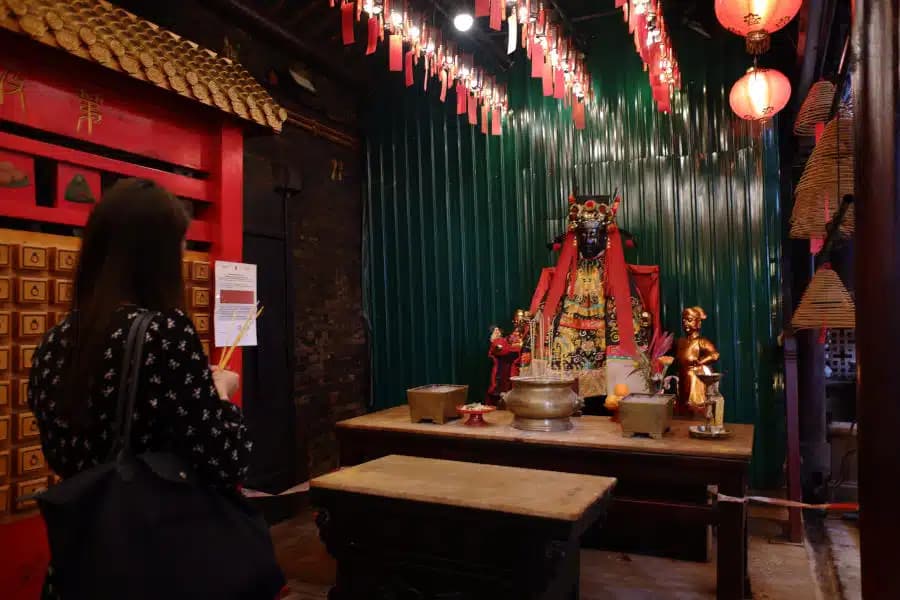
Explore the Main Altar of Man Cheong and Mo Tai within Hong Kong's historic Man Mo Temple. Discover the Gods of Literature and War, their cultural significance, and the temple's rich history in China.
Overview
Nestled amidst the bustling modern landscape of Hong Kong's Sheung Wan district, the Man Mo Temple stands as a serene and historically significant landmark. At its heart lies the Main Altar of Man Cheong and Mo Tai, dedicated to the revered Gods of Literature and Martial Arts. This ancient temple, a declared monument, offers a profound glimpse into Hong Kong's rich cultural heritage and traditional Chinese beliefs. It is a place where intellect and strength, scholarship and valor, are equally honored, reflecting a timeless quest for balance and success.
The temple complex on Hollywood Road is primarily devoted to Man Cheong, the God of Literature, and Mo Tai, the God of Martial Arts. This dual dedication makes it unique, symbolizing the importance of both academic prowess and moral fortitude in traditional Chinese society.
History & Cultural Background
The Man Mo Temple, along with its adjacent structures Lit Shing Kung and Kung Sor, was constructed between 1847 and 1862 by wealthy Chinese merchants during the early colonial period of Hong Kong. It quickly became a vital community hub, serving not only as a place of worship but also as a venue for resolving disputes and administering justice among the local Chinese population.
Man Cheong, also known as Man Tai, is believed to have been a government official named Cheung Ah Tse, born in 287 A.D. during the Jin Dynasty. He gained posthumous recognition as 'Man Tai' during the Yuan Dynasty and is traditionally associated with overseeing education and the promotion of government officials. His image often depicts him holding a writing brush, symbolizing his influence over academic and career achievements.
Mo Tai, or Kwan Tai (Guan Yu), was a formidable warrior born in 160 A.D. during the turbulent Three Kingdoms period. Revered for his bravery, loyalty, and righteousness, he was deified as 'Mo Tai' during the Ming Dynasty. Mo Tai is typically shown holding a precious sabre, representing his exceptional martial skills and moral integrity. He was historically a patron god for various groups, including both police and triads, due to his embodiment of brotherhood and honor.
Since 1908, the temple has been officially managed by the Tung Wah Group of Hospitals, an arrangement established by the Man Mo Temple Ordinance. Revenues generated by the temple contribute significantly to charitable causes, including education and healthcare, highlighting its enduring role in community welfare.
What Makes It Special
The Main Altar of Man Cheong and Mo Tai is the spiritual heart of the temple. Here, the statues of the two deities are enshrined, embodying the harmonious balance between intellect and martial prowess. Man Cheong, the God of Literature, with his scholarly attributes, represents the pursuit of knowledge and success in civil endeavors. Opposite him, Mo Tai, the God of Martial Arts, symbolizes strength, integrity, and protection.
The altar's placement within the temple, often on a raised platform in the rear hall, adheres to traditional Chinese architectural principles. The temple itself is a magnificent example of Qing Dynasty architecture, featuring a distinctive green tiled roof, intricately carved wooden panels, vibrant ceramic figurines, and detailed plaster moldings. The dimly lit interior, illuminated by sunlight filtering through wooden lattice windows, creates an ethereal and reverent atmosphere, further enhancing the sense of stepping into a sacred space.
Stories, Fun Facts & Local Details
One of the most captivating features of the Man Mo Temple is the sight of giant, slow-burning spiral incense coils suspended from the ceiling. These colossal coils, some several feet wide, can burn for weeks, their smoke rising gracefully upwards, symbolizing worshippers' prayers ascending to the heavens. The rich, aromatic scent of incense is a constant presence, enveloping visitors in a mystical ambiance.
For centuries, students and scholars have visited the Man Mo Temple, particularly Man Cheong's altar, to pray for academic success and good fortune in examinations. A common practice is for students to gently touch Man Tai's writing brush, believing it will impart wisdom and ensure outstanding academic results. Conversely, Mo Tai's altar draws those seeking blessings for courage, loyalty, and success in business ventures or personal challenges, often associated with his role as a protector.
Beyond its spiritual functions, the temple played a crucial social role in old Hong Kong. Its Kung Sor section served as a community hall where local disputes were mediated and settled, sometimes through traditional oath-taking ceremonies involving 'burning yellow paper' or 'chopping off a chicken's head' to bind declarations. This historical function underscores its deep integration into the social fabric of the Chinese community.
Visitor Perspective
Visiting the Main Altar of Man Cheong and Mo Tai is an immersive sensory experience. The moment you step through the temple's ornate entrance, you are transported away from the urban clamor of Hong Kong. The air is thick with the evocative scent of incense, and the soft, diffused light creates a tranquil and reflective environment. Witnessing locals engaging in traditional rituals – lighting incense sticks, offering prayers, or leaving symbolic fruits – provides a profound insight into living Chinese traditions.
The temple offers a peaceful retreat and a unique contrast to the city's modern skyscrapers. It invites quiet contemplation and respect for the customs observed within. While photography is often permitted, it is important to do so discreetly and without flash to maintain the serene atmosphere and show reverence to those worshipping. This spiritual and cultural gem is not just a historical site; it is a vibrant, active place of worship that continues to shape the lives of many in Hong Kong.
Coordinates: 114.1528, 22.2847
View on Google Maps💬 How Travelers Describe This Place
Based on community votes
Interesting
692Must See
674Photogenic
491Unique
261Beautiful
49
Traveler Stories
Discover memorable experiences shared by travelers who have visited this place.
No traveler stories yet.
Be the first traveler to share what made this place memorable.

Tour
By
Spot
Discover amazing places around the world. Your journey starts here.
Explore
© 2026 TourBySpot. All rights reserved.