La Croix-Rousse
Lyon, France
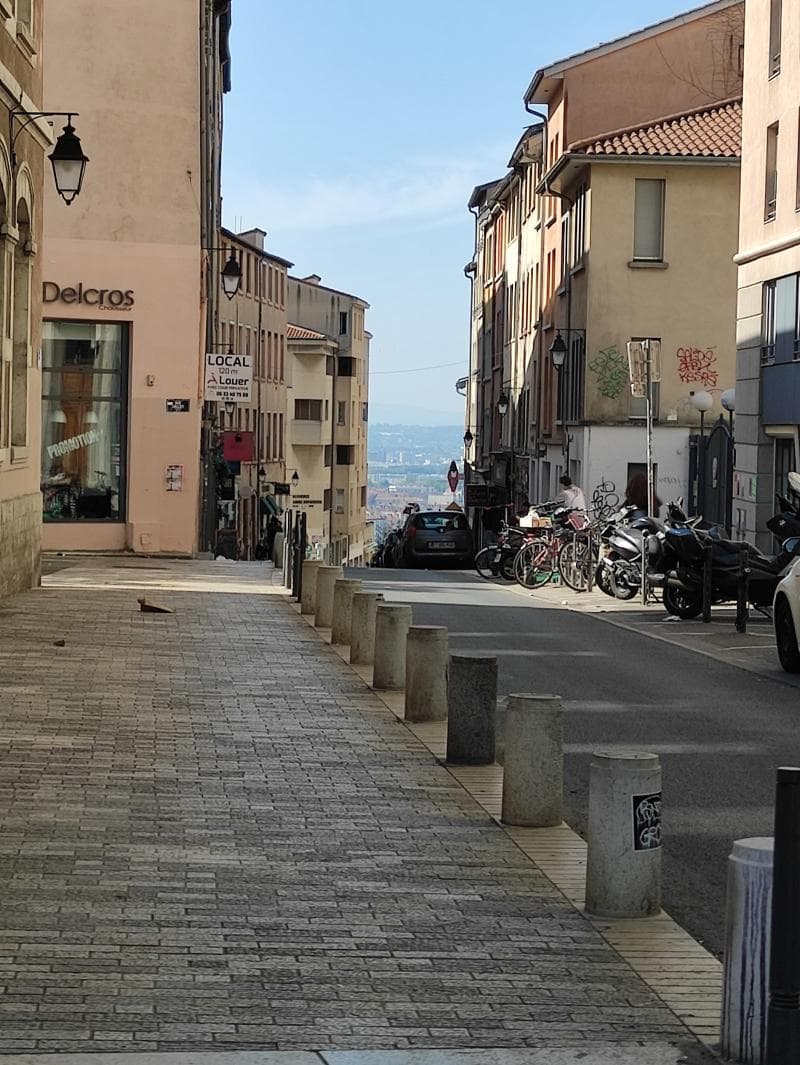
Explore La Croix-Rousse in Lyon, France, a UNESCO-listed district. Discover its silk-weaving history, 'traboules', vibrant markets, and unique village charm.
Overview
Perched majestically on a hill overlooking the vibrant city of Lyon, France, La Croix-Rousse is far more than just a district; it's a living testament to a rich industrial past and a hub of contemporary creativity. Often dubbed 'the hill that works' ('la colline qui travaille'), in contrast to Fourvière, 'the hill that prays', this distinctive neighborhood offers a unique blend of history, culture, and a palpable village-like atmosphere. Divided into 'les pentes' (the slopes) and 'le plateau' (the plateau), La Croix-Rousse was inscribed on the UNESCO World Heritage List in 1998, recognizing its profound historical significance and remarkable urban continuity. Its narrow streets, hidden passageways, and panoramic viewpoints offer visitors a captivating journey through centuries of Lyonnaise life.
History & Cultural Background
The name 'La Croix-Rousse' itself, meaning 'the russet/red cross', originates from a reddish-brown stone cross erected on the hill in the 16th century. However, it was in the 18th and 19th centuries that the district truly forged its identity as the heart of Lyon's silk industry. With the advent of the Jacquard loom in the early 19th century, silk workshops, and the skilled workers known as 'Canuts', migrated to La Croix-Rousse. The area's buildings were specially constructed with high ceilings and tall windows to accommodate the large looms, a unique architectural adaptation still visible today.
Life for the Canuts was arduous, characterized by poor working conditions and fluctuating wages. This led to a series of significant worker uprisings, famously known as the Canut revolts, in 1831 and again in 1834. These revolts are considered some of the first major worker uprisings in Europe, highlighting the strong social conscience and rebellious spirit embedded in the district's history. The enduring legacy of the Canuts and their industrial heritage is a key reason for La Croix-Rousse's UNESCO World Heritage status, shared with other historic districts of Lyon.
What Makes It Special
La Croix-Rousse is renowned for its distinctive architectural features, particularly its 'traboules'. These covered passageways, originating from the Roman era but largely developed during the Renaissance and the silk industry boom, allowed Canuts to transport delicate silk fabrics between workshops and down to the river, protected from the elements. Today, exploring these secret shortcuts offers a fascinating glimpse into the past, with the 'Cour des Voraces' being one of the most famous, notable for its monumental staircase and historical significance in the Canut revolts.
Beyond its historical architecture, La Croix-Rousse exudes a vibrant, almost bohemian, village atmosphere that sets it apart from central Lyon. The plateau features lively daily markets, artisanal boutiques, and cozy cafes, fostering a strong sense of community. The district is also famous for its impressive street art, most notably 'Le Mur des Canuts', a gigantic trompe-l'oeil fresco that realistically depicts scenes of local life and the area's silk-weaving heritage, regularly updated to reflect the neighborhood's evolution.
Stories, Fun Facts & Local Details
The affectionate nickname, 'the hill that works', serves as a constant reminder of La Croix-Rousse's diligent past, directly contrasting with Fourvière, 'the hill that prays', which hosts religious landmarks. The 'Canuts' were not just workers; they developed a distinct culture, which influenced local traditions. For instance, the local cheese spread 'Cervelle de Canut' (literally 'Canut's brain') is named after them, and the famous Guignol puppet theater originated as their form of entertainment. Another intriguing landmark is 'Le Gros Caillou' (The Big Stone), a large glacial erratic rock perched on the boulevard, a geological anomaly that has become a local symbol. These elements contribute to the district's unique identity, a place where residents proudly call themselves 'Croix-Roussiens' rather than simply 'Lyonnais'.
Visitor Perspective
For the curious traveler, La Croix-Rousse offers an immersive experience. Begin by ascending the 'Montée de la Grande-Côte', a historic pathway that winds up the hill, providing stunning city views and leading you past art galleries and workshops. A visit to the 'Maison des Canuts' is essential to truly grasp the district's history, where you can witness live silk-weaving demonstrations and learn about the intricate craft. Exploring the network of traboules is a must; maps are often available at the Lyon Tourist Office to guide you through these hidden passages. The daily market on the boulevard of La Croix-Rousse is perfect for experiencing local life, sampling regional produce, and finding unique artisanal goods. From its rich industrial past to its vibrant present, La Croix-Rousse invites you to uncover the stories woven into its very fabric.
Coordinates: 4.8232, 45.7743
View on Google Maps💬 How Travelers Describe This Place
Based on community votes
Must See
1.0kPhotogenic
804Interesting
563Beautiful
100Unique
63
Traveler Stories
Discover memorable experiences shared by travelers who have visited this place.
No traveler stories yet.
Be the first traveler to share what made this place memorable.
Things to see at La Croix-Rousse



Tour
By
Spot
Discover amazing places around the world. Your journey starts here.
Explore
© 2026 TourBySpot. All rights reserved.