Silk Workshops
Lyon, France
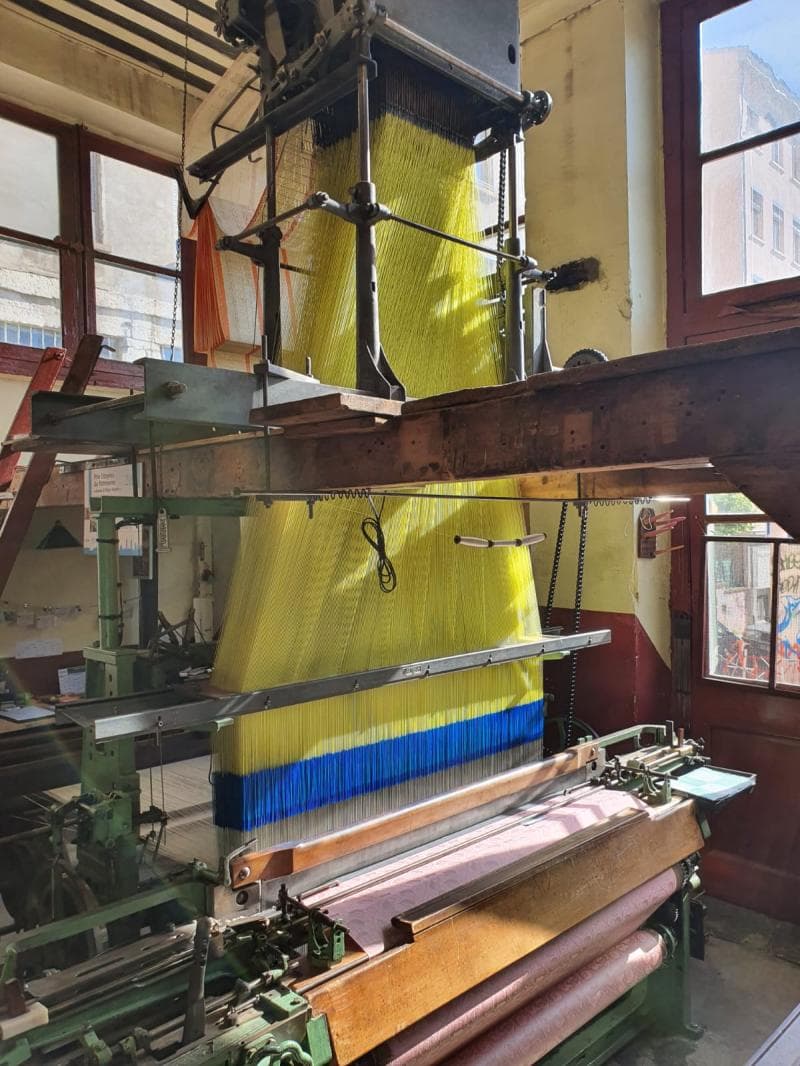
Discover Lyon's historic Silk Workshops in La Croix-Rousse, France. Explore the rich heritage of the canuts and their artistry.
Overview
Perched majestically above the confluence of the Rhône and Saône rivers, La Croix-Rousse in Lyon, France, is far more than just a picturesque neighborhood; it is a living testament to centuries of textile artistry. Nicknamed 'la colline qui travaille' (the hill that works), this district was once the industrious heart of Lyon's world-renowned silk industry. Here, within the storied 'Silk Workshops' (Ateliers de la Soie), the ingenious 'canuts' – Lyon's silk weavers – perfected their craft, transforming raw silk into exquisite fabrics that graced European courts and beyond. Today, these workshops offer a unique glimpse into a rich heritage, inviting visitors to step back in time and witness the delicate dance of threads and looms that shaped an entire city.
History & Cultural Background
Lyon's journey as the capital of silk began in the 16th century when King Francis I initiated silk production in the city. By the 18th and 19th centuries, the industry had flourished, with La Croix-Rousse emerging as its nerve center. The tall buildings of La Croix-Rousse were specifically designed to accommodate the imposing Jacquard looms, featuring high ceilings and large windows to maximize light for the intricate weaving process. The heart of this industry beat in the hands of the canuts, highly skilled artisans who worked tirelessly, often for 16 to 18 hours a day, producing masterpieces on their looms. Their social conditions, however, were precarious, leading to a series of significant worker uprisings known as the Canut Revolts in 1831, 1834, and 1848. These revolts, some of the first worker uprisings of the Industrial Revolution, profoundly influenced the fight for workers' rights and social justice. Integral to the district's fabric are the 'traboules,' hidden passageways crisscrossing through buildings. These were not just architectural curiosities; they served a vital purpose for the canuts, allowing them to transport delicate silk bales quickly and protectively, shielding them from weather and potential damage as they moved between workshops and merchants.
What Makes It Special
What sets the Silk Workshops of La Croix-Rousse apart is their unwavering commitment to preserving and actively demonstrating a living heritage. Unlike mere static museums, places like the Maison des Canuts and the workshops supported by Soierie Vivante continue to operate original Jacquard looms. Visitors can witness expert weavers demonstrating the intricate process of silk production, from the whirring of bobbins to the rhythmic clatter of the loom, bringing centuries-old techniques to life before their eyes. This hands-on, immersive experience offers an unparalleled understanding of the craftsmanship involved and the sheer dedication required to produce Lyon's celebrated silks. It is a rare opportunity to see traditional artisan skills maintained and passed down, ensuring the legacy of the canuts endures in the 21st century.
Stories, Fun Facts & Local Details
The canuts' legacy is rich with tales of innovation and resilience. Joseph Marie Jacquard's invention of the Jacquard loom in 1801, with its revolutionary punched-card system, is a fascinating precursor to modern computing, earning it the nickname 'the ancestor of computer language.' This mechanism dramatically simplified the creation of complex patterns, but its introduction also fueled some of the workers' struggles. The canuts' powerful motto, 'Vivre libre en travaillant ou mourir en combattant!' ('Live working or die fighting!'), encapsulates their fierce determination during the revolts, a cry for dignity and fair wages that resonated across Europe. The unique architecture of La Croix-Rousse, with its exceptionally high ceilings and mezzanine levels in the workshops, was specifically adapted to house these towering Jacquard looms, which could stand up to four meters tall. These 'canut buildings' also featured large windows to let in ample natural light, crucial for the meticulous work of weaving. The traboules, while practical for silk transport, also became secret passages during the canut uprisings, allowing workers to move discreetly through the district.
Visitor Perspective
Visiting the Silk Workshops of La Croix-Rousse today is an enriching journey into Lyon's soul. Travelers can begin their exploration at the Maison des Canuts, a workshop-museum that provides comprehensive insight into the history of silk, the lives of the canuts, and live weaving demonstrations on traditional looms. Another excellent option is Soierie Vivante, an association dedicated to preserving two authentic canut workshops, offering guided tours and demonstrations that vividly portray 19th-century weaving conditions. Exploring the traboules of La Croix-Rousse adds another layer of discovery, connecting visitors physically to the paths the canuts once trod. These experiences offer more than just historical facts; they provide a profound connection to the ingenuity, artistry, and struggles of the people who made Lyon the silk capital of the world. It's a chance to touch, see, and hear the heritage of silk weaving, leaving with a deeper appreciation for this delicate art and its enduring legacy.
Coordinates: 4.8232, 45.7743
View on Google Maps💬 How Travelers Describe This Place
Based on community votes
Beautiful
998Interesting
903Unique
481Photogenic
458Must See
92
Traveler Stories
Discover memorable experiences shared by travelers who have visited this place.
No traveler stories yet.
Be the first traveler to share what made this place memorable.

Tour
By
Spot
Discover amazing places around the world. Your journey starts here.
Explore
© 2026 TourBySpot. All rights reserved.