Traboules Network
Lyon, France
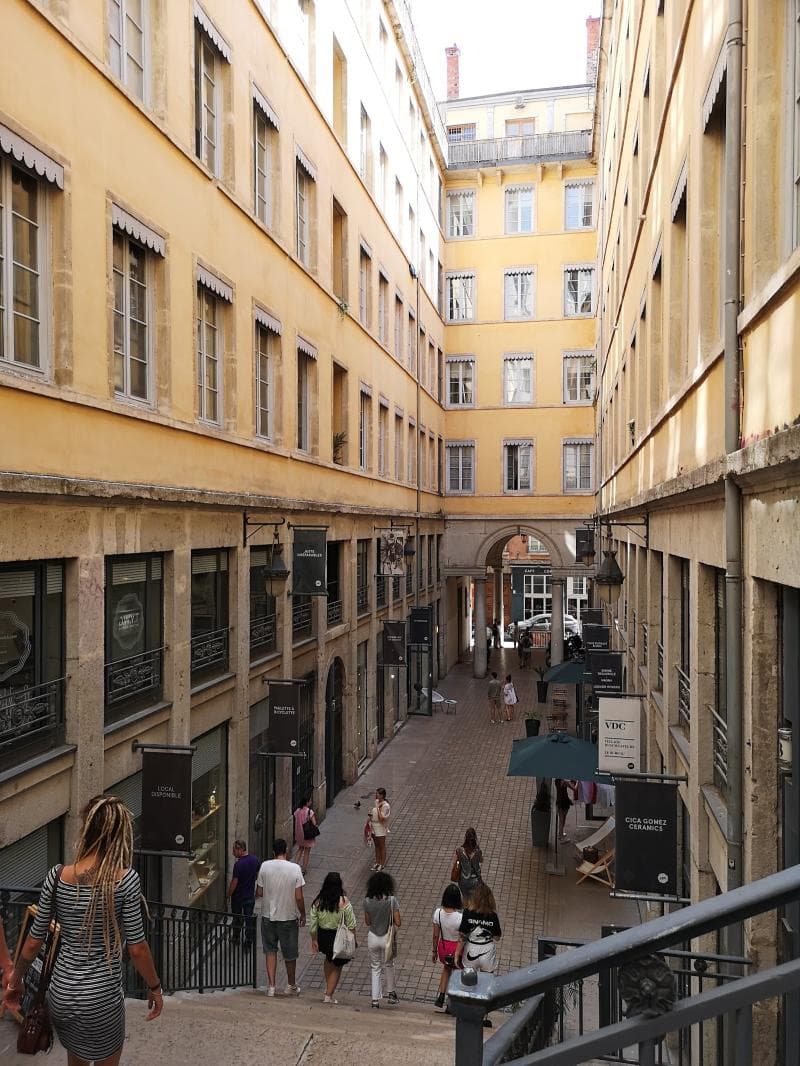
Explore Lyon's Traboules Network in La Croix-Rousse, France – hidden passages with a rich history of silk workers and WWII resistance.
Overview
Nestled within the vibrant district of La Croix-Rousse in Lyon, France, the Traboules Network is a captivating system of hidden covered passageways that offer a unique journey through the city's rich past. The word 'traboule' originates from the Latin 'transambulare', meaning 'to pass through', perfectly describing their function as shortcuts connecting streets through one or more buildings. While traboules are also found in Vieux Lyon, those in La Croix-Rousse are often characterized by their longer, more utilitarian design, reflecting the area's industrious history. This remarkable network is an integral part of Lyon's UNESCO World Heritage Site, inviting visitors to uncover secrets around every corner.
Lyon is home to an estimated 400 to 500 traboules, though only about 40 to 80 of these fascinating passages are publicly accessible today. Exploring them provides an unparalleled opportunity to delve into the heart of Lyonnaise culture and witness the architectural ingenuity that has shaped the city over centuries.
History & Cultural Background
The origins of Lyon's traboules can be traced back to the 4th century. During this period, inhabitants, facing a lack of accessible water, moved closer to the Saône River and built these passageways to quickly reach fresh water. Their significance truly blossomed during the Renaissance and the 19th-century silk trade boom. Known as 'Canuts', Lyon's silk workers utilized these covered routes to transport their delicate and precious fabrics between workshops and markets, shielding them from adverse weather and dirt.
The traboules gained further historical prominence during the Canut Revolts of the 1830s. These were significant worker uprisings where silk weavers, demanding better wages and working conditions, used the network to navigate the city stealthily, even taking control of parts of Lyon. Decades later, during World War II, the traboules served as a crucial lifeline for the French Resistance. Their hidden nature allowed resistance fighters to evade Nazi patrols, deliver weapons, and exchange vital messages without detection, playing a role in preventing total German control of the city.
In 1990, the City of Lyon established an agreement with building owners, contributing to the maintenance, cleaning, and lighting of the traboules in exchange for public access from 7 am to 7 pm, ensuring this unique heritage remains open for exploration.
What Makes It Special
What truly sets the Traboules Network apart is its blend of historical utility and architectural beauty. Each traboule offers a unique experience, featuring diverse architectural elements such as spiral staircases, grand vaulted ceilings, and intricate Renaissance arches. They are not merely passages but often open into charming courtyards, some of which are so beautiful they've been dubbed 'miraboules', a term coined for pleasing, non-through courtyards.
One of the most renowned traboules in La Croix-Rousse is the 'Cour des Voraces'. Famous for its impressive six-story staircase – one of the oldest in the city – this passage became a sanctuary for silk workers during the Canut revolts and houses the oldest reinforced concrete stairwell in Lyon. These passageways allow you to move not just between streets, but often between different levels of the Croix-Rousse hill, revealing unexpected views and connections. They represent a living testament to Lyon's evolution, from a Roman settlement to a center of the silk trade and a stronghold of resistance, making them profound cultural landmarks.
Stories, Fun Facts & Local Details
La Croix-Rousse itself carries the affectionate nickname 'la colline qui travaille' (the working hill), a nod to its industrious past as the heart of the silk weaving industry, in contrast to Fourvière's 'colline qui prie' (the praying hill). It's said that to be considered a 'true Lyonnais', one must possess a working knowledge of the traboules, highlighting their deep integration into the local identity. Finding them can feel like a delightful treasure hunt, with publicly accessible traboules often marked by shield-shaped bronze plaques in Vieux Lyon or a distinctive lion's head on a blue background in Croix-Rousse.
The clandestine nature of these passages fostered a sense of community and secrecy, particularly during times of rebellion and war. This rich history means every step through a traboule whispers tales of revolutionary fervor and quiet heroism, transforming a simple shortcut into a profound historical experience.
Visitor Perspective
For those eager to explore the Traboules Network, several considerations will enhance your visit. Most publicly accessible traboules are open daily, typically from 7 am to 7 pm. It's highly recommended to explore them respectfully, as many run through residential buildings where people live. Keeping quiet and avoiding littering ensures these historical passages remain enjoyable for everyone and that residents continue to keep them open.
You can embark on a self-guided adventure, treating the search for entrances as a fascinating puzzle, or opt for a guided tour that provides in-depth historical context and anecdotes. Wearing comfortable walking shoes is advisable, as navigating the network involves varied terrain and staircases. Many visitors find that exploring in the morning offers an optimal experience, as passages are generally open and quieter. Look for the identifying plaques at entrances to confirm public access and prepare to be transported to another era with each hidden doorway you discover.
Coordinates: 4.82874, 45.77664
View on Google Maps💬 How Travelers Describe This Place
Based on community votes
Photogenic
1.0kUnique
869Must See
416Interesting
309Beautiful
33
Traveler Stories
Discover memorable experiences shared by travelers who have visited this place.
No traveler stories yet.
Be the first traveler to share what made this place memorable.

Tour
By
Spot
Discover amazing places around the world. Your journey starts here.
Explore
© 2026 TourBySpot. All rights reserved.