Kosovo Museum
Pristina, Kosovo
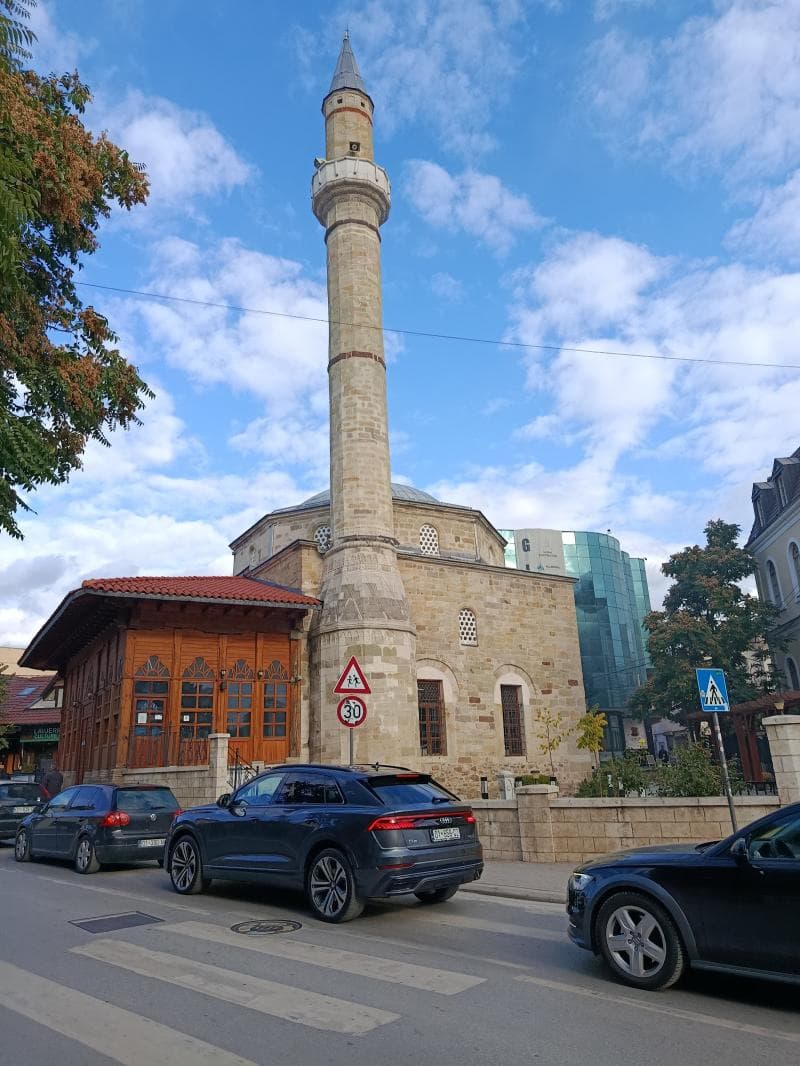
Explore the Kosovo Museum in Pristina, Kosovo, the largest and oldest institution safeguarding the nation's rich archaeological and ethnological heritage.
Overview
The Kosovo Museum, often referred to as the National Museum of Kosovo, stands as a pivotal institution in Pristina, preserving and presenting the rich tapestry of the region's heritage. Established in 1949 by Yugoslav authorities, it holds the distinction of being the oldest and largest cultural heritage institution in Kosovo. Housed within a grand Austro-Hungarian style building, originally constructed in 1889 as a military command center, its ochre-painted facade hints at the stories held within its walls. More than just a repository of objects, the museum offers a profound journey through time, from prehistoric civilizations to the modern era, reflecting the diverse influences that have shaped this vibrant land.
The museum complex extends beyond its main building, encompassing the captivating Emin Gjiku House Complex, which serves as an Ethnological Museum, and an outdoor Archaeological Park, or Lapidarium. Together, these sites form a comprehensive narrative, inviting visitors to delve into Kosovo's archaeological, ethnological, historical, and even natural scientific collections. With an impressive collection estimated at around 30,000 to 50,000 exhibits, the Kosovo Museum is an essential stop for anyone seeking to understand the soul of this young nation.
History & Cultural Background
The history of the Kosovo Museum is intricately woven with the broader historical currents of the Balkans. Its establishment in 1949 marked a significant step in formalizing the preservation of movable heritage across the territory. The main museum building itself is a historical artifact, an impressive 19th-century structure that once served as a high military command headquarters before being repurposed for its current role. This architectural choice underscores the region's complex past, having been influenced by various empires and cultures over centuries.
Throughout its existence, the museum has diligently worked to collect and safeguard artifacts that tell the story of Kosovo's continuous habitation, from ancient Illyrian and Dardanian tribes through the Roman, Byzantine, and Ottoman periods, right up to the modern day. However, its journey has not been without challenges. A poignant aspect of its history is the displacement of many prehistoric and archaeological objects, which were taken to Belgrade before the 1998 conflict and have yet to be fully returned. The ongoing efforts to repatriate these crucial pieces of Kosovo's heritage highlight the museum's vital role not just in displaying history, but in actively reclaiming it.
What Makes It Special
What truly sets the Kosovo Museum apart is its role as the primary custodian of Kosovo's national identity and memory. It offers an unparalleled opportunity to trace the deep roots of civilization in the region, showcasing artifacts that are thousands of years old. Its archaeological department, in particular, is a treasure trove, featuring finds from the Neolithic, Illyrian, Dardanian, and Roman periods.
A crown jewel of its collection is the 'Goddess on the Throne' (Hyjnesha ne Fron), a remarkable 6000-year-old Neolithic terracotta figurine discovered in 1956. This iconic artifact has become a powerful symbol of Pristina and, indeed, of Kosovo itself, representing the enduring legacy of ancient cultures that thrived here. Beyond the ancient, the museum also dedicates significant space to the more recent and often tumultuous history, including the Ottoman period and the struggles leading to Kosovo's independence, offering a nuanced understanding of the challenges and triumphs that have shaped modern Kosovo.
Stories, Fun Facts & Local Details
Stepping into the Kosovo Museum is like opening a multi-chapter book on a land's enduring spirit. Imagine the hands that crafted the intricate Neolithic pottery, or the daily lives reflected in the traditional tools of the ethnological exhibits. One of the most compelling stories revolves around the 'Goddess on the Throne.' This small, yet profoundly significant, terracotta figure is not just an archaeological find; it's a testament to the artistic and spiritual life of a people who lived here six millennia ago. Its discovery and eventual return to Pristina in 2002 symbolize the nation's journey of rediscovery and cultural pride.
Another fascinating aspect is the Emin Gjiku House Complex, the Ethnological Museum. This part of the museum is housed in beautifully preserved Ottoman-era buildings dating from the 18th and 19th centuries. Walking through its rooms, which are furnished with traditional items, you can almost hear the echoes of past conversations and feel the rhythms of daily life. It's a vivid, immersive experience that showcases the customs, crafts, and social structures of Albanian life under Ottoman rule, highlighting intricate details like wedding rituals and traditional clothing. This separate, yet integral, part of the museum offers a unique, intimate look into a distinct cultural period.
Visitor Perspective
For the curious traveler, the Kosovo Museum offers a free and enriching cultural experience in the heart of Pristina. While some reviews mention that the main building's exhibition space might feel modest or that some historical periods could benefit from more detailed presentations, particularly concerning the Ottoman era, the sheer breadth of artifacts provides a solid foundation for understanding Kosovo's long and complex history.
The archaeological hall with its prehistoric treasures, especially the renowned 'Goddess on the Throne,' is consistently highlighted as a must-see. Meanwhile, the Ethnological Museum, housed in the Emin Gjiku Complex, is often lauded for its immersive quality, allowing visitors to step into a bygone era and appreciate traditional Kosovar life and architecture. Exploring the outdoor Archaeological Park, with its ancient stelae and architectural fragments, further enhances the journey through time. The museum's central location makes it easily accessible, allowing for a deep dive into the historical and cultural narrative of Kosovo.
Coordinates: 21.16626, 42.66568
View on Google Maps💬 How Travelers Describe This Place
Based on community votes
Photogenic
964Unique
926Beautiful
646Interesting
482Must See
380
Traveler Stories
Discover memorable experiences shared by travelers who have visited this place.
No traveler stories yet.
Be the first traveler to share what made this place memorable.
Things to see at Kosovo Museum



Tour
By
Spot
Discover amazing places around the world. Your journey starts here.
Explore
© 2026 TourBySpot. All rights reserved.