Cultural Displays
Pristina, Kosovo
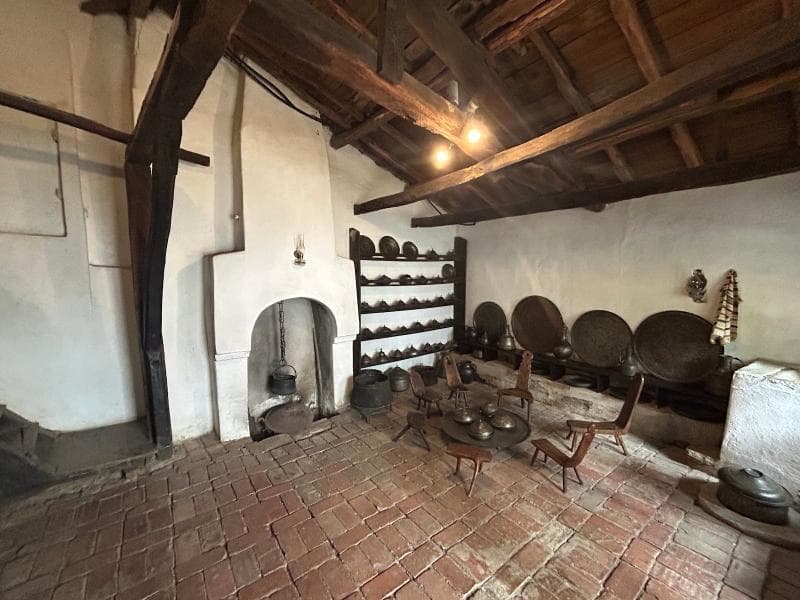
Explore the rich cultural displays at the Kosovo Museum in Pristina, covering millennia of history, from Neolithic artifacts to traditional Kosovar life.
Overview
Stepping into the Kosovo Museum in Pristina is like embarking on a captivating journey through time, revealing the rich tapestry of Kosovo's past. Established in 1949, this national museum serves as the primary guardian of the region's movable heritage, housing an extensive collection that spans from prehistoric eras to contemporary times. Housed within a grand Austro-Hungarian-style building dating back to 1889, the museum itself is a historical landmark, originally serving as a military headquarters. The museum's 'Cultural Displays' are not a single exhibition but rather a comprehensive presentation of Kosovo's archaeological, ethnological, and historical narratives, offering visitors a profound understanding of its diverse cultural identity.
The main museum building showcases archaeological and historical artifacts, while the Ethnological Museum, located in the separate Emin Gjiku Complex, delves into traditional Kosovar life. Together, these sections create a vibrant cultural display that illuminates the customs, beliefs, and daily lives of the people who have shaped this land over millennia.
History & Cultural Background
The Kosovo Museum was founded by Yugoslav authorities with the explicit goal of preserving, restoring, and presenting Kosovo's cultural heritage. Its establishment marked a significant effort to safeguard the tangible remnants of civilizations that have thrived in this strategically important region. The museum's collections reflect a complex history influenced by Illyrian, Dardanian, Roman, Byzantine, and Ottoman periods, each leaving an indelible mark on the local culture. For instance, the archaeological section extensively covers the Illyrian, Dardanian, and Roman eras, showcasing the antiquity of human settlement in Kosovo. The Ethnological Museum, in particular, offers insights into traditional Albanian life during the Ottoman period, exploring themes like birth, life, death, and spiritual heritage.
Despite challenges, including the displacement of many artifacts to Belgrade before the 1998-1999 conflict, the museum continues its mission to tell Kosovo's story. It actively supports archaeological excavations and scientific research, continuously enriching its understanding and presentation of Kosovo's past.
What Makes It Special
What truly makes the cultural displays at the Kosovo Museum special is their ability to weave together a narrative that is both ancient and deeply personal. The museum's crown jewel is undoubtedly the 'Goddess on the Throne' (Hyjnesha në Fron), a 6000-year-old Neolithic terracotta figurine that has become a powerful symbol of Pristina and Kosovo's enduring heritage. This delicate artifact, discovered in Tjerrtorja in 1956, speaks volumes about the advanced cultures that existed here in prehistory.
Beyond this iconic piece, the museum's commitment to showcasing its ethnological heritage in a separate, beautifully preserved 18th- and 19th-century Ottoman-era housing complex—the Emin Gjiku Complex—provides an immersive cultural experience. Here, visitors can explore traditional architecture, costumes, tools, and objects that illustrate the daily life and rituals of rural Kosovar communities, highlighting the craftsmanship and oral traditions that define the region.
Stories, Fun Facts & Local Details
Imagine wandering through rooms filled with artifacts that have witnessed thousands of years of history. The 'Goddess on the Throne' isn't just an object; it's a silent storyteller, hinting at the spiritual beliefs and societal structures of Neolithic peoples. This figurine, with its distinctive posture, suggests a reverence for female deities and fertility, a concept echoed in many ancient cultures. The fact that this ancient treasure was taken to Belgrade and later returned to Pristina in 2002 adds a layer of modern history to its already profound narrative.
The Ethnological Museum offers another kind of storytelling, detailing the life cycle from birth to death within Albanian traditions from the Ottoman period. You might see intricate traditional clothing, often passed down through generations, each stitch a testament to family legacy and local identity. The layout of the Emin Gjiku Complex itself, with its traditional architecture, allows you to visualize how families lived and interacted, making the past feel incredibly tangible. It's a place where you can almost hear the echoes of daily life, the music, and the conversations of centuries past.
Visitor Perspective
For the curious traveler, the cultural displays at the Kosovo Museum offer an authentic and educational experience. The main museum building, with its archaeological and historical exhibits, provides a solid foundation in Kosovo's ancient past, while the Ethnological Museum adds depth with its focus on recent centuries and traditional life.
Prepare to be moved by the sheer breadth of history represented, from the earliest human settlements to the challenges and triumphs of more recent times. The museum provides English-language texts and, sometimes, guided tours, making its rich content accessible to international visitors. Allow ample time to explore both the main building and the Emin Gjiku Complex, as each offers a distinct yet complementary window into the soul of Kosovo. It's an opportunity to connect with a vibrant cultural heritage that has persevered through countless historical shifts, offering a truly meaningful perspective on this dynamic nation.
Coordinates: 21.1662, 42.6657
View on Google Maps💬 How Travelers Describe This Place
Based on community votes
Beautiful
948Unique
913Interesting
337Must See
196Photogenic
94
Traveler Stories
Discover memorable experiences shared by travelers who have visited this place.
No traveler stories yet.
Be the first traveler to share what made this place memorable.

Tour
By
Spot
Discover amazing places around the world. Your journey starts here.
Explore
© 2026 TourBySpot. All rights reserved.