Ancient Relics
Pristina, Kosovo
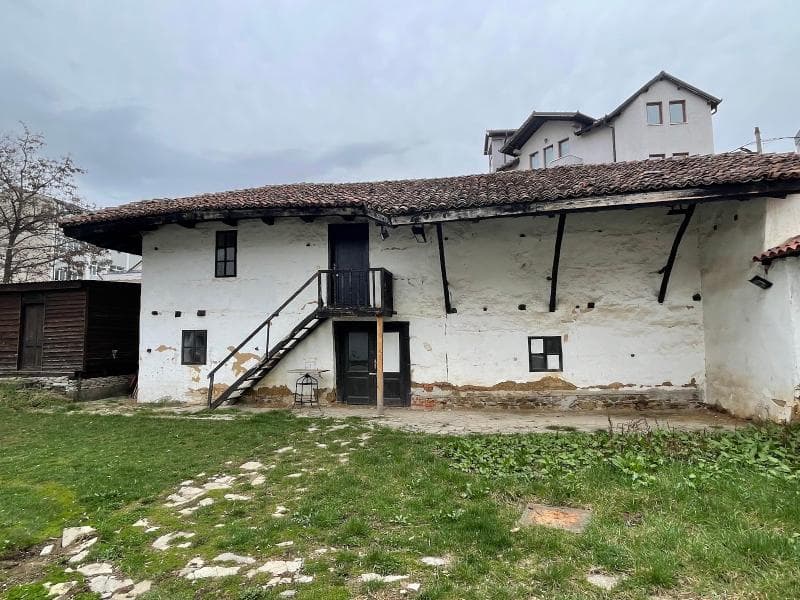
Explore Ancient Relics at Kosovo Museum in Pristina, Kosovo. Discover 6000-year-old artifacts, including the Goddess on a Throne, from Neolithic to Roman times.
Overview
Step into the heart of Kosovo's rich past by exploring the Ancient Relics within the Kosovo Museum, located in the vibrant capital city of Pristina. This revered institution serves as the nation's primary vault of cultural heritage, offering a captivating journey through millennia of human history in the region. The Ancient Relics section is an essential stop for any traveler keen to understand the deep roots of Kosovo, showcasing archaeological finds that span from the Neolithic period to the Roman and Byzantine eras. Here, amidst carefully preserved artifacts, visitors can witness the tangible evidence of ancient civilizations that once thrived in this corner of the Balkans, providing a profound connection to the land's enduring narrative.
The museum itself, housed in a magnificent Austro-Hungarian building, instantly sets a tone of historical grandeur. Beyond its impressive facade, the Ancient Relics collection unveils a treasure trove of archaeological wonders, including pottery, tools, jewelry, and sculptures. A highlight for many is the outdoor Archaeological Park, or Lapidarium, where larger stone monuments and architectural fragments invite contemplation of past architectural achievements and societal structures.
History & Cultural Background
The Kosovo Museum, established in 1949, occupies a building with its own compelling history, dating back to 1889 when it was constructed by the Austrians for the Turkish Army. This architectural gem, originally serving military purposes, has since transformed into a guardian of Kosovo's cultural memory. The museum's archaeological department systematically preserves and presents movable heritage, charting a course through the distinct periods that shaped the region.
The cultural tapestry revealed by the ancient relics is incredibly diverse, encompassing the prehistoric settlements of the Neolithic age, the distinct cultures of the Illyrians and Dardanians, and the lasting influence of the Roman and Byzantine Empires. These artifacts paint a vivid picture of the lives, beliefs, and artistic expressions of the peoples who inhabited Kosovo thousands of years ago, offering insights into their daily existence, trade, and spiritual practices. The collection is a testament to the region's continuous habitation and its significance as a crossroads of civilizations throughout antiquity.
What Makes It Special
The true gem of the Ancient Relics collection, and indeed the entire museum, is the iconic 'Goddess on a Throne' (Hyjnesha ne Fron). This remarkable 6000-year-old Neolithic terracotta figurine, discovered in 1956 in Tjerrtoria, has become an enduring symbol not only of the museum but of Kosovo itself. Her serene presence and ancient origins evoke a deep sense of connection to the earliest inhabitants of the land, representing a powerful link to its prehistoric identity. The story of her return to Pristina in 2002 after being held elsewhere adds another layer of significance to her existence within the museum walls.
Beyond the Goddess, the special character of this collection lies in its comprehensive portrayal of Kosovo's ancient past. Visitors can trace the evolution of craftsmanship through Illyrian jewelry and Roman mosaics, or decipher snippets of medieval life from ancient inscriptions. The outdoor Lapidarium further enhances this experience, transforming the museum grounds into an open-air exhibition of weighty stone artifacts, from altars to grave markers, each whispering tales of forgotten rituals and revered ancestors.
Stories, Fun Facts & Local Details
The 'Goddess on a Throne' has a fascinating story of its own. After its discovery, it gained international recognition, yet its journey to its permanent home was not straightforward. Its return to Pristina in 2002 was a moment of national pride, solidifying its place as a cherished emblem. This artifact symbolizes the resilience and cultural reclamation of Kosovo, serving as a powerful reminder of its deep historical roots.
A poignant detail that adds to the narrative of the Ancient Relics is the fact that a substantial number of prehistoric objects unearthed in Kosovo were transferred to Belgrade before the 1998-1999 conflict. Negotiations for their return are ongoing, highlighting the continuous efforts to reassemble Kosovo's scattered heritage and present a complete picture of its past. The museum also actively supports archaeological excavations and scientific research, continuously enriching its collections with new discoveries that further illuminate the ancient history of the region.
Visitor Perspective
For the curious traveler, a visit to the Ancient Relics at the Kosovo Museum is an immersive educational experience. The exhibits are thoughtfully curated, often accompanied by English-language texts, ensuring that the historical narratives are accessible and engaging. Walking through the halls, one can feel a tangible connection to the ancient peoples who once lived on this land, their lives illuminated by the objects they left behind. The free admission makes this profound journey through time accessible to all.
It's more than just viewing old objects; it's about understanding the foundational layers of Kosovo's identity. From the sophisticated artistry of Neolithic figurines to the remnants of Roman administrative prowess, each artifact contributes to a greater understanding of the region's continuous development and its place in the broader currents of European history. This modest yet deeply informative collection offers a unique and enriching perspective on Kosovo's vibrant past.
Coordinates: 21.1662725, 42.6657456
View on Google Maps💬 How Travelers Describe This Place
Based on community votes
Interesting
703Beautiful
521Photogenic
291Must See
157Unique
28
Traveler Stories
Discover memorable experiences shared by travelers who have visited this place.
No traveler stories yet.
Be the first traveler to share what made this place memorable.

Tour
By
Spot
Discover amazing places around the world. Your journey starts here.
Explore
© 2026 TourBySpot. All rights reserved.