Ethnographic Exhibits
Pristina, Kosovo
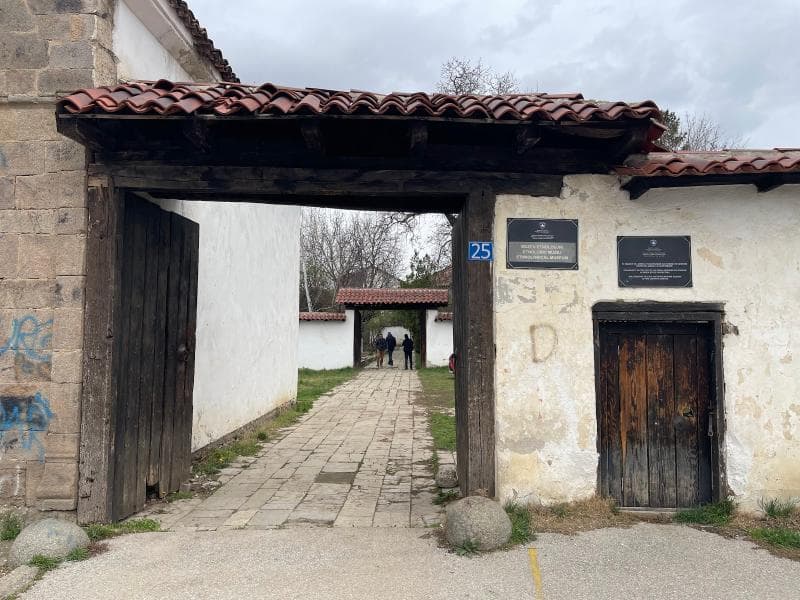
Explore the Ethnographic Exhibits at the Emin Gjiku Complex in Pristina, Kosovo. Discover traditional life, customs, and rich cultural heritage from the Ottoman period to the 20th century.
Overview
Stepping into the Ethnographic Exhibits, housed within the remarkable Emin Gjiku Complex in Pristina, Kosovo, is like walking through a living tapestry of time. This exceptional museum, an integral part of the broader Kosovo Museum institution, isn't just a collection of artifacts; it's an immersive journey into the traditional life and rich cultural heritage of Kosovo from the 15th to the early 20th century. Here, in the heart of the city's old town, visitors can explore beautifully preserved Ottoman-era houses, each telling stories of generations past. [8, 10, 13, 16, 23, 26]
The exhibits are meticulously curated to showcase the daily routines, social structures, and profound customs that shaped Kosovar society. From intricate traditional costumes and household tools to musical instruments and objects used in ancient rituals, every item offers a glimpse into a bygone era. The complex itself, with its traditional architecture, courtyards, and gardens, provides an authentic backdrop, transporting you to the 18th and 19th centuries and bringing the past vividly to life. [10, 13, 16, 26]
History & Cultural Background
The story of the Ethnographic Exhibits begins with the Emin Gjiku Complex itself, a cultural monument dating back to the 18th century. These elegant Ottoman-style stone houses originally belonged to the prominent Emin Gjinolli family. [7, 8, 13, 14, 16] For many years, the complex had various uses, including serving as a nature museum until 1990. However, following extensive internationally funded conservation work, it was thoughtfully transformed into an ethnological museum, officially opening its doors in 2002 or 2006, depending on the source. [8, 14, 23, 34] This transformation marked a significant step in safeguarding and presenting Kosovo's rich, often complex, cultural narrative. [10]
Kosovo's culture is deeply rooted in traditions that emphasize family, hospitality, and a strong sense of community. Historically, a patriarchal tradition prevailed, with large extended families often living together. [15, 17, 18, 27] These foundational aspects of life are clearly reflected in the museum's collections. The region's strategic location in the Balkans has also meant a blend of diverse cultural spheres, particularly Western and Eastern influences, with the Ottoman period leaving a profound mark on traditions, architecture, and language. [15, 19, 27]
What Makes It Special
What truly sets these Ethnographic Exhibits apart is their authentic setting. Unlike many museums housed in purpose-built structures, this collection is presented within the very buildings that embody the history it seeks to portray. The Emin Gjiku Complex is a rare and beautifully preserved example of 18th-century Ottoman residential architecture in Pristina. [10, 13, 16] This architectural authenticity creates an unparalleled immersive experience, allowing visitors to feel a genuine connection to the lives of people from centuries ago. [10, 26]
The exhibits themselves are not merely static displays; they are arranged to illustrate the 'circle of life' – covering themes such as birth, life, marriage, and death, alongside the intangible heritage that binds communities. [14] This thematic approach provides a holistic understanding of traditional Kosovar society. The inclusion of traditional clothing, meticulously crafted filigree jewelry, household items, agricultural tools, and musical instruments like the single-stringed 'lahuta' or the two-stringed 'çifteli', showcases the intricate craftsmanship and ingenuity of the local people. [3, 8, 13, 18]
Stories, Fun Facts & Local Details
Imagine the rustle of traditional bridal clothes, the echoes of the 'lahuta' played during a celebration, or the scent of bread baking in a 'çerep' – an ancient pottery art form used by housewives. [8, 18] The museum brings these sensory details to life. You can see the iconic white felt 'plis' hat, a symbol of Albanian tradition, and learn about the diverse attire from various regions and ethnic groups, including Albanian, Turkish, and Slavic communities, highlighting distinctions between wedding, festive, and everyday wear. [7, 13, 16]
A fun fact is that the Emin Gjiku Complex was named after Emin Gjinolli, whose nickname was 'Eminçik,' meaning 'little man' in Turkish. [8] The museum also delves into the spiritual and cultural rituals that shaped lives, explaining customs around life events and showcasing the blending of Islamic, Christian, and folk beliefs that are characteristic of Kosovo's rich tapestry. [13, 18] Knowledgeable local guides are often available, offering deeper insights and personal anecdotes that enrich the experience, making the artifacts truly resonate with visitors. [7, 12, 34]
Visitor Perspective
For a curious traveler, visiting the Ethnographic Exhibits is a deeply enriching experience. It offers a calm respite from the bustling city, allowing for quiet contemplation amidst historical beauty. You'll gain a profound appreciation for the resilience, artistry, and community spirit that have defined Kosovar culture for centuries. The blend of cultural artifacts within the historic, beautifully preserved Ottoman complex creates an immersive atmosphere, providing a unique window into the daily lives of past inhabitants. [10, 13, 26]
The museum serves as a vital space for education and reflection, offering clear explanations and historical context that are often available in English. [7, 13] It's a place to understand how traditions are preserved, how daily life unfolded, and how cultural identity is maintained. Expect to spend around 1-2 hours exploring the complex, allowing enough time to absorb the details of each exhibit and the peaceful ambiance of the courtyards. It's a compelling journey through Kosovo's soul, revealing the enduring legacy of its people and their customs. [10, 25, 26]
Coordinates: 21.1669, 42.6669
View on Google Maps💬 How Travelers Describe This Place
Based on community votes
Interesting
926Unique
646Photogenic
482Beautiful
380Must See
291
Traveler Stories
Discover memorable experiences shared by travelers who have visited this place.
No traveler stories yet.
Be the first traveler to share what made this place memorable.

Tour
By
Spot
Discover amazing places around the world. Your journey starts here.
Explore
© 2026 TourBySpot. All rights reserved.