Historical Galleries
Pristina, Kosovo
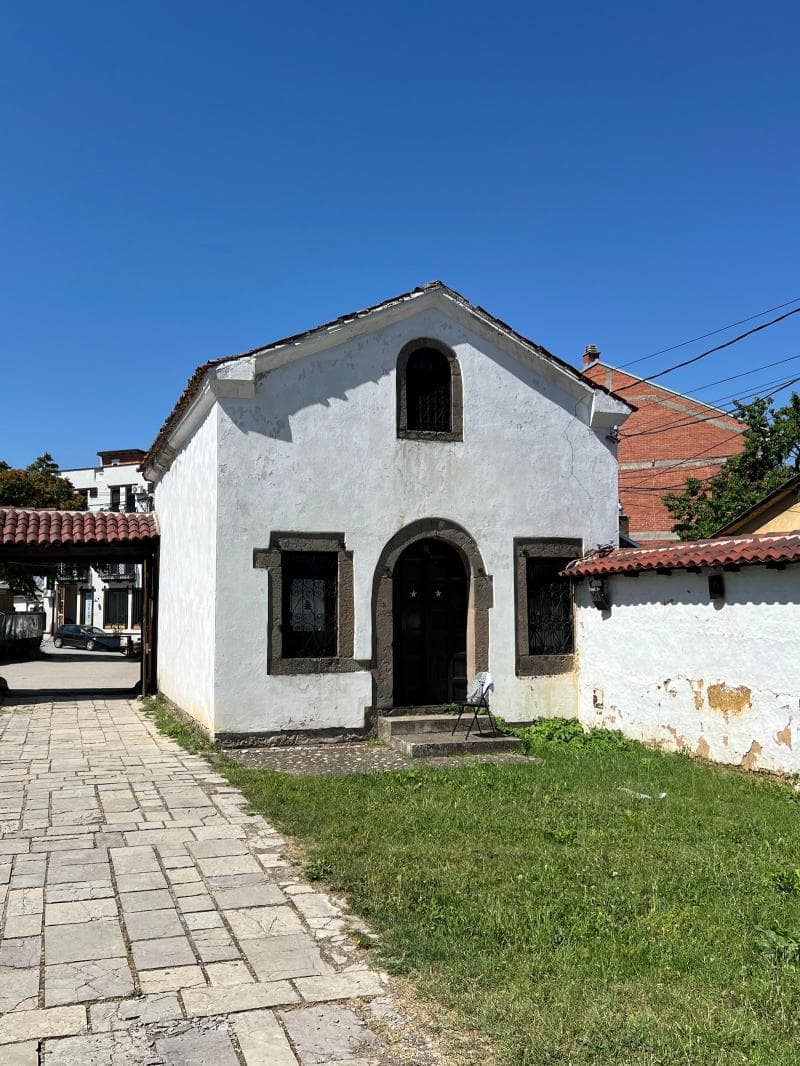
Explore the Historical Galleries at the Kosovo Museum in Pristina, tracing the rich history of Kosovo from prehistory to modern times.
Overview
Nestled in the heart of Pristina, Kosovo, the Kosovo Museum stands as a prominent guardian of the nation's rich and often complex past. Housed in a captivating Austro-Hungarian style building dating back to 1889, the museum itself is a historical artifact, originally serving as a military command center. Established in 1949, it has evolved into the largest and oldest cultural institution in Kosovo, dedicated to preserving, restoring, and presenting the country's movable heritage. While the museum encompasses various departments, including archaeology, ethnology, and nature, its historical exhibits, often referred to as the 'Historical Galleries', offer a profound journey through the epochs that shaped this land and its people.
A visit to these galleries is more than just viewing artifacts; it's an immersion into the chronological tapestry of Kosovo, from its earliest human settlements to its contemporary narrative. The museum's strategic location in Pristina's old town, near other significant historical sites, makes it an accessible and essential stop for any traveler keen to understand the foundations of Kosovar identity. Admission is free, inviting curious minds to delve into a collection that meticulously details the region's enduring spirit and cultural evolution.
History & Cultural Background
The story of the Kosovo Museum begins in 1949, when it was founded by Yugoslav authorities with the explicit goal of centralizing cultural preservation efforts in the region. The choice of its headquarters, a striking 19th-century Austro-Hungarian building, adds a layer of historical significance, as the edifice itself bears witness to different administrative eras. Originally a military barracks, its solid architecture and strategic location underscored its importance even before it became a repository for national treasures.
The historical galleries within the museum are designed to guide visitors through Kosovo's extensive timeline. The exhibits commence with prehistoric periods, showcasing early human presence and significant archaeological finds that speak to ancient civilizations. Moving forward, the narrative elaborates on the Illyrian, Dardanian, and Roman periods, revealing the deep roots of settlement and interaction within this geographic crossroads. Subsequent displays chronicle the Byzantine and Ottoman eras, highlighting the profound cultural, social, and political transformations that left an indelible mark on the region. The museum's collection also extends to more recent history, providing context to the 20th century's tumultuous events and the formation of modern Kosovo. This comprehensive historical journey emphasizes the continuous human story in Kosovo, reflecting a heritage shaped by diverse influences and resilient communities.
What Makes It Special
What truly sets the Kosovo Museum's historical galleries apart is their comprehensive approach to storytelling. Instead of merely presenting artifacts, the museum weaves a compelling narrative that connects millennia of human activity in Kosovo. It acts as a vital educational institution, illuminating the various layers of civilization that have thrived here and providing crucial context for understanding the contemporary Kosovar landscape. The careful curation ensures that each period, from the Neolithic to the recent past, receives its due attention, offering a nuanced perspective on the region's development.
The museum serves as a powerful symbol of national identity and cultural continuity. For a country with a relatively young independent status, its historical collections are instrumental in asserting a distinct heritage and fostering a sense of shared past. The presence of English-language texts alongside exhibits makes this rich history accessible to a global audience, inviting international visitors to appreciate Kosovo's unique place in European history. Furthermore, the museum's ongoing efforts to reclaim artifacts displaced during past conflicts highlight its dedication to a complete and accurate historical representation, underscoring its role not just as a museum, but as an advocate for its cultural patrimony.
Stories, Fun Facts & Local Details
Perhaps the most celebrated artifact within the broader museum collection, and a testament to Kosovo's ancient past, is the 'Goddess on the Throne'. This diminutive Neolithic terracotta figurine, dating back an astonishing 6,000 years, was unearthed in Pristina's suburbs in the 1950s and has become a powerful emblem for the city and the entire nation. Its serene yet commanding presence offers a tangible link to the earliest inhabitants of this land, making it a focal point for visitors and a source of national pride.
The museum building itself holds fascinating stories. Its mustard-yellow or ochre-painted facade, a classic example of Austro-Hungarian architecture, offers a striking visual contrast to some of the surrounding urban landscape. Imagine the lives lived within its walls when it served as a military headquarters, long before it became a sanctuary for historical treasures. Another poignant detail is the ongoing quest to repatriate hundreds of archaeological and ethnographic objects that were moved to Belgrade before the 1998-1999 conflict. This ongoing negotiation underscores the deep emotional and cultural value attributed to these historical pieces and the commitment to restoring Kosovo's complete historical narrative within its borders.
Visitor Perspective
Stepping into the historical galleries of the Kosovo Museum is like embarking on a journey through time, guided by the silent whispers of artifacts. The experience is designed to be informative and engaging, providing a clear progression through the ages. Visitors often appreciate the meticulous arrangement of exhibits and the descriptive panels that offer insights into each historical period. The atmosphere is one of quiet contemplation, allowing for an unhurried exploration of the past.
The sheer breadth of history covered, from ancient tools and pottery to intricate Ottoman relics, ensures that there is something to captivate every interest. While the focus is heavily on the factual presentation of history, the stories behind the artifacts evoke a sense of wonder and connection to the people who once held them. The opportunity to witness the 'Goddess on the Throne' firsthand, a symbol of such ancient heritage, is often a highlight. The museum offers a window into the soul of Kosovo, providing an invaluable resource for anyone seeking to understand its enduring legacy and vibrant cultural tapestry.
Coordinates: 21.11463279398828, 42.64185880749908
View on Google Maps💬 How Travelers Describe This Place
Based on community votes
Interesting
722Unique
698Must See
276Beautiful
126Photogenic
19
Traveler Stories
Discover memorable experiences shared by travelers who have visited this place.
No traveler stories yet.
Be the first traveler to share what made this place memorable.

Tour
By
Spot
Discover amazing places around the world. Your journey starts here.
Explore
© 2026 TourBySpot. All rights reserved.