Illyrian Artifacts
Pristina, Kosovo
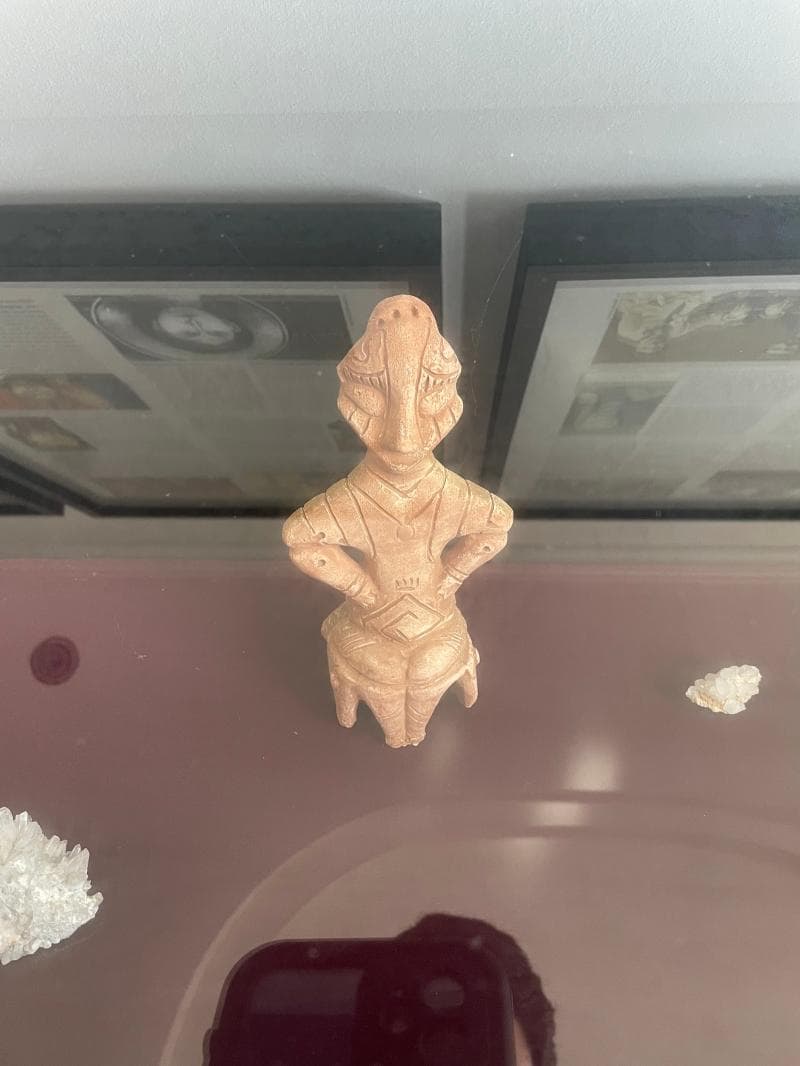
Discover ancient Illyrian artifacts at the Kosovo Museum in Pristina, Kosovo. Explore the rich history of Balkan civilization and unique cultural heritage.
Overview
Stepping into the Kosovo Museum in Pristina is like embarking on a profound journey through time, and at its heart lies the captivating collection of Illyrian artifacts. This significant sub-spot within the museum offers a unique window into the ancient peoples who inhabited the Western Balkans, revealing layers of history that predate Roman and Ottoman influences. The National Museum of Kosovo, often referred to as the Kosovo Museum, is housed in a striking 19th-century Austro-Hungarian building, originally constructed in 1889 as a military command center. It stands as a vital cultural vault safeguarding Kosovo's diverse heritage. Visitors can delve into an extensive archaeological exhibition that traces the region's story from prehistoric settlements through classical antiquity, with the Illyrian collection serving as a central and compelling highlight. Admission to the Kosovo Museum is free, making this invaluable historical insight accessible to all curious travelers.
History & Cultural Background
The history embodied by the Illyrian artifacts at the Kosovo Museum stretches back thousands of years, long before the museum itself was established by Yugoslav authorities in 1949. The archaeological collection spans vast epochs, including Neolithic figurines, Roman mosaics, medieval inscriptions, and, prominently, Illyrian jewelry. The Illyrians were a group of Indo-European-speaking people who inhabited the western Balkan Peninsula in ancient times, forming one of the three main Paleo-Balkan populations. Their presence in the region of modern-day Kosovo is well-documented, with the Dardani being a particularly significant Illyrian tribe. The Dardani developed a notable culture, characterized by urbanization and trade, rising to prominence between the 6th and 5th centuries BCE. The Illyrians emerged as a distinct ethnic group with a unique culture and art form during the 7th century BC, marking the beginning of the Iron Age. These artifacts serve as tangible links to a sophisticated culture that navigated the complexities of ancient trade, warfare, and daily life in the Balkans. The Albanian language is even thought to be derived from Illyrian, with genetic studies suggesting biological continuity between modern Albanians and Bronze Age Balkan populations.
What Makes It Special
The Illyrian collection's special allure lies in its remarkable ability to bring a rich, ancient civilization to life, offering a deep connection to Kosovo's foundational past. A true 'crown jewel' of the museum's collection is the 'Goddess on the Throne,' a 6000-year-old terracotta statue. Discovered in 1956 and returned to Pristina in 2002, this iconic artifact stands as a powerful testament to the region's deep prehistoric roots and impressive artistic expression. Beyond this singular piece, the exhibition showcases a wide array of Illyrian jewelry, pottery, and tools, illuminating the daily lives and craftsmanship of these ancient inhabitants. The art of the Illyrians often featured symbolic motifs, including swastikas, spirals, and solar symbols, hinting at a widespread and complex system of sun worship. These intricate details provide invaluable insights into their beliefs and worldview, making the collection uniquely informative and captivating.
Stories, Fun Facts & Local Details
The Illyrian artifacts in the Kosovo Museum tell compelling stories of a bygone era, bridging the distant past with contemporary cultural understanding. The 'Goddess on the Throne' is more than just an ancient figurine; it represents a deep spiritual tradition and is recognized as one of the most representative prehistoric figurines from Kosovo. Further insights into Illyrian spirituality come from their burial customs, which placed significant importance on the cult of the dead. Evidence from tumulus (mound) burials has unearthed artifacts such as weapons, ornaments, and clay vessels, reflecting a rich spectrum of their religious beliefs and societal structure. A fascinating connection to modern heritage can be observed in reliefs depicting funeral ceremonies, where women are shown wearing dresses resembling the Illyrian 'jublet'. This bell-shaped garment is thought to be an autochthonous dress, used since the Bronze period, and its traditional form is still practiced in some Albanian regions today, offering a living link to the ancient Illyrians. A poignant detail concerning the museum's collection is the fact that many prehistoric objects were moved to Belgrade before the 1998-1999 conflict, with hundreds of archaeological finds and ethnographic items yet to be returned. Some sources indicate as many as 1,200 artifacts were taken, a historical detail that underscores the challenges of cultural heritage preservation in the region.
Visitor Perspective
For the curious traveler, exploring the Illyrian artifacts at the Kosovo Museum offers a profound and educational connection to the ancient past of this vibrant region. As you navigate through the archaeological halls, you are guided through thousands of years of human endeavor, from the earliest settlements to the powerful Illyrian tribes who shaped the landscape. The comprehensive English-language texts accompanying the exhibits ensure a deeper understanding of each artifact's historical and cultural significance, making the experience accessible and enriching. It is an unparalleled opportunity to encounter the physical evidence of a civilization that laid crucial groundwork for later cultures, inviting reflection on the enduring resilience and rich heritage of Kosovo. The museum's setting in its historic 19th-century building adds another layer to the visit, providing a sense of place and continuity as you discover the roots of a nation.
Coordinates: 21.1662725, 42.6657456
View on Google Maps💬 How Travelers Describe This Place
Based on community votes
Photogenic
948Unique
595Beautiful
358Interesting
196Must See
19
Traveler Stories
Discover memorable experiences shared by travelers who have visited this place.
No traveler stories yet.
Be the first traveler to share what made this place memorable.

Tour
By
Spot
Discover amazing places around the world. Your journey starts here.
Explore
© 2026 TourBySpot. All rights reserved.