International Red Cross And Red Crescent Museum
Geneva, Switzerland
Explore the International Red Cross and Red Crescent Museum in Geneva, Switzerland, dedicated to humanitarian history and action.
Overview
Nestled in the heart of international Geneva, Switzerland, the International Red Cross and Red Crescent Museum stands as a compelling institution dedicated to exploring the history, current affairs, and profound challenges of humanitarian action. More than a traditional museum, it functions as a vibrant space for memory, creation, and debate, encouraging visitors to reflect on how humanitarian efforts impact us all. Its location, adjacent to the headquarters of the International Committee of the Red Cross (ICRC) and near the Palais des Nations, symbolically underscores its deep connection to global humanitarian work.
Through immersive and interactive exhibitions, the museum invites you on 'The Humanitarian Adventure', a journey designed to foster understanding and engagement with the fundamental principles of humanity, impartiality, neutrality, independence, voluntary service, unity, and universality that guide the Red Cross and Red Crescent Movement.
History & Cultural Background
The genesis of the International Red Cross and Red Crescent Movement itself dates back to 1863 in Geneva, inspired by the vision of Henry Dunant. Witnessing the horrific aftermath of the Battle of Solferino in 1859, Dunant proposed creating relief societies and establishing international agreements to protect wounded soldiers. This led to the formation of the ICRC and the adoption of the first Geneva Convention in 1864, which obliged armies to care for all wounded soldiers and established the iconic red cross emblem as a symbol of neutrality.
The idea for a dedicated museum to chronicle this extraordinary history emerged in 1963, marking the ICRC's centennial. Concrete plans, championed by ICRC delegate Laurent Marti, began in 1975, culminating in the museum's opening in 1988. A significant transformation occurred in 2011, when the museum closed for a major redevelopment of its permanent exhibition, reopening in May 2013 with the critically acclaimed 'The Humanitarian Adventure'.
What Makes It Special
What truly sets this museum apart is its immersive approach to humanitarian themes. It is uniquely dedicated to the humanitarian mission of the Red Cross and Red Crescent, offering a profound exploration of their invaluable role worldwide. The permanent exhibition, 'The Humanitarian Adventure', is a thoughtfully curated experience divided into three distinct areas: 'Defending Human Dignity', 'Restoring Family Links', and 'Reducing Natural Risks'. Each section was designed by a renowned architect from a different cultural background, contributing to a rich and diverse interpretative experience.
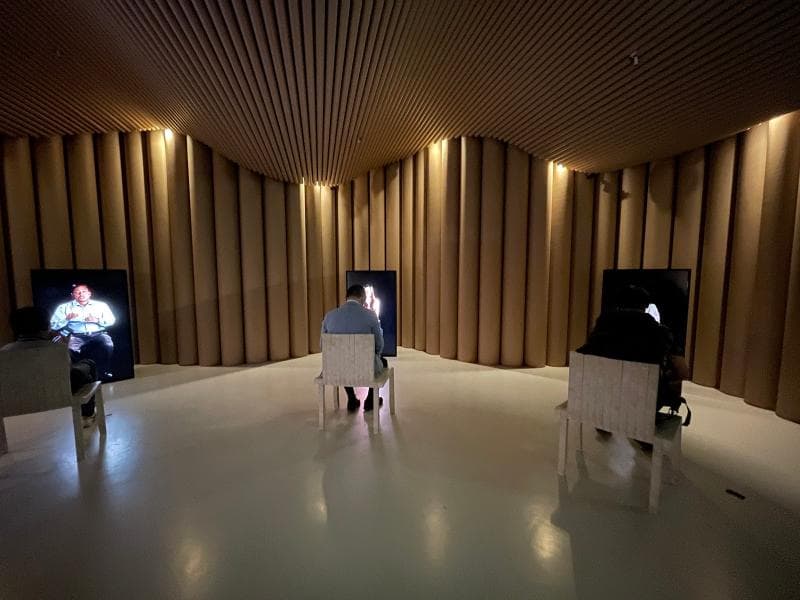
Visitors engage with history not just through artifacts, but through powerful personal testimonies and interactive installations. A standout feature is the 'Chamber of Witnesses', where life-size projections allow you to hear compelling stories from individuals who have endured conflicts and natural disasters, offering a deeply emotional connection to humanitarian work. The museum's collection also includes historically significant items, such as the first Nobel Peace Prize medal, jointly awarded to Red Cross founder Henry Dunant.
Stories, Fun Facts & Local Details
Henry Dunant, the visionary founder of the Red Cross, was a Genevese social activist. A fascinating detail is that he chose the red cross on a white background as the movement's emblem by reversing the colors of the Swiss flag, creating a universally recognizable symbol of neutrality and protection, even in war zones.
The museum holds the archives of the ICRC's International Prisoners of War Agency, which played a crucial role in reconnecting families separated during World War I, and these archives are recognized by UNESCO on its Memory of the World Register. The museum is not merely a historical repository; it actively addresses contemporary and future humanitarian challenges, often through artistic creation and artist residencies that offer fresh perspectives on pressing global issues. This dynamic approach ensures the museum remains relevant and thought-provoking, constantly engaging with the changing landscape of humanitarian action.
Visitor Perspective
Located at Avenue de la Paix 17, the museum is easily accessible from Geneva's city center. It's a short walk from the Nations public transport stops, served by Tram 15 from Gare Cornavin. To fully absorb the rich and often emotionally profound content, it is recommended to allocate at least two to two-and-a-half hours for your visit.
The museum is typically open Tuesday through Sunday, from 10:00 to 17:00, with extended hours until 20:00 on Thursdays, offering a quieter visiting experience. For those seeking a unique opportunity, the museum offers a 'pay-what-you-want' entry on the first Saturday of every month. The exhibits are designed to be interactive and moving, and many visitors find the experience deeply affecting, prompting reflection on the value of human life and solidarity. The museum is currently undergoing phased renovations to its permanent exhibition between 2026 and 2028, ensuring its continued evolution while remaining open to the public.
Coordinates: 6.13694, 46.22722
View on Google Maps💬 How Travelers Describe This Place
Based on community votes
Interesting
934Beautiful
879Unique
741Must See
396Photogenic
276
Traveler Stories
Discover memorable experiences shared by travelers who have visited this place.
No traveler stories yet.
Be the first traveler to share what made this place memorable.
Things to see at International Red Cross And Red Crescent Museum



Tour
By
Spot
Discover amazing places around the world. Your journey starts here.
Explore
© 2026 TourBySpot. All rights reserved.