Interactive Displays
Geneva, Switzerland
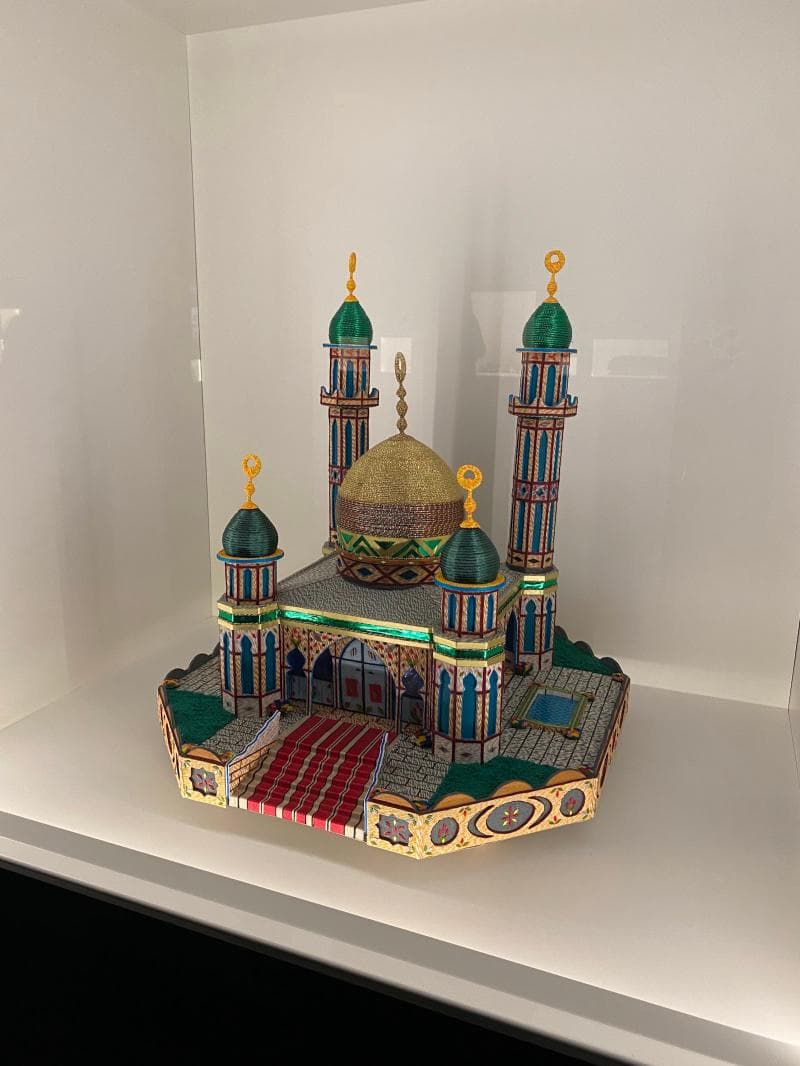
Explore the interactive displays at the International Red Cross and Red Crescent Museum in Geneva, Switzerland, for an immersive journey into humanitarian action and its history.
Overview
Within the thought-provoking International Red Cross and Red Crescent Museum in Geneva, Switzerland, the 'Interactive Displays' are not merely exhibits; they are a vital component of 'The Humanitarian Adventure', the museum's permanent exhibition. These displays are designed to immerse visitors directly into the complex world of humanitarian action, fostering a deeper understanding of its history, challenges, and enduring relevance. Located adjacent to the headquarters of the International Committee of the Red Cross (ICRC), the museum positions itself as a crucial educational and reflective space, using innovative technology to bring powerful stories to life.
Far from a static collection, the museum leverages these interactive elements to transform abstract concepts into tangible experiences, allowing guests to engage personally with the principles of human dignity, solidarity, and the critical role of humanitarian aid workers. This approach ensures that the visitor's journey through the museum is both informational and emotionally resonant, making it a unique destination in Geneva's rich cultural landscape.
History & Cultural Background
The International Red Cross and Red Crescent Museum first opened its doors in 1988, marking a significant milestone in documenting the profound legacy of humanitarian efforts. Its genesis can be traced back to 1963, coinciding with the 100th anniversary of the International Committee of the Red Cross, when initial proposals for such a museum were put forth. A major renovation concluded in 2013, revitalizing the museum with a new exhibition titled 'The Humanitarian Adventure', which significantly enhanced its interactive capabilities.
The museum's core mission is deeply rooted in the work of Henry Dunant, the visionary founder of the Red Cross movement. It meticulously chronicles the evolution of humanitarian action from its 19th-century origins to the pressing global challenges of today. Key themes, such as defending human dignity, reuniting families separated by conflict or disaster, and mitigating natural risks, are explored comprehensively. A particularly significant historical artifact on display is the original document of the 1864 Geneva Convention, a foundational text that established rules for humanitarian treatment during times of war.
What Makes It Special
The interactive displays at the International Red Cross and Red Crescent Museum are celebrated for creating an immersive and participatory experience that goes beyond traditional museum exhibits. One of the most compelling features is the 'Chamber of Witnesses', where visitors encounter life-size projections of individuals who have personally experienced war or natural disasters. By placing one's palm on a projected hand, visitors can listen to their poignant testimonies, forging an immediate and intimate connection with their stories.
Another engaging element is an interactive game designed to simulate decision-making during natural disasters like floods and earthquakes. This allows visitors to virtually experience the complexities and critical choices faced by aid workers in challenging situations. The 'Restoring Family Links' section offers a moving journey through a room adorned with hanging chains, leading to shelves filled with WWI prisoner of war files, underscoring the Red Cross's enduring efforts to reconnect separated families.
The 'On the Spot' exhibit provides insights into current Red Cross operations worldwide. It features a large, moving globe accompanied by touchscreens that offer detailed information about the humanitarian movement's ongoing activities across various regions. Moreover, the museum incorporates holographic testimonies and an interactive 'Colours of Dignity' light wall, which visually represents the diverse impact of humanitarian action, further enriching the visitor experience. The carefully preserved original 1864 Geneva Convention, housed in a specialized display case, also stands as a powerful testament to the museum's historical significance.
Stories, Fun Facts & Local Details
The museum holds a vast collection of approximately 30,000 items that bear witness to the movement's extensive history. Among its most treasured possessions is the first Nobel Peace Prize medal, jointly awarded to Henry Dunant, the Red Cross founder, and Frédéric Passy in 1901. The archives of the ICRC's International Prisoners of War Agency, recognized by UNESCO's Memory of the World Register for their role in reuniting families during World War I, also reside here.
Visitors are greeted by a profound quote from Fyodor Dostoyevsky at the museum's entrance: 'Everyone is responsible for everyone and for everything,' setting the tone for the humanitarian journey ahead. A fascinating historical detail is that the Swiss flag—a red cross on a white field—was inverted to create the Red Cross emblem, honoring Switzerland as the host nation for the 1864 Geneva Convention. While the museum is undergoing renovations until 2028, it remains open to the public, continually evolving its offerings. Its strategic location in Geneva, near the European headquarters of the UN and other significant international organizations, underscores its global importance. The museum is conveniently accessible by public transport from Geneva's central train station, Gare Cornavin, with nearby stops like Appia and Nations facilitating easy access for visitors.
Visitor Perspective
Visitors consistently describe the experience of the International Red Cross and Red Crescent Museum as profoundly moving, inspiring, and enlightening. The modern, interactive exhibits are highly effective in conveying the deep impact of humanitarian work, making complex topics accessible and engaging for people of all ages. The design fosters reflection on the intrinsic value of human life, the power of solidarity, and the importance of mutual aid.
The museum is equipped with 'smart' audio guides that automatically adjust content based on the visitor's location, ensuring a seamless and personalized journey through the humanitarian space. While some visitors, particularly those without a deep prior interest in the subject, might find certain sections brief on granular details, the overall consensus highlights the museum's ability to stimulate thought and foster dialogue. It stands as a dynamic space for art and action, serving as a platform for understanding past, present, and future humanitarian challenges.
Coordinates: 6.13694, 46.22722
View on Google Maps💬 How Travelers Describe This Place
Based on community votes
Photogenic
685Interesting
446Beautiful
152Unique
33Must See
16
Traveler Stories
Discover memorable experiences shared by travelers who have visited this place.
No traveler stories yet.
Be the first traveler to share what made this place memorable.

Tour
By
Spot
Discover amazing places around the world. Your journey starts here.
Explore
© 2026 TourBySpot. All rights reserved.