Immersive Installations
Geneva, Switzerland
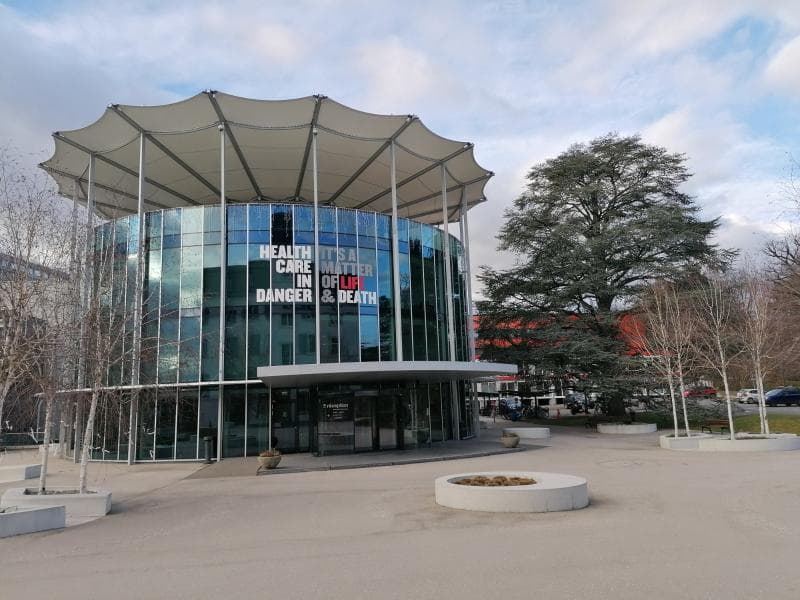
Explore the Immersive Installations at the International Red Cross and Red Crescent Museum in Geneva, Switzerland, for a unique humanitarian journey.
Overview
Stepping into the International Red Cross and Red Crescent Museum in Geneva, Switzerland, offers more than just a historical account; it provides a deeply moving and immersive journey into the heart of humanitarian action. Far from static displays, the museum's 'Immersive Installations' serve as powerful windows into the challenges, triumphs, and enduring principles of the Red Cross and Red Crescent Movement. These unique exhibits transform abstract concepts into tangible, human experiences, designed to engage visitors on an emotional and intellectual level, fostering a profound understanding of global humanitarian efforts.
History & Cultural Background
The International Red Cross and Red Crescent Museum, established in 1988, stands adjacent to the headquarters of the International Committee of the Red Cross, cementing its role as a custodian of humanitarian history. The museum is dedicated entirely to the mission and principles of this renowned organization, which was born out of the 19th century's devastating conflicts and Henry Dunant's vision for aiding the wounded. The 'Immersive Installations' within the museum are carefully crafted to connect visitors with this rich historical and cultural background, illustrating how the Movement was formed, how it has evolved, and its ongoing relevance in addressing contemporary global challenges. They contextualize the development of international humanitarian law, including the Geneva Conventions, by showing their real-world impact on human lives.
What Makes It Special
The true distinction of the museum's immersive installations lies in their interactive and participatory nature. Unlike traditional museum exhibits, these installations beckon visitors to actively engage rather than passively observe. For instance, the 'Chamber of Witnesses' brings visitors face-to-face with life-size projections of individuals who have endured war and natural disasters, allowing them to 'touch' palms with these virtual witnesses to hear their stories directly. In the 'Defending Human Dignity' section, designed by Brazilian architect Gringo Cardia, visitors encounter visually striking, colorful, and interactive elements, including a massive foot seemingly trampling on images of those affected by crises, alongside the original document of the 1864 Geneva Convention. Three 'optical theaters' simplify complex concepts, demonstrating how basic measures can mitigate the impact of natural disasters, while an interactive game challenges visitors to make critical decisions during simulated floods and earthquakes. Another poignant installation, 'Restoring Family Links', features a room filled with hanging chains leading to shelves containing World War I prisoner of war files, powerfully symbolizing the efforts to reconnect families separated by conflict. These installations don't just present information; they create a multi-sensory experience that is both educational and deeply impactful.
Stories, Fun Facts & Local Details
One of the most compelling aspects of the immersive installations is their ability to weave personal narratives into the broader humanitarian story. The opportunity to 'hear' from witnesses in the Chamber of Witnesses offers a profoundly personal connection to the human cost of conflict and disaster. The installations often blend artistic creation with historical documentation, a testament to the museum's commitment to using creative approaches to convey its message. For example, Gringo Cardia's work in 'Defending Human Dignity' is a celebrated example of how design can stimulate discovery rather than merely present facts, inviting visitors to connect the dots themselves. The museum itself is a place of memory, creation, and debate, encouraging dialogue on humanitarian values and the challenges facing the world. Furthermore, a new 'im/permanent' exhibition is being phased in between summer 2026 and spring 2028, which includes a 'Future' section with interactive devices designed to allow visitors to generate stories and images, exploring potential future humanitarian challenges. This forward-looking element ensures the museum remains dynamic and relevant, constantly evolving its immersive storytelling.
Visitor Perspective
A visit to the 'Immersive Installations' within the International Red Cross and Red Crescent Museum is an unforgettable experience for any traveler. It challenges visitors to reflect on the value of human life, the importance of solidarity, and their own role in a globally interconnected world. The interactive elements ensure that the learning is active and engaging, leaving a lasting impression and inspiring empathy. Whether tracing global crises through the 'On the Spot' exhibit's large moving globe or making critical decisions in the interactive game, visitors are encouraged to consider the complexities of humanitarian work. The museum is designed to be accessible to a wide audience, from students to humanitarian specialists, ensuring that everyone can connect with its vital message. The journey through these installations is not just about observing history; it's about experiencing the ongoing humanitarian adventure and understanding its profound relevance 'here and now'.
Coordinates: 6.13694, 46.22722
View on Google Maps💬 How Travelers Describe This Place
Based on community votes
Unique
989Beautiful
613Photogenic
603Interesting
581Must See
207
Traveler Stories
Discover memorable experiences shared by travelers who have visited this place.
No traveler stories yet.
Be the first traveler to share what made this place memorable.

Tour
By
Spot
Discover amazing places around the world. Your journey starts here.
Explore
© 2026 TourBySpot. All rights reserved.