Memorial Spaces
Geneva, Switzerland
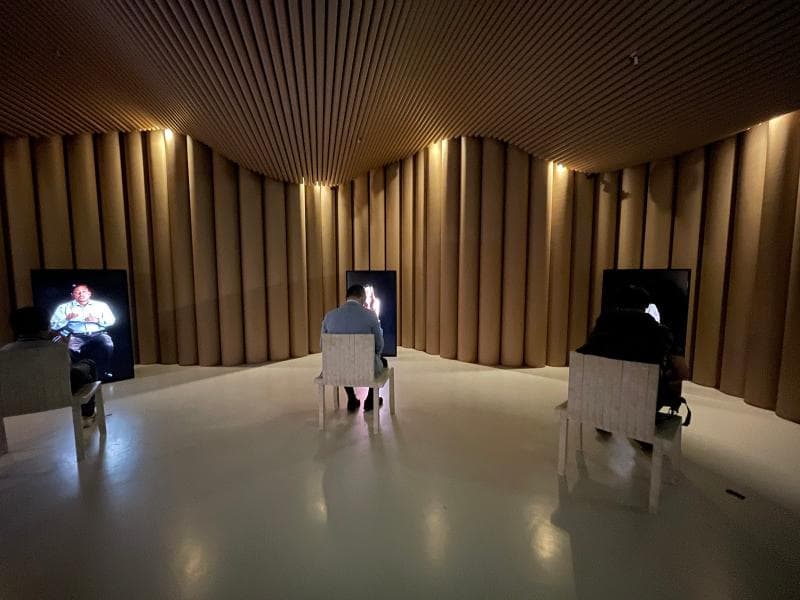
Explore the profound Memorial Spaces of the International Red Cross and Red Crescent Museum in Geneva, Switzerland, reflecting on humanitarian history and human dignity.
Overview
Within the heart of the International Red Cross and Red Crescent Museum in Geneva, Switzerland, visitors encounter powerful memorial spaces dedicated to the enduring spirit of humanitarian action. This unique institution, established in 1988, serves as a profound place of memory, inviting reflection on the history, challenges, and continuing relevance of humanitarian efforts worldwide. It stands as the only museum completely focused on the humanitarian mission, principles, and invaluable role of the Red Cross and Red Crescent Movement.
Situated on Avenue de la Paix, adjacent to the International Committee of the Red Cross (ICRC) headquarters, the museum offers an immersive experience that goes beyond traditional exhibits. It encourages a deep engagement with the human stories behind global crises and the compassion that drives aid, making it a critical site for understanding our shared humanity.
History & Cultural Background
The genesis of the International Red Cross and Red Crescent Movement lies with Henry Dunant, a Swiss businessman whose harrowing experience at the Battle of Solferino in 1859 inspired the creation of an aid society for wounded soldiers. His vision led to the founding of the Red Cross in 1863 and the adoption of the first Geneva Convention in 1864, which established rules for humanitarian treatment during wartime. The museum was conceived in 1963, marking the Red Cross's centenary, and opened its doors in 1988 to document and honor this profound legacy.
From its inception, the museum was designed to be 'modern' and 'dynamic', utilizing state-of-the-art technology to bring humanitarian history to life. It collects and displays around 500 objects from 150 years of humanitarian history, including the first Nobel Peace Prize medal awarded to Dunant. The museum's permanent exhibition, 'The Humanitarian Adventure', explores the movement's evolution from the 19th century to contemporary challenges, highlighting its founding principles and ongoing work.
What Makes It Special
What truly distinguishes the memorial spaces within this museum is their capacity to evoke empathy and personal connection. The museum was designed by three architects, each contributing to a section focusing on crucial humanitarian challenges: defending human dignity, restoring family links, and reducing natural risks. The entire space functions as a powerful memorial, making the abstract concept of humanitarian aid tangible and deeply personal. It's described as a place that 'walks through you' rather than one you simply walk through.
Key to this experience is the 'Chamber of Witnesses', where visitors can interact with life-size projections of individuals who have lived through war and disaster, hearing their personal testimonies by simply placing a hand on the projection. Another poignant exhibit is the display of the original Geneva Convention of 1864, presented in a specialized case designed for its preservation and allowing visitors to view this foundational document of international humanitarian law. The museum also integrates art, such as 'The Peoples' Wall' and the 'Future Memory – Tricycle', to underscore themes of human connection and the devastating human cost of conflict.
Stories, Fun Facts & Local Details
Upon entering the museum, visitors are greeted by a thought-provoking quotation from Dostoyevsky: 'Everyone is responsible for everyone and for everything,' setting the tone for the reflective journey ahead. The interactive exhibit on 'Restoring Family Links' allows visitors to experience the meticulous work of tracing missing persons, using historical materials to illustrate the importance of this ongoing humanitarian effort. Another profoundly moving artwork is the 'Future Memory – Tricycle', a powerful piece donated by ICAN and the City of Geneva, which represents the tricycle of three-year-old Shinichi Tetsutani, who perished in the atomic bombing of Hiroshima in 1945. This serves as a stark reminder of the humanitarian consequences of war. The museum constantly evolves, hosting artist residencies and temporary exhibitions that weave individual and collective memory with humanitarian action, exploring themes through diverse mediums like textiles.
Visitor Perspective
A visit to the International Red Cross and Red Crescent Museum is often described as an emotionally intense, humbling, and profoundly moving experience. It is not a place for the faint-hearted but rather for those seeking a deep understanding of human suffering and the resilience of the human spirit. The interactive displays and personal testimonies are designed to foster empathy and encourage visitors to reflect on the value of human life, solidarity, and mutual aid. Many visitors leave with a strong impression, feeling inspired to consider how humanitarian values apply to their own lives and the world around them. It serves as a space for dialogue and engagement, connecting visitors to humanitarian action through heritage, art, and personal testimony.
Coordinates: 6.13694, 46.22722
View on Google Maps💬 How Travelers Describe This Place
Based on community votes
Must See
839Interesting
445Photogenic
416Beautiful
289Unique
141
Traveler Stories
Discover memorable experiences shared by travelers who have visited this place.
No traveler stories yet.
Be the first traveler to share what made this place memorable.

Tour
By
Spot
Discover amazing places around the world. Your journey starts here.
Explore
© 2026 TourBySpot. All rights reserved.