Humanitarian Adventure Exhibits
Geneva, Switzerland
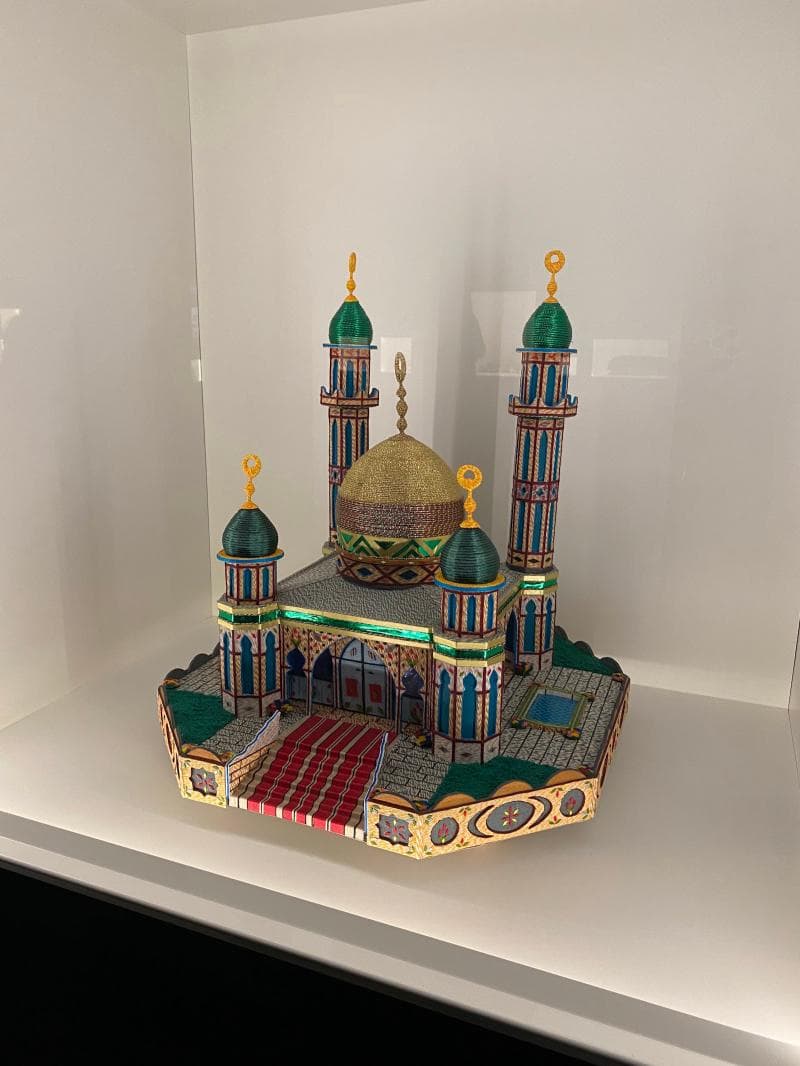
Explore 'The Humanitarian Adventure' at the International Red Cross and Red Crescent Museum in Geneva, Switzerland. Discover 150 years of humanitarian action.
Overview
The Humanitarian Adventure Exhibits, nestled within the International Red Cross and Red Crescent Museum in Geneva, Switzerland, offer a profound journey into the heart of humanitarian action. This permanent exhibition serves as a compelling exploration of the Red Cross and Red Crescent Movement's past, present, and future. It's designed not merely for observation but for immersive engagement, inviting visitors to connect with the universal principles of compassion and aid. The museum, a significant cultural landmark in Geneva, is dedicated to chronicling 150 years of humanitarian history through interactive displays and poignant personal accounts.
As you step into 'The Humanitarian Adventure,' you're not just a spectator; you become a participant in understanding the complexities and triumphs of aid work. The exhibits are a call to reflection, prompting visitors to consider their own role in a world constantly facing crises. The museum remains open even as it undergoes a phased renovation until 2028, ensuring its vital message continues to reach a global audience.
History & Cultural Background
The International Red Cross and Red Crescent Museum, which houses 'The Humanitarian Adventure,' first opened its doors in 1988, strategically located adjacent to the headquarters of the International Committee of the Red Cross (ICRC). The initial concept for establishing a museum dedicated to the Red Cross movement emerged as early as 1963, coinciding with the ICRC's centenary. The exhibition meticulously traces the genesis of the Red Cross Movement from its 19th-century origins, offering a rich historical and cultural context to its evolution and enduring relevance.
A cornerstone of the exhibits is the original 1864 Geneva Convention document, a pivotal artifact that symbolizes the birth of international humanitarian law. This historical document underscores the museum's mission to foster a deep understanding of humanitarian action, both within Geneva and across the globe. The museum's narrative emphasizes the historical progression of humanitarian efforts, showcasing how the principles established over a century ago continue to shape responses to modern challenges.
What Makes It Special
'The Humanitarian Adventure' distinguishes itself through its innovative design and deeply personal approach. The permanent exhibition is uniquely structured into three thematic areas, each masterfully conceived by a different architect from a distinct continent. This diverse architectural input—Gringo Cardia from Brazil for 'Defending Human Dignity,' Diébédo Francis Kéré from Burkina Faso for 'Restoring Family Links,' and Shigeru Ban from Japan for 'Reducing Natural Risks'—creates a multifaceted and globally resonant experience.
These sections utilize personal testimonies, first-hand accounts, and highly interactive installations to convey the realities of humanitarian work. A standout feature is the 'Chamber of Witnesses,' an emotionally powerful space where visitors can listen to life-sized projections of individuals who have endured war and natural disasters, sharing their stories directly. This commitment to human storytelling, combined with the display of significant historical objects like the first Nobel Peace Prize medal awarded to Red Cross founder Henry Dunant, makes the exhibition a profoundly moving and educational experience.
Stories, Fun Facts & Local Details
Visitors are greeted by a thought-provoking quote from Dostoyevsky: 'Everyone is responsible for everyone and for everything,' setting the tone for the journey ahead. The museum's collection boasts over 30,000 items, each telling a piece of the vast humanitarian story. A fascinating detail is the origin of the Red Cross emblem itself: a red cross on a white background, chosen to honor Switzerland, the host nation for the Geneva Conventions.
The exhibits also highlight the crucial role of photography in conveying humanitarian narratives, showcasing how images have historically shaped public understanding and empathy. Moreover, the museum is conveniently located in Geneva's 'UN quarter,' making it an ideal companion to a visit to the nearby UN Palais des Nations and the iconic 'Broken Chair' sculpture. The ongoing renovations until 2028 are being conducted with a focus on inclusion and sustainability, reflecting contemporary humanitarian values even in the museum's infrastructure.
Visitor Perspective
A visit to 'The Humanitarian Adventure' is often described as an emotionally affecting and profoundly educational experience. Travelers researching this destination should plan for approximately two to three hours to fully engage with the exhibits, allowing sufficient time for reflection. Due to the sensitive and sometimes intense nature of the content, the museum recommends the experience for visitors aged 10 and older.
To enhance understanding, the exhibits are supported by multilingual audio captions, ensuring a comprehensive and accessible experience for international visitors. Beyond its informational role, the museum provides a vital space for visitors to reflect on complex humanitarian challenges and to consider their own perspectives and potential contributions to a more humane world. It's a destination that leaves a lasting impression, encouraging empathy and a deeper appreciation for the ongoing work of humanitarian aid.
Coordinates: 6.13694, 46.22722
View on Google Maps💬 How Travelers Describe This Place
Based on community votes
Must See
934Beautiful
276Photogenic
152Unique
30Interesting
16
Traveler Stories
Discover memorable experiences shared by travelers who have visited this place.
No traveler stories yet.
Be the first traveler to share what made this place memorable.

Tour
By
Spot
Discover amazing places around the world. Your journey starts here.
Explore
© 2026 TourBySpot. All rights reserved.