Independence Palace
Ho Chi Minh City, Vietnam
Explore Independence Palace in Ho Chi Minh City, Vietnam. Discover its rich history, modernist architecture, and the pivotal role it played in the Vietnam War's end.
Overview
Stepping into the Independence Palace, also widely known as the Reunification Palace, in Ho Chi Minh City, Vietnam, offers a compelling journey through a pivotal period of Vietnamese history. Located centrally in District 1, this architectural marvel stands as a profound symbol of the nation's struggle for independence and eventual reunification. It is not merely a building but a preserved 'time capsule' that vividly tells the story of the Vietnam War's dramatic conclusion.
Designed by the acclaimed Vietnamese architect Ngo Viet Thu, the palace was completed in 1966, showcasing a distinctive modernist style that subtly integrates traditional Eastern philosophy. Today, it is recognized as a Special National Relic, welcoming visitors from around the world to explore its grand ceremonial halls, presidential offices, private living quarters, and a fascinating underground command bunker.
Its strategic location makes it an easily accessible landmark, often just a short walk or ride from other significant historical sites in the bustling city. A visit here promises a deep, reflective experience, highlighting the resilience and spirit of Vietnam.
History & Cultural Background
The story of Independence Palace begins long before its current structure. The site was originally home to Norodom Palace, a grand mansion commissioned by French colonists in 1868 and completed around 1871-1873, serving as the residence for the Governor of Cochinchina.
Over the decades, Norodom Palace witnessed significant historical shifts. It housed French governors, then became headquarters for Japanese forces during World War II, before reverting to French control. Following France's defeat at Dien Bien Phu in 1954 and the subsequent Geneva Agreement, the palace was handed over to the Saigon government. Prime Minister Ngo Dinh Diem renamed it the Independence Palace, making it his official residence and workplace.
However, the palace suffered severe damage in a bombing attack in February 1962, leading to its demolition. A new, modern palace, designed by Ngo Viet Thu, began construction in July 1962 and was officially completed on October 31, 1966. This new structure served as the home and workplace of the President of South Vietnam until a momentous day: April 30, 1975. On this historic date, a North Vietnamese tank dramatically crashed through its gates, symbolizing the fall of Saigon and the definitive end of the Vietnam War.
After the reunification of Vietnam, the building was officially renamed Reunification Hall, though it continues to be widely known as Independence Palace, representing a crucial chapter in the nation's journey.
What Makes It Special
What truly sets Independence Palace apart is its unique blend of architectural ambition and historical significance. Architect Ngo Viet Thu envisioned a structure that married modern architectural lines with profound Eastern philosophical principles. The building's layout, when viewed from above, is said to form an ancient ideogram representing 'good fortune' or 'luck'. Other design elements, such as the arrangement of the flagstaff and the three horizontal strokes in the roofing, are believed to embody concepts like wisdom, unswerving fidelity, and firmness of purpose.
Beyond its exterior, the palace acts as a meticulously preserved time capsule. Visitors can explore grand reception rooms, offices, and private presidential quarters, all maintained as they were in the 1960s and 70s. The true highlight for many is the underground command bunker, a network of tunnels filled with old maps, radio equipment, and strategic rooms, offering a chillingly authentic glimpse into wartime decision-making.
The palace's ability to seamlessly weave together modernist aesthetics with deep cultural symbolism, while embodying such a significant historical narrative, makes it an exceptionally compelling landmark.
Stories, Fun Facts & Local Details
The image of the tank crashing through the palace gates on April 30, 1975, is one of the most iconic and enduring symbols of the Vietnam War's end, a moment frequently recounted by guides and locals alike. The original tanks, including Tank 390, are preserved and often displayed nearby, further cementing this pivotal event in public memory.
A fascinating detail for those interested in deeper historical context is the special exhibition titled 'From Norodom Palace to Independence Palace 1868–1966'. This display chronicles the formation, construction, and key milestones of the site's transformation, providing rich historical insight.
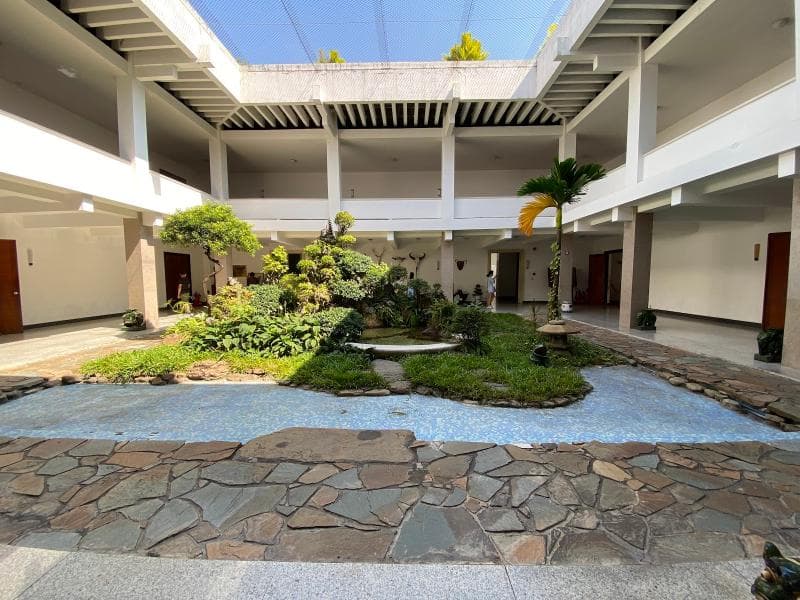
Another curious aspect is the 'Salon of the 4 Cardinal Room' on the palace's top floor. Originally conceived as a meditative space for the President to ponder the nation's future, it surprisingly evolved into a venue for social gatherings and parties, hosting over a hundred guests at times. This transformation offers a humanizing glimpse into the life within such an imposing political structure. The palace grounds also feature beautifully manicured gardens, providing a peaceful contrast to the weight of history held within its walls.
Visitor Perspective
Independence Palace is conveniently situated at 135 Nam Ky Khoi Nghia Street, right in the vibrant heart of Ho Chi Minh City's District 1. Its central location means it's easily reachable, whether you prefer a leisurely stroll from nearby accommodations, a quick taxi, or a ride-hailing service like Grab.
The palace typically opens daily, with general visiting hours often extending from 7 AM to 6 PM, though the ticket office usually operates from 8 AM to 4 PM or 4:30 PM. It is always advisable to check the official website for the most current opening hours and any special closures.
Adult entrance fees are approximately 40,000 VND for access to the main building. Many visitors find that dedicating about 1.5 to 2 hours allows for a thorough exploration of the various floors, including the state rooms, reception areas, and the captivating underground bunker. For a more enriching experience, multilingual audio guides are available, offering detailed narratives and historical anecdotes as you navigate through this significant landmark.
Coordinates: 106.6954, 10.77702
View on Google Maps💬 How Travelers Describe This Place
Based on community votes
Unique
847Beautiful
685Interesting
513Photogenic
482Must See
433
Traveler Stories
Discover memorable experiences shared by travelers who have visited this place.
No traveler stories yet.
Be the first traveler to share what made this place memorable.
Things to see at Independence Palace



Tour
By
Spot
Discover amazing places around the world. Your journey starts here.
Explore
© 2026 TourBySpot. All rights reserved.