Grafton Street
Dublin, Ireland
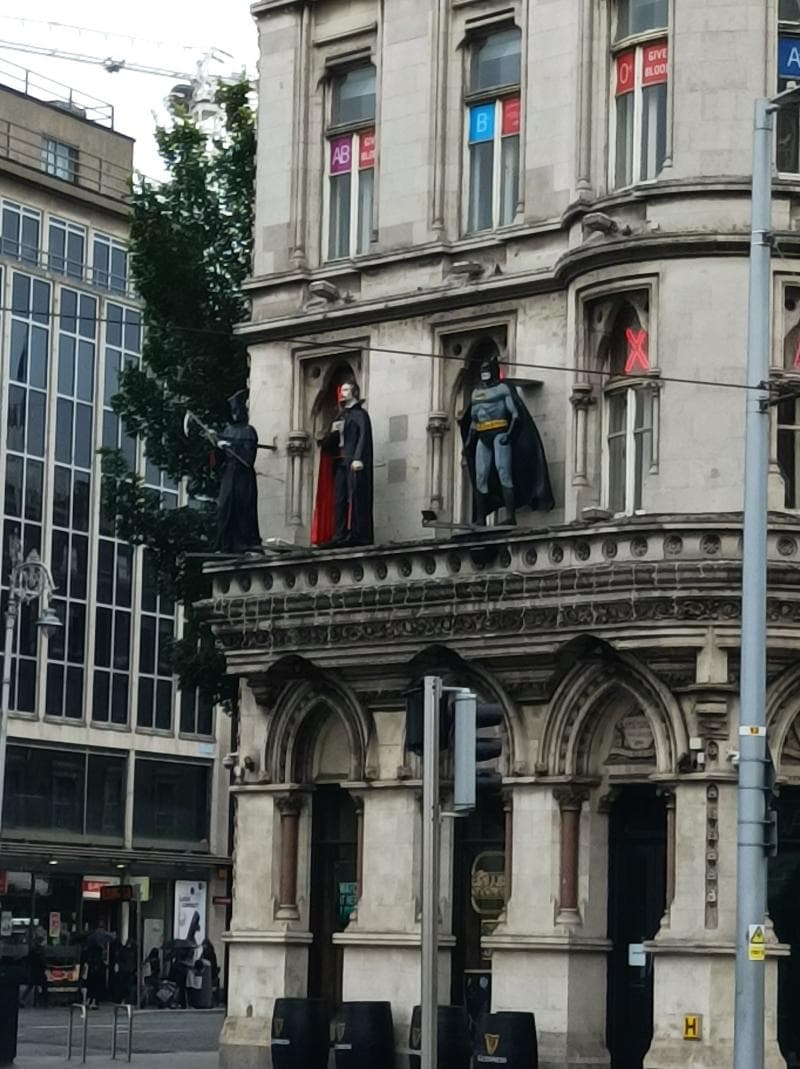
Discover Grafton Street in Dublin, Ireland – a vibrant pedestrianised thoroughfare famous for high-end shopping, talented buskers, and rich history.
Overview
Grafton Street is one of Dublin's most iconic and vibrant thoroughfares, renowned as a premier shopping destination and a lively hub for street entertainment. Located in the heart of Dublin city centre, this pedestrianised street stretches approximately 500 meters, connecting St Stephen's Green in the south to College Green in the north, near Trinity College Dublin.
A bustling artery of the city, Grafton Street attracts both locals and tourists with its unique blend of high-end retail, charming cafes, and a palpable sense of historical character. It is widely recognized for its vibrant atmosphere, especially during festive seasons when it transforms into a magical wonderland adorned with twinkling lights.
History & Cultural Background
The origins of Grafton Street trace back to the early 18th century, when it was developed from an existing country lane by the Dawson family around 1708. The street was named after Henry FitzRoy, the 1st Duke of Grafton, an illegitimate son of King Charles II, who held land in the area.
Initially, Grafton Street was a fashionable residential address, home to affluent citizens. However, its character began to shift dramatically after the construction of Carlisle Bridge (now O'Connell Bridge) in 1794, which created an important north-south route across the River Liffey. This development transformed Grafton Street into a busy cross-city thoroughfare and sparked a shopping boom, with many residential buildings converting into commercial units.
While the street experienced a period of dilapidation and a less savory reputation in the 19th century, its commercial prominence continued to grow. By the latter part of the 19th century, it was firmly established as Dublin's top commercial street, catering to the high-end market. Pedestrianisation efforts began with trials in 1971 and became permanent in 1983, significantly enhancing its appeal as a shopping and leisure district.
What Makes It Special
Grafton Street's distinctiveness lies in its vibrant energy and its blend of historical charm with modern commercial appeal. It is celebrated globally as one of the most expensive retail streets, hosting prestigious department stores like Brown Thomas and jewelers such as Weir & Sons.
Perhaps its most captivating feature is the array of buskers and street performers who consistently entertain passersby. This tradition has made Grafton Street a renowned launch pad for musical talent, with notable artists like Bono from U2 having performed here. The melodic tunes and engaging acts create an immersive, ever-changing soundtrack to the street's daily life.
The street is also home to Bewley's Oriental Café, an iconic institution since 1927, known for its architecturally significant interior and as a historic meeting place. The preserved Georgian facades and structures, such as the Provost's House of Trinity College at its northern end, add to its unique visual appeal and historical depth.
Stories, Fun Facts & Local Details
Grafton Street holds a special place in Dublin's cultural narrative, featuring in various forms of art and literature. American singer-songwriter Nanci Griffith penned a song 'On Grafton Street', and Irish band Bagatelle references the street in their song 'Summer in Dublin'. Even Dido's album 'Safe Trip Home' includes a track named 'Grafton Street', a tribute to her Irish father.
For many years, the beloved Molly Malone statue, depicting the subject of Dublin's unofficial anthem 'Cockles and Mussels', was a popular meeting point at the northern end of Grafton Street. In 2014, to accommodate the Luas tram system extension, the statue was moved to nearby Suffolk Street. Close by, off Grafton Street on Harry Street, stands a life-size bronze statue of Thin Lizzy's frontman, Phil Lynott, unveiled in 2005.
Historically, the famous Whytes Academy, an English Grammar School, was located at 75 Grafton Street from 1758. Distinguished alumni of this academy included figures like Arthur Wellesley, who would later become the 1st Duke of Wellington, and Irish patriot Robert Emmet.
The street's narrowness, particularly towards St Stephen's Green, lends it an intimate atmosphere, contributing to the feeling of a 'small town' heart within a bustling capital, especially noticeable during the festive Christmas Eve gatherings when families flock to soak up the atmosphere.
Visitor Perspective
Grafton Street offers an immersive experience for any traveler exploring Dublin. Its pedestrianised nature makes it a safe and enjoyable space for leisurely strolls, shopping, and people-watching. The street is easily accessible via Dublin's public transport system, including the Luas green line which stops at St Stephen's Green.
Visitors can spend hours browsing high-end boutiques, international brands, and traditional Irish craft shops. Taking a break in one of the many cafes, such as the historic Bewley's, offers a chance to savor a warm drink and observe the vibrant street life unfold. The continuous performances by buskers add an impromptu artistic element to any visit, making each walk unique.
The street serves as an excellent starting point for exploring nearby attractions, including the lush St Stephen's Green park and the historic Trinity College Dublin with its famous Book of Kells. Whether you are seeking retail therapy, a cultural immersion, or simply wish to soak in the lively ambiance, Grafton Street encapsulates the dynamic spirit of Dublin.
Coordinates: -6.26028, 53.34139
View on Google Maps💬 How Travelers Describe This Place
Based on community votes
Beautiful
948Unique
913Interesting
337Must See
196Photogenic
94
Traveler Stories
Discover memorable experiences shared by travelers who have visited this place.
No traveler stories yet.
Be the first traveler to share what made this place memorable.
Things to see at Grafton Street



Tour
By
Spot
Discover amazing places around the world. Your journey starts here.
Explore
© 2026 TourBySpot. All rights reserved.