Cafés
Dublin, Ireland
Discover the vibrant cafe culture on Grafton Street in Dublin, Ireland. Explore historic cafes like Bewley's, soak in literary history, and enjoy the bustling atmosphere.
Overview
Grafton Street, nestled in the vibrant heart of Dublin, Ireland, is much more than a bustling retail thoroughfare; it is a cultural artery where the city's pulse is most palpable. This iconic pedestrian street, stretching elegantly from St. Stephen's Green to College Green, is renowned for its lively atmosphere, high-end shops, and an eclectic array of street performers, known locally as buskers. Amidst this dynamic setting, the cafes of Grafton Street emerge as cherished havens, offering both locals and visitors a comforting respite and a prime vantage point for people-watching.
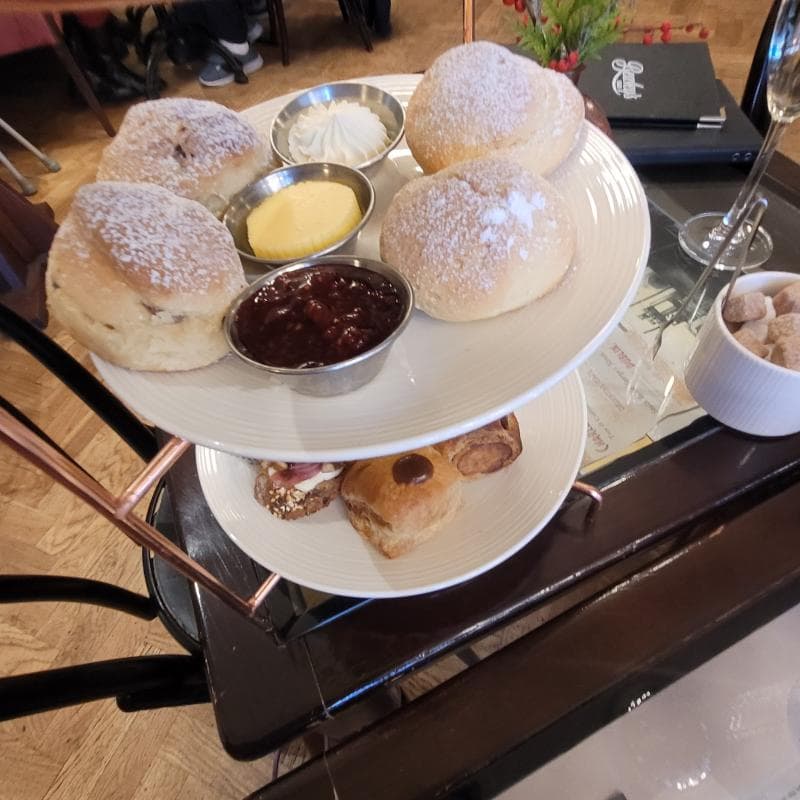
These establishments are integral to the street's character, providing warm beverages, delectable treats, and a glimpse into Dublin's enduring social traditions. Whether seeking a quick coffee or a leisurely afternoon tea, the cafes here serve as essential gathering places, reflecting the street's blend of historic charm and contemporary urban life.
History & Cultural Background
The story of Grafton Street began in 1708, named after Henry Fitzroy, the 1st Duke of Grafton, who owned land in the area. It was initially conceived as a fashionable residential street, a prestigious address for Dublin's affluent citizens. Its transformation into a commercial powerhouse accelerated after the construction of Carlisle Bridge (now O'Connell Bridge) in 1794, which facilitated a vital cross-city route and ushered in an era of bustling trade.
Dublin's affinity for coffee culture dates back even further, with the earliest known coffee houses appearing in the city around 1664. These 17th and 18th-century establishments were crucial social hubs, where the wealthy and influential gathered to exchange news, engage in intellectual debate, and conduct business. While coffee houses waned in popularity for a period, a new wave of cafe culture, characterized by specialty coffee drinks, swept across Ireland at the turn of the 21st century. This resurgence coincided with significant economic growth, firmly re-establishing cafes as integral to Dublin's social fabric.
What Makes It Special
The cafes of Grafton Street are special not merely for the beverages they serve, but for the unique ambiance they cultivate. They provide a vital counterpoint to the energetic pace of the street, offering sanctuaries where one can pause and soak in the vibrant tapestry of Dublin life. The most celebrated among them is Bewley's Oriental Café, an institution that first opened its doors in 1927.
Bewley's is a landmark in its own right, famed for its striking Egyptian Revival facade, a testament to the Art Deco period, and its priceless Harry Clarke stained glass windows. These artistic and architectural elements contribute to an atmosphere that feels both grand and inviting. Beyond Bewley's, other cafes like Butlers Chocolate Café add to the diverse offerings, ensuring there is a cozy spot for every taste. The collective presence of these cafes, with their blend of historic elegance and modern appeal, truly sets Grafton Street apart.
Stories, Fun Facts & Local Details
Grafton Street's cafes are steeped in history and local lore, most notably through Bewley's. This iconic cafe has long been a creative haven and meeting place for some of Ireland's most revered literary figures, including James Joyce, W.B. Yeats, and Samuel Beckett. It is said that within its walls, countless stories were conceived and intellectual debates unfolded, making it a cornerstone of Dublin's literary heritage. The cafe's ornate facade, with its distinctive Egyptian Revival styling, was directly inspired by the global fascination surrounding the discovery of Tutankhamen's tomb in 1922.
Inside, the mesmerizing stained-glass windows by Harry Clarke, depicting various architectural orders, are not only artistic masterpieces but also contain hidden details of butterflies, birds, and tiny flowers, inviting closer inspection. Bewley's continues its cultural contribution today by hosting lunchtime theatre, adding another layer to the cafe experience. The enchanting melodies and engaging performances of the street buskers often drift into the cafes, creating an immersive soundtrack to the daily ritual of coffee and conversation on Grafton Street.
Visitor Perspective
For the curious traveler, the cafes of Grafton Street offer an authentic and enriching Dublin experience. They serve as ideal stopping points to rejuvenate amidst a day of exploring the city's sights and sounds. Stepping into one of these establishments provides a welcome break from the bustling street, allowing visitors to relax and observe the vibrant street life unfold through expansive windows.
It's an opportunity to savor a traditional Irish coffee or simply a well-crafted espresso, experiencing a blend of hospitality and history. The cafes on Grafton Street embody a sense of continuity, where centuries-old traditions of gathering and conversation persist in a modern setting. They are not just places to eat and drink, but living spaces where one can truly feel the pulse of Dublin, reflect on its rich past, and become a part of its ongoing story. The warmth of the welcome, the aroma of coffee, and the subtle hum of conversation create a memorable and quintessentially Dublin moment.
Coordinates: -6.26028, 53.3414
View on Google Maps💬 How Travelers Describe This Place
Based on community votes
Beautiful
950Must See
858Unique
287Interesting
231Photogenic
86
Traveler Stories
Discover memorable experiences shared by travelers who have visited this place.
No traveler stories yet.
Be the first traveler to share what made this place memorable.

Tour
By
Spot
Discover amazing places around the world. Your journey starts here.
Explore
© 2026 TourBySpot. All rights reserved.