Statues
Dublin, Ireland
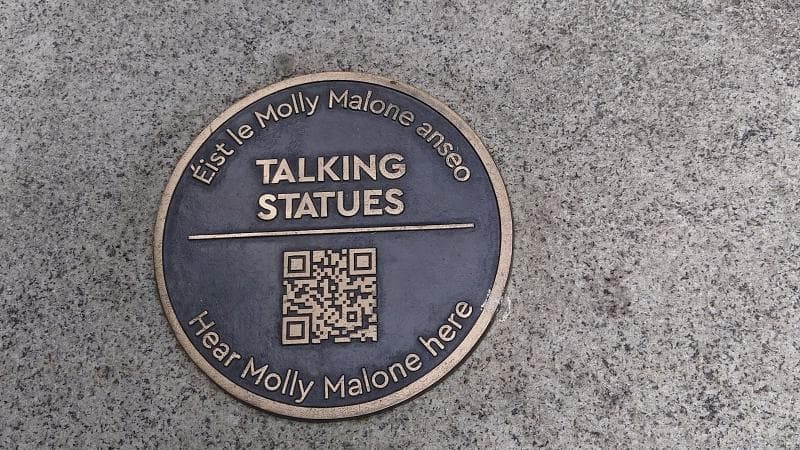
Discover the iconic statues of Grafton Street, Dublin, Ireland, including the legendary Molly Malone and rock icon Phil Lynott. Explore their history and cultural significance.
Overview
Grafton Street, a vibrant and bustling thoroughfare in the heart of Dublin, Ireland, is renowned not only for its premier shopping experience but also for its rich tapestry of street life and cultural landmarks. While primarily known for its lively atmosphere, filled with buskers and cafes, it serves as a gateway to some of Dublin's most iconic sculptural tributes. The 'Statues' of and around Grafton Street offer curious travelers a glimpse into the city's unique character and its celebrated figures. These public artworks, steeped in local lore and history, add profound depth to the street's commercial buzz, transforming a shopping excursion into a cultural journey. Two figures, in particular, stand out: the legendary Molly Malone and the rock icon Phil Lynott, each with their own compelling story woven into the fabric of Dublin life.
History & Cultural Background
Grafton Street itself boasts a rich history, evolving from an early 18th-century laneway into one of Dublin's most significant commercial and cultural arteries. Over the centuries, it transformed, becoming known for its distinctive character, which includes a strong tradition of street performers and artists. The statues associated with this area are deeply rooted in Irish culture. The bronze statue of Molly Malone, sculpted by Jeanne Rynhart, was originally unveiled on Grafton Street in 1988 as part of the Dublin Millennium celebrations. Molly Malone is the subject of Dublin's unofficial anthem, 'Cockles and Mussels,' a popular folk song that tells the poignant, albeit fictional, tale of a fishmonger who plied her trade in Dublin's fair city and died young of a fever. Though no historical evidence confirms her existence, the song's enduring popularity cemented her status as a beloved symbol of Dublin's street hawker tradition.
Just a stone's throw from Grafton Street, on Harry Street, stands the bronze tribute to Phil Lynott, the legendary frontman of the iconic Irish rock band Thin Lizzy. Unveiled in 2005, this statue commemorates a true Dublin rock 'n' roll hero. Lynott grew up in Dublin, and his music captured the spirit of the city, making him a cherished figure. The statue, sculpted by Paul Daly and funded by the Roisin Dubh Trust, immortalizes Lynott in his signature pose, guitar in hand, a testament to his lasting impact on music and Irish culture.
What Makes It Special
The statues in and around Grafton Street are special because they are more than mere monuments; they are interactive pieces of Dublin's living history. The Molly Malone statue, though moved to Suffolk Street in 2014 to accommodate the Luas tram works, remains intrinsically linked to the Grafton Street area in the public's imagination. Its distinctive depiction of Molly as a busty young woman with her cart has earned it affectionate, often cheeky, nicknames such as 'The Tart with the Cart' or 'The Trollop With The Scallop(s)' among locals. What makes it truly special for visitors is the tradition of touching Molly's bronze bosom for good luck, a practice so popular that the metal has worn smooth in those areas, highlighting the playful interaction between the public and the artwork.
The Phil Lynott statue holds a different, yet equally powerful, significance. It's a pilgrimage site for rock music fans worldwide, offering a tangible connection to a global icon who remained deeply rooted in his Dublin upbringing. The statue's location just outside Bruxelles pub, a place Lynott himself frequented, adds an authentic layer to its appeal. It captures his charismatic stage presence, reminding passersby of the raw energy he brought to Irish music. These statues serve as focal points for both historical reflection and contemporary celebration, embodying the spirit of Dublin in their bronze forms.
Stories, Fun Facts & Local Details
The stories surrounding Dublin's statues are as colourful as the city itself. Molly Malone, despite being a legendary figure without concrete historical proof, has become a potent symbol of resilience and the bustling street life of old Dublin. The multitude of nicknames she has acquired, beyond 'The Tart with the Cart', like 'The Dish with the Fish' or 'The Dolly with the Trolley', reflect the witty and irreverent humour characteristic of Dubliners. Her statue vividly depicts her as a fishmonger by day, with some interpretations suggesting she may have also worked as a 'working girl' by night, adding to her enigmatic appeal.
For Phil Lynott, his statue on Harry Street is a powerful reminder of a musician who transcended genres and put Irish rock on the global map. Locals fondly recall Lynott's presence in the Grafton Street area, where he would often be seen walking and interacting with people. The unveiling ceremony in 2005 was a heartfelt affair, attended by his mother Philomena and former bandmates, highlighting the deep affection the city held for him. There is also a lesser-known but charming detail on Grafton Street itself: an 'Angel' plaque located on a building above a Boots store. This small, elegant detail provides another layer to the street's visual narrative, often discovered by those who take the time to look up and appreciate the architectural nuances.
Visitor Perspective
Visiting the statues near Grafton Street is an integral part of experiencing Dublin's vibrant street culture. As you stroll along the pedestrianised Grafton Street, you'll be immersed in the sounds of buskers, the aroma from cafes, and the energy of shoppers. A short detour to Suffolk Street will bring you face-to-face with Molly Malone. Here, you can partake in the light-hearted tradition of touching her for good luck and capture a memorable photograph with this iconic figure. Observing how her bronze has worn smooth from countless touches truly brings her legend to life. Just around the corner, on Harry Street, you can find the Phil Lynott statue, often adorned with flowers, guitar picks, and messages from fans. It's a place where music lovers can pause, reflect on his legacy, and feel a connection to Ireland's rich musical heritage. These statues invite engagement, tell compelling stories, and offer a personal connection to the historical and cultural narrative of Dublin, making them unmissable stops for any curious traveler.
Coordinates: -6.2599, 53.3414
View on Google Maps💬 How Travelers Describe This Place
Based on community votes
Unique
958Must See
743Photogenic
728Beautiful
719Interesting
382
Traveler Stories
Discover memorable experiences shared by travelers who have visited this place.
No traveler stories yet.
Be the first traveler to share what made this place memorable.

Tour
By
Spot
Discover amazing places around the world. Your journey starts here.
Explore
© 2026 TourBySpot. All rights reserved.