Busking Spots
Dublin, Ireland
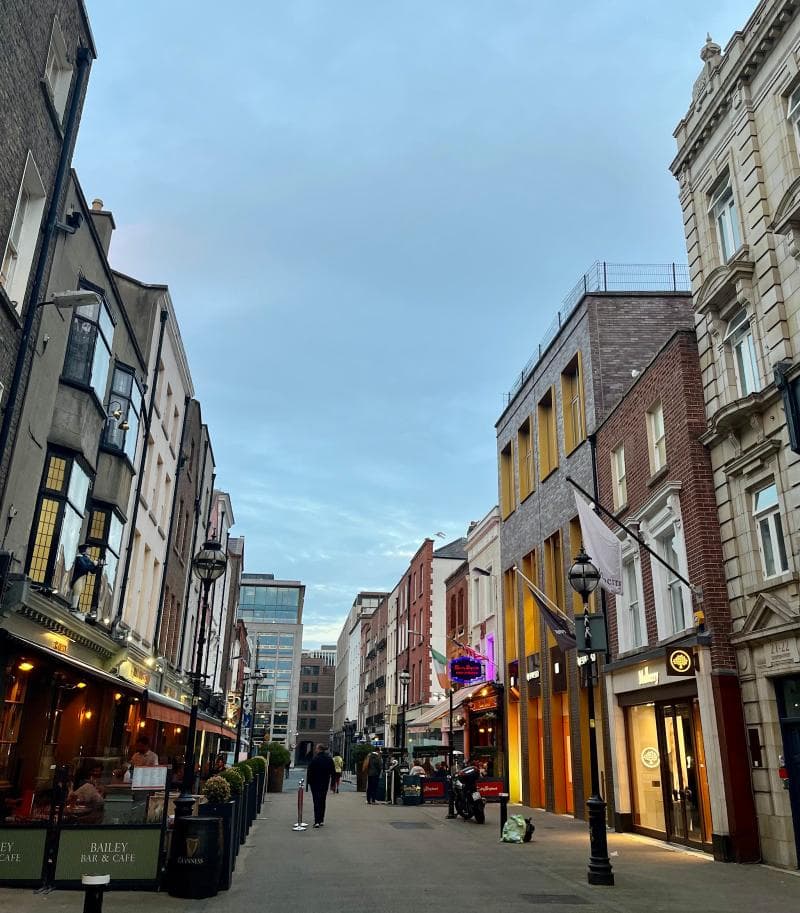
Discover the vibrant busking spots on Grafton Street, Dublin, Ireland. Experience the dynamic street performances that define this iconic thoroughfare.
Overview
Grafton Street in Dublin, Ireland, is much more than a premier shopping destination; it's a living, breathing stage for street performers, affectionately known as buskers. This bustling pedestrian thoroughfare, stretching from St. Stephen's Green to College Green, offers a unique blend of high-end retail and spontaneous artistry. Walk its storied length, and you're almost guaranteed to encounter a diverse array of musical talents, poets, and mime artists, creating an unforgettable soundtrack to your Dublin experience. The busking spots along Grafton Street have become an integral part of the city's vibrant cultural fabric, drawing both locals and tourists alike into a world of unexpected performances.
History & Cultural Background
The origins of Grafton Street trace back to the early 18th century when it was developed from a simple laneway. Over time, it transformed from a fashionable residential street into a significant commercial hub, especially after being connected to Carlisle Bridge (now O'Connell Bridge). While the street has always been a central artery, its reputation as a haven for street performers truly blossomed following its pedestrianisation in 1983. This transformation provided an open-air stage, allowing artists to captivate passersby without the interruption of vehicular traffic. Since the 1980s, Grafton Street has gained international recognition for its dynamic street entertainment.
This tradition of public performance has deep roots, with the term 'busker' itself deriving from the Spanish word 'buscar', meaning 'to seek', and adopted into English in the 1860s to describe performers soliciting money in public spaces. In Dublin, busking on Grafton Street evolved into a cherished cultural phenomenon, attracting countless aspiring artists and establishing itself as a vital component of the city's artistic identity.
What Makes It Special
What truly sets Grafton Street's busking scene apart is its unique combination of raw talent, strict regulations, and an incredibly captive audience. Dublin City Council mandates that buskers obtain a license, which includes fees for both performance and amplification. Performers are allowed to occupy a spot for a maximum of one hour, after which they must move at least 100 meters away for the rest of the day, ensuring a rotating cast of entertainers and preventing noise fatigue for local businesses. There are also strict noise limits, typically capped at 80 decibels, and a requirement for buskers to have at least 30 minutes of original material before repeating songs, fostering creativity and variety. These rules, while seemingly stringent, contribute to a high standard of performance and a diverse, ever-changing atmosphere.
Moreover, the sheer volume of foot traffic—estimated at thousands of pedestrians per hour—provides an unparalleled platform for artists. It's this continuous flow of people that creates an electric energy, turning a simple stroll into an impromptu concert. The street's intimate scale and pedestrian-only nature mean that interactions between performers and the audience are often personal and memorable, distinguishing it from many other urban performance spaces.
Stories, Fun Facts & Local Details
Grafton Street boasts a rich tapestry of stories, particularly concerning the luminaries who began their careers on its cobblestones. Many celebrated Irish and international musicians got their start busking here, using the street as a crucial stepping stone. Notable names include Glen Hansard, whose journey from Grafton Street busker to Oscar winner (for the film 'Once', which features a busking scene) is legendary. Other famous artists who have graced these busking spots include Allie Sherlock, Dermot Kennedy, Keywest, Kodaline, Damien Rice, and even U2's frontman, Bono, who famously participates in charity busks on Christmas Eve.
The street is known to have five primary busking locations. The tradition of busking is so deeply embedded that it's not uncommon for visitors to stumble upon the next big musical sensation or witness an established star returning to their roots. This constant potential for discovery adds an element of excitement and spontaneity to every visit. The lively performances are so central to Grafton Street's identity that they are consistently highlighted as a key attraction by visitors and travel guides.
Visitor Perspective
For visitors, experiencing the busking spots on Grafton Street is an essential part of the Dublin adventure. It offers a genuine connection to the city's artistic soul and a vibrant backdrop to shopping or simply soaking in the atmosphere. Imagine wandering past historic buildings, perhaps with a coffee in hand from a traditional café, when a soulful voice or an energetic instrumental piece stops you in your tracks.
The performances cater to a wide range of tastes, from traditional Irish folk music to contemporary pop covers and original compositions. Stopping to listen, dropping a coin or two into a guitar case, or simply appreciating the effort and talent, becomes a shared experience among fellow pedestrians. It's a place where everyday life mixes seamlessly with bursts of creativity, offering a spontaneous, free, and deeply authentic cultural encounter that embodies the warm and lively spirit of Dublin. Whether it's the melodic tunes of a singer-songwriter or the captivating antics of a mime, the busking spots on Grafton Street promise to be a memorable highlight of any trip to Ireland's capital.
Coordinates: -6.26028, 53.34139
View on Google Maps💬 How Travelers Describe This Place
Based on community votes
Photogenic
755Must See
728Beautiful
481Unique
183Interesting
28
Traveler Stories
Discover memorable experiences shared by travelers who have visited this place.
No traveler stories yet.
Be the first traveler to share what made this place memorable.

Tour
By
Spot
Discover amazing places around the world. Your journey starts here.
Explore
© 2026 TourBySpot. All rights reserved.