Golden Gate Park
San Francisco, United States
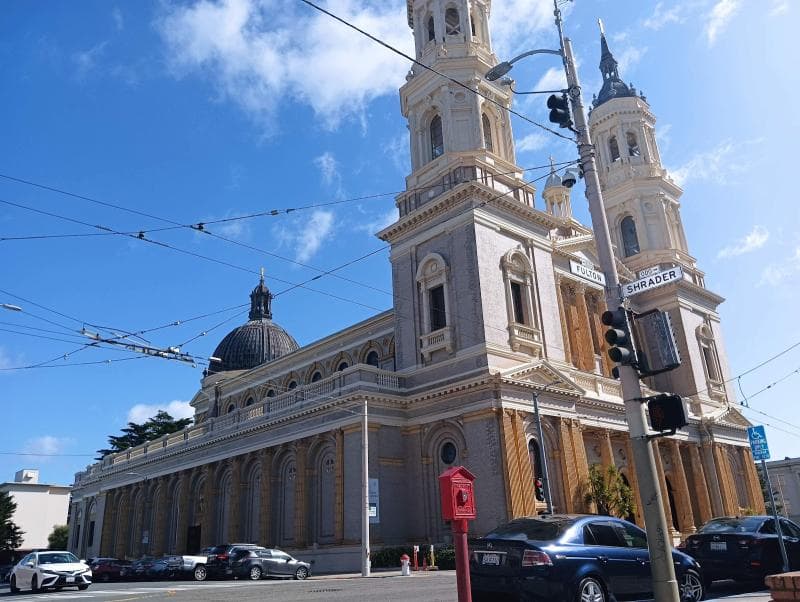
Explore Golden Gate Park in San Francisco, United States – a vast urban oasis with stunning gardens, museums, and rich history.
Overview
Golden Gate Park, nestled within the vibrant city of San Francisco, United States, stands as a remarkable urban oasis. Stretching over 1,017 acres, it surpasses New York's Central Park in size, offering a vast expanse of greenery and diverse attractions. This iconic park draws an estimated 24 million visitors annually, making it the third-most visited urban park in the United States. From its eastern edge near the Haight-Ashbury neighborhood to the Pacific Ocean in the west, Golden Gate Park provides a vital natural escape, brimming with gardens, museums, lakes, and winding trails that feel worlds away from the bustling city.
History & Cultural Background
The genesis of Golden Gate Park in the 1870s was a monumental undertaking. The area, then known as the 'Outside Lands,' consisted primarily of windswept sand dunes. City leaders envisioned a grand park, initially seeking input from Frederick Law Olmsted, who famously designed Central Park. However, Olmsted deemed the sandy terrain unsuitable. Undeterred, surveyor and designer William Hammond Hall, at just 25 years old, took on the challenge. Alongside master gardener John McLaren, he devised innovative methods to stabilize the sand using oats and barley, paving the way for extensive tree planting. By 1875, 60,000 trees had been planted, transforming the barren landscape into the lush park seen today.
The park played a significant role in San Francisco's history, notably after the devastating 1906 Earthquake and Fire. It served as a crucial sanctuary, housing approximately 200,000 displaced residents in temporary shelters and barracks. Over the decades, events like the 1894 California Midwinter International Exposition and the 1915 Panama-Pacific International Exposition further spurred the park's development and added to its cultural fabric, with the Music Concourse originating from the footprint of the 1894 fair.
What Makes It Special
Golden Gate Park is a treasure trove of unique attractions, offering something for every interest. The historic Conservatory of Flowers, opened in 1879, is a Victorian-era glasshouse brimming with exotic and tropical plants, including a philodendron thought to be over 100 years old. Nearby, the Japanese Tea Garden, the oldest public Japanese garden in the United States, invites peaceful contemplation with its traditional architecture, serene ponds, and lush plantings. Cultural institutions abound, including the de Young Museum, which showcases fine arts and offers free panoramic city views from its tower, and the California Academy of Sciences, an impressive complex housing an aquarium, planetarium, and natural history museum beneath a living roof.
Beyond these, the park boasts unexpected wonders like the Bison Paddock, home to a herd of American bison since the 1890s. Two historic Dutch windmills stand at the park's western edge, once used to pump irrigation water and now surrounded by beautiful tulip gardens. The park is also home to numerous specialized gardens, including the Shakespeare Garden with plants mentioned in his plays, the tranquil Rose Garden, and the vast San Francisco Botanical Garden featuring 9,000 different plant species from around the world.
Stories, Fun Facts & Local Details
- A Man-Made Oasis: Almost entirely man-made, the park's transformation from sand dunes into a lush landscape was a monumental feat of engineering and horticulture. Every single tree in the park was planted, with efforts beginning in 1872.
- Bison in the City: A surprising sight for many, the park has been home to a herd of American bison since 1891, a conservation effort aimed at preventing their extinction.
- McLaren's 'Stookies': John McLaren, the park's long-serving superintendent, was famously against statues, referring to them as 'stookies,' believing parks should remain natural spaces. Ironically, a statue of McLaren now stands in the park.
- Water Features: Despite its sandy origins, the park contains 10 lakes, many of which are man-made. These include Stow Lake, a popular spot for boating, and the interconnected 'Chain of Lakes.'
- Free Archery: The park offers a free archery range, making it the only free-range in the city for those who bring their own bow and arrows.
- The Name 'Golden Gate': The 'Golden Gate' name, proposed by Captain John C. Fremont in 1846, refers to the entrance of the San Francisco Bay, conjuring images of the Golden Horn of the Bosporus.
Visitor Perspective
Navigating Golden Gate Park is an experience in itself. While its size can seem daunting, numerous pathways, roads, and even a free weekend shuttle make exploration accessible. Several roads within the park are car-free, particularly on weekends, creating a peaceful environment for pedestrians, cyclists, and rollerbladers. Visitors can rent rowboats or pedal boats on Blue Heron Lake (formerly Stow Lake), discover hidden waterfalls like Huntington Falls on Strawberry Hill, or enjoy miniature yacht racing on Spreckels Lake. Birdwatchers will find a paradise here, and the park also offers activities like tennis, pickleball, and even horseback riding.
With its blend of cultivated beauty, educational institutions, recreational opportunities, and rich history, Golden Gate Park provides an unforgettable experience for every traveler. It's a place where you can spend an entire day immersed in nature, art, and culture, constantly discovering new facets of this remarkable San Francisco landmark.
Coordinates: -122.482, 37.768
View on Google Maps💬 How Travelers Describe This Place
Based on community votes
Photogenic
836Must See
287Interesting
255Beautiful
231Unique
86
Traveler Stories
Discover memorable experiences shared by travelers who have visited this place.
No traveler stories yet.
Be the first traveler to share what made this place memorable.
Things to see at Golden Gate Park



Tour
By
Spot
Discover amazing places around the world. Your journey starts here.
Explore
© 2026 TourBySpot. All rights reserved.