California Academy Of Sciences
San Francisco, United States
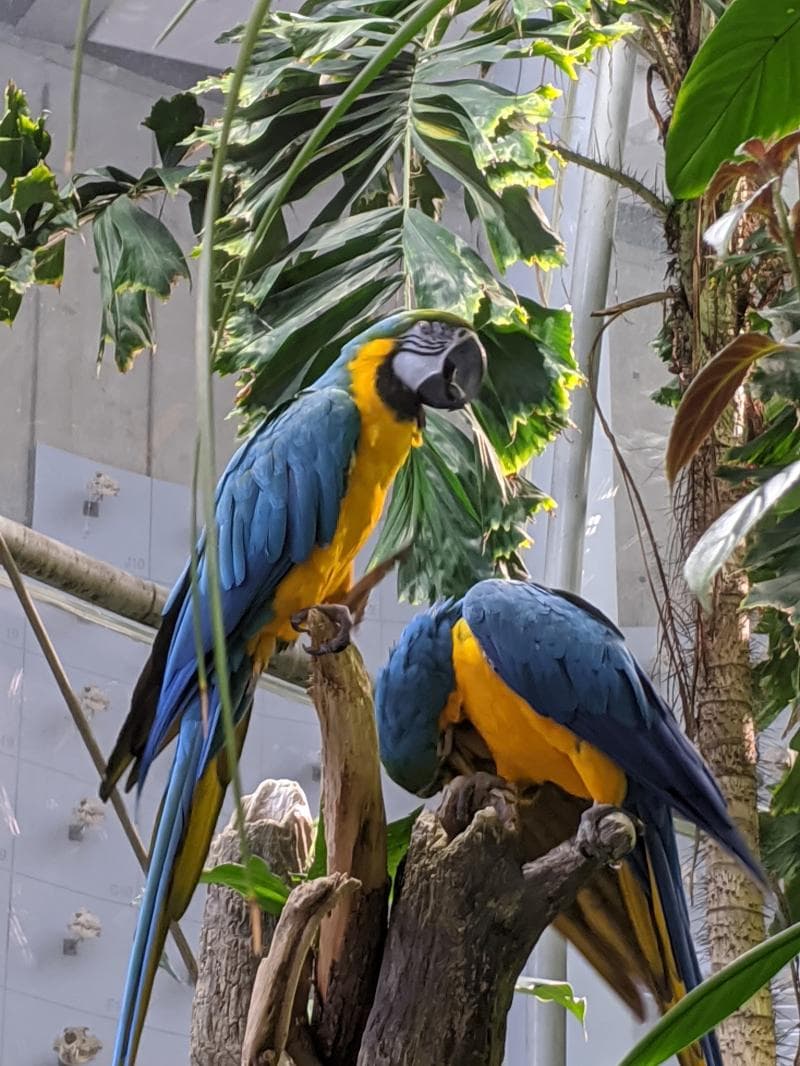
Explore the California Academy of Sciences in San Francisco, United States – a world-class museum, aquarium, planetarium, and rainforest.
Overview
Nestled within the vibrant Golden Gate Park in San Francisco, United States, the California Academy of Sciences stands as a beacon of natural history and scientific exploration. This esteemed institution is not merely a museum; it is a world-renowned research institute, a public aquarium, a planetarium, and a rainforest all under one magnificent living roof. Housing an astounding collection of over 46 million specimens, it ranks among the largest natural history museums globally, offering visitors an immersive journey through Earth's diverse ecosystems and beyond.
Completely rebuilt and reopened in 2008, the Academy's modern facility is a testament to sustainable design and architectural innovation, seamlessly integrating its various scientific departments and public exhibits into a cohesive and inspiring experience.
History & Cultural Background
The California Academy of Sciences boasts a rich and pioneering history, originating in 1853, just three years after California achieved statehood. Founded by seven visionary men in San Francisco, it became the first scientific academy established west of the Atlantic seaboard.
Initially a learned society dedicated to scientific research, its mission quickly expanded to include public education. The Academy opened its first official museum in 1874. A significant moment in its past occurred during the devastating 1906 San Francisco earthquake and fire. Though the Academy's Market Street building was destroyed, the heroic efforts of botanist Alice Eastwood saved many of its invaluable plant type specimens, a foundational act that allowed the herbarium to be rebuilt to contain over 300,000 specimens.
This resilience and dedication to preserving knowledge are deeply embedded in the Academy's cultural fabric, informing its ongoing commitment to research, environmental education, and sustainability. The current building, an architectural marvel by Renzo Piano, continues this legacy, symbolizing a harmonious blend of nature and innovation.
What Makes It Special
What truly sets the California Academy of Sciences apart is its unique integration of an aquarium, planetarium, rainforest, and natural history museum within a single, striking structure. Visitors can ascend into the lush, four-story Osher Rainforest, a towering glass dome teeming with free-flying birds, butterflies, enormous Amazonian fish, and a fascinating array of insect, amphibian, and reptile species.
Below, the Steinhart Aquarium captivates with nearly 40,000 live animals, including an vibrant Philippine Coral Reef and an engaging colony of African penguins. The Morrison Planetarium offers an unparalleled celestial journey under its 75-foot, all-digital dome, providing one of the most accurate and immersive views of the universe. Meanwhile, the Kimball Natural History Museum transports guests through time with captivating dioramas of African wildlife and thought-provoking exhibits exploring life's evolution on Earth.
Perhaps its most iconic feature is the Living Roof, an undulating expanse inspired by San Francisco's rolling hills, covered with 1.7 million native California plants. This ecological masterpiece is not just aesthetically pleasing but also serves a vital environmental function, showcasing cutting-edge sustainable design.
Stories, Fun Facts & Local Details
The Academy's origins are humble yet inspiring: it began with seven men in a candle-lit room, driven by a shared passion for science. Over the years, countless individuals have contributed to its legacy, including pioneering botanist Alice Eastwood, whose quick thinking saved priceless botanical specimens during the 1906 earthquake.
For those seeking an evening adventure, the Academy transforms every Thursday night for NightLife, an exclusive 21+ event offering a unique blend of music, cocktails, and science-themed exploration. Families can also look forward to special programs like Penguins+Pajamas Sleepovers, providing an unforgettable overnight experience alongside their favorite Academy animals.
A beloved resident and a fun fact for many is Claude, the startlingly white alligator, who resides in The Swamp exhibit, adding a touch of unique charm to the Academy's diverse animal collection.
Visitor Perspective
The California Academy of Sciences welcomes visitors to 55 Music Concourse Drive, located within Golden Gate Park in San Francisco, California. The Academy is generally open Monday through Saturday from 9:30 a.m. to 5 p.m., and Sundays from 11 a.m. to 5 p.m. Public transportation is highly recommended and often comes with the benefit of admission discounts, as parking in the nearby Music Concourse Garage can be competitive, especially on busy days.
To ensure a smooth visit, particularly during peak seasons or holidays, purchasing tickets in advance is advisable. For popular attractions like the Morrison Planetarium shows, reservations are required and can typically be made upon arrival at the Academy, though it's important to note that certain shows may not be suitable for very young children. The Academy also maintains a 'scent-free zone' policy, asking guests to be mindful of strong fragrances to ensure a comfortable experience for all visitors and staff.
Coordinates: -122.4664, 37.7701
View on Google Maps💬 How Travelers Describe This Place
Based on community votes
Beautiful
791Photogenic
613Unique
514Must See
457Interesting
207
Traveler Stories
Discover memorable experiences shared by travelers who have visited this place.
No traveler stories yet.
Be the first traveler to share what made this place memorable.

Tour
By
Spot
Discover amazing places around the world. Your journey starts here.
Explore
© 2026 TourBySpot. All rights reserved.