Conservatory Of Flowers
San Francisco, United States
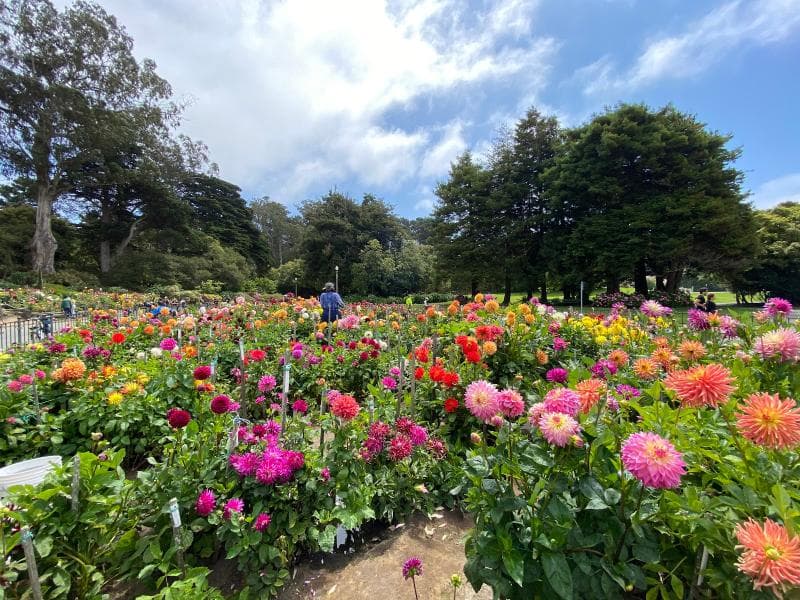
Explore the historic Conservatory of Flowers in San Francisco's Golden Gate Park. Discover rare tropical plants and Victorian architecture.
Overview
Nestled within the verdant expanse of Golden Gate Park in San Francisco, United States, stands the Conservatory of Flowers, a true architectural marvel and botanical treasure. This iconic Victorian-era greenhouse, crafted from wood and glass, holds the distinction of being the oldest public wood-and-glass conservatory in North America. It serves as a living museum, housing a spectacular collection of rare and exotic plants from tropical regions around the globe. More than just a beautiful building, the Conservatory of Flowers is a designated landmark, listed on the National Register of Historic Places, captivating visitors with its unique blend of history, architecture, and horticultural wonder.
History & Cultural Background
The story of the Conservatory of Flowers is as intricate and fascinating as the plants it protects. Its origins trace back to James Lick, a wealthy California pioneer and horticulture enthusiast, who, in the early 1870s, ordered two prefabricated conservatories from Lord and Burnham, a prominent American manufacturer. However, Lick passed away in 1876 before his vision could be fully realized, leaving the unassembled greenhouse in crates. In 1877 and 1878, a consortium of 27 prominent San Franciscans and philanthropists, including figures like Charles Crocker and Leland Stanford, acquired the crated structure, which amounted to 33 tons of glass. Their intention was to donate it to the City of San Francisco for public enjoyment within the newly developing Golden Gate Park.
The Conservatory officially opened its doors in 1879, quickly becoming Golden Gate Park's most visited attraction. Throughout its long history, the Conservatory has faced numerous challenges. A fire in 1883 destroyed its central dome, which was subsequently rebuilt with a donation from Charles Crocker, notably featuring a finial of the planet Saturn. It remarkably withstood the devastating 1906 earthquake with no serious damage. However, in December 1995, a severe windstorm caused catastrophic damage, shattering 40 percent of its glass and severely compromising its wooden frame, leading to its closure. A monumental five-year, $25 million restoration effort ensued, involving the painstaking dismantling and reassembly of the entire building, and strengthening it with new internal steel supports. The beloved landmark triumphantly reopened in 2003, meticulously restored to its original splendor.
What Makes It Special
Beyond its historical significance as North America's oldest public wood-and-glass conservatory, the Conservatory of Flowers is distinguished by its extraordinary botanical collections and unique architectural design. Its Victorian architecture, characterized by intricate wood and glass, creates a 'wedding cake' facade that is instantly recognizable. Inside, visitors are transported to diverse tropical ecosystems across five distinct galleries: Aquatic Plants, Lowland Tropics, Highland Tropics, Potted Plants, and the West Gallery, often featuring ferns.
The Conservatory is home to approximately 1,700 species of plants, many of which are rare and endangered. Highlights include a magnificent 100-year-old Imperial Philodendron, impressive carnivorous plants like pitcher plants, and stunning giant water lilies. The Highland Tropics gallery is particularly notable, being one of only a handful in the United States. It meticulously recreates the cool, misty cloud forests of tropical mountaintops, providing an ideal environment for its world-renowned collection of high-altitude orchids, some of which are epiphytes clinging to trees. In line with San Francisco's commitment to sustainability, the Conservatory employs integrated pest management, utilizing beneficial insects and even a population of geckos to control pests naturally.
Stories, Fun Facts & Local Details
The journey of the Conservatory's construction is rich with intriguing details. It is said that when James Lick died, the purpose for which he ordered the conservatories remained unclear. One local anecdote suggests that a second conservatory kit, also ordered by Lick, was never assembled in San Jose because a newspaper criticized his 'shabby dress'. The building itself is an engineering marvel, constructed with approximately 16,800 panes of glass and utilizing local old-growth redwood in its original infrastructure.
Throughout its history, the Conservatory has been a resilient fixture. After the 1906 earthquake, the Conservatory Valley outside became a temporary encampment for homeless survivors, highlighting its role within the community beyond its botanical purpose. Periodically, the Conservatory draws massive crowds when its rare 'corpse flower' (Amorphophallus titanum) blooms, known for its immense size and distinctive odor. In recent years, the Conservatory has embraced modern artistry with its nightly 'Photosynthesis' light show, projecting dynamic, colorful patterns onto its iconic facade after sunset, transforming the building into a vibrant canvas.
Visitor Perspective
Stepping inside the Conservatory of Flowers is often described as entering a tranquil, tropical paradise, a welcome escape from the city's urban bustle. The warm, humid air and lush foliage create an immersive experience, making one feel instantly transported to a steamy jungle. Visitors have the unique opportunity to get up close with rare and exotic plant species, many of which are seldom seen outside their native habitats. The distinct galleries offer a varied journey, from the serene aquatic ponds with their giant water lilies to the misty mountain environments of the Highland Tropics, where delicate orchids thrive. While exploring, it's advisable to remember that strollers are generally not permitted inside and the interior temperatures can exceed 85 degrees Fahrenheit (29 degrees Celsius).
Beyond its interior beauty, the Conservatory's picturesque exterior and surrounding flowerbeds make it a popular spot for photography and even weddings. Its location in Golden Gate Park also makes it easily accessible to other attractions, such as the San Francisco Botanical Garden, allowing for a comprehensive day of horticultural exploration. Whether you're a plant enthusiast or simply seeking a peaceful and visually stunning experience, the Conservatory of Flowers offers a memorable journey into the heart of the plant world.
Coordinates: -122.4603, 37.7726
View on Google Maps💬 How Travelers Describe This Place
Based on community votes
Beautiful
836Unique
797Photogenic
396Interesting
286Must See
255
Traveler Stories
Discover memorable experiences shared by travelers who have visited this place.
No traveler stories yet.
Be the first traveler to share what made this place memorable.

Tour
By
Spot
Discover amazing places around the world. Your journey starts here.
Explore
© 2026 TourBySpot. All rights reserved.