Windmills
San Francisco, United States
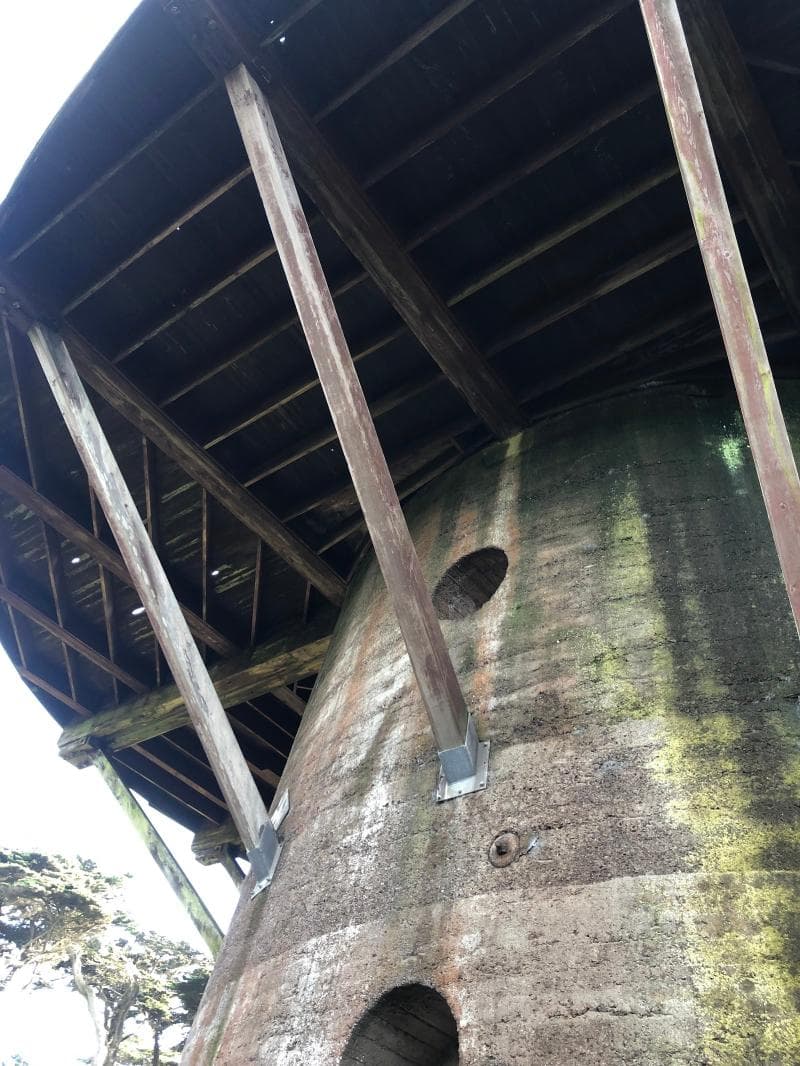
Discover the historic Windmills of Golden Gate Park, San Francisco, United States. Learn about the Dutch and Murphy Windmills' vital role in transforming sand dunes into a lush urban oasis.
Overview
At the western edge of San Francisco's expansive Golden Gate Park, two magnificent windmills stand as enduring symbols of the city's ingenuity and historical transformation. These impressive structures, known as the Dutch Windmill and the Murphy Windmill, were originally built in the early 20th century to serve a crucial purpose: irrigating the nascent parklands that were once barren sand dunes. Today, no longer functional in their original capacity, they remain cherished landmarks, offering visitors a picturesque journey into the past, surrounded by vibrant gardens like the Queen Wilhelmina Tulip Garden and the Murphy Windmill Garden.
These historic Dutch-style windmills provide a unique blend of engineering marvel, cultural heritage, and natural beauty, drawing visitors seeking tranquil strolls, stunning photography opportunities, and a deeper understanding of Golden Gate Park's remarkable development.
History & Cultural Background
The origins of the Golden Gate Park windmills trace back to the late 19th century when William Hammond Hall envisioned transforming over a thousand acres of desolate sand dunes into a lush urban oasis. The challenge was immense, primarily due to the lack of a reliable and affordable water source for irrigation. Initially, the city relied on expensive water from the Spring Valley Water Company.
To overcome this, park commissioners authorized the construction of windmills to pump groundwater from an aquifer near the ocean. The first, the Dutch Windmill, was completed in 1903. Designed by Alpheus Bull, Jr., this northern windmill was heralded as both useful and beautiful, capable of pumping up to 890,000 gallons of water daily and irrigating the western end of the park.
Its success prompted the construction of a second, even larger windmill. Samuel G. Murphy, president of the First National Bank, donated $20,000 for its creation, and the Murphy Windmill was completed in 1908 at the park's southwestern corner. It was designed to pump an astonishing 40,000 gallons of water per hour, making it one of the largest windmills of its kind in the world at the time.
Millwrights lived in small brick cottages on-site to maintain these massive machines, a demanding task given the coastal winds. However, the windmills' active service was relatively short-lived. By 1913, the introduction of more efficient electric pumps began to render them obsolete, and by 1935, both were fully decommissioned.
Decades of neglect led to their deterioration, with parts even repurposed for the World War II effort. A significant restoration movement, spearheaded by Eleanor Rossi Crabtree in 1964, eventually brought them back to their former glory. The Dutch Windmill underwent cosmetic restoration in 1981 and became functional again in 2009. The Murphy Windmill saw a more extensive, multi-phase restoration from 2002 to 2012, involving skilled Dutch millwrights who reconditioned its cap elements in Holland.
What Makes It Special
The Golden Gate Park windmills are exceptional for several reasons, primarily their pivotal role in the park's very existence. They were instrumental in transforming over a thousand acres of shifting sand dunes into the verdant landscape enjoyed today, demonstrating a remarkable feat of early 20th-century engineering and environmental adaptation.
Architecturally, they are striking examples of traditional Dutch windmill design transposed onto the Californian coast. The Murphy Windmill, in particular, was once considered the largest windmill of its kind outside of Holland, boasting immense 114-foot sails.
Beyond their engineering prowess, these windmills are surrounded by beautifully maintained gardens. The Queen Wilhelmina Tulip Garden, adjacent to the Dutch Windmill, bursts with vibrant color each spring, a gift from the Netherlands symbolizing international friendship. The restored structures, along with their picturesque settings, offer a serene escape and a tangible link to San Francisco's past, serving as Designated Landmarks.
Stories, Fun Facts & Local Details
The two windmills are affectionately known as the 'San Francisco Giants,' a nod to their monumental size and impact.
The Murphy Windmill once graced the silver screen, appearing in Charlie Chaplin's 1915 film 'The Jitney Elopement.'
In 1921, a daredevil named Velma Tilden famously rode the sails of the Murphy Windmill for 25 full rotations, winning $25 worth of chocolates for her feat.
Unlike traditional Dutch windmills, whose sails typically turn counterclockwise, the Golden Gate Park windmills' sails were designed to turn clockwise.
Each spring, the Dutch community in San Francisco celebrates King's Day at the Murphy Windmill, often with the motorized sails turning, connecting to their cultural heritage.
The diligent millwrights, like John L. Hammarstrom who served the Dutch Windmill for 20 years, resided in on-site cottages and played a vital role in the windmills' daily operation and upkeep.
Visitor Perspective
Visiting the windmills in Golden Gate Park offers a captivating experience for any curious traveler. Situated near the Pacific Ocean, they are easily accessible by public transport, car, or bike, with ample parking available.
The best time to witness their full splendor, especially the Queen Wilhelmina Tulip Garden, is during spring, from mid-March to late April, when thousands of tulips are in bloom, creating a breathtaking tableau of color against the windmills' historic backdrop.
While the interiors are generally not open to the public, visitors can admire the impressive architecture up close, learn about their history through informative plaques, and enjoy the surrounding landscaped areas perfect for picnics or leisurely walks. Observing the massive sails turn on windy days or during special events offers a rare glimpse into their operational grandeur. The serene atmosphere provides a perfect escape from the city's hustle, connecting you with a significant piece of San Francisco's heritage.
Coordinates: -122.5087, 37.7674
View on Google Maps💬 How Travelers Describe This Place
Based on community votes
Interesting
989Unique
613Photogenic
581Must See
514Beautiful
207
Traveler Stories
Discover memorable experiences shared by travelers who have visited this place.
No traveler stories yet.
Be the first traveler to share what made this place memorable.

Tour
By
Spot
Discover amazing places around the world. Your journey starts here.
Explore
© 2026 TourBySpot. All rights reserved.