Ginza
Tokyo, Japan
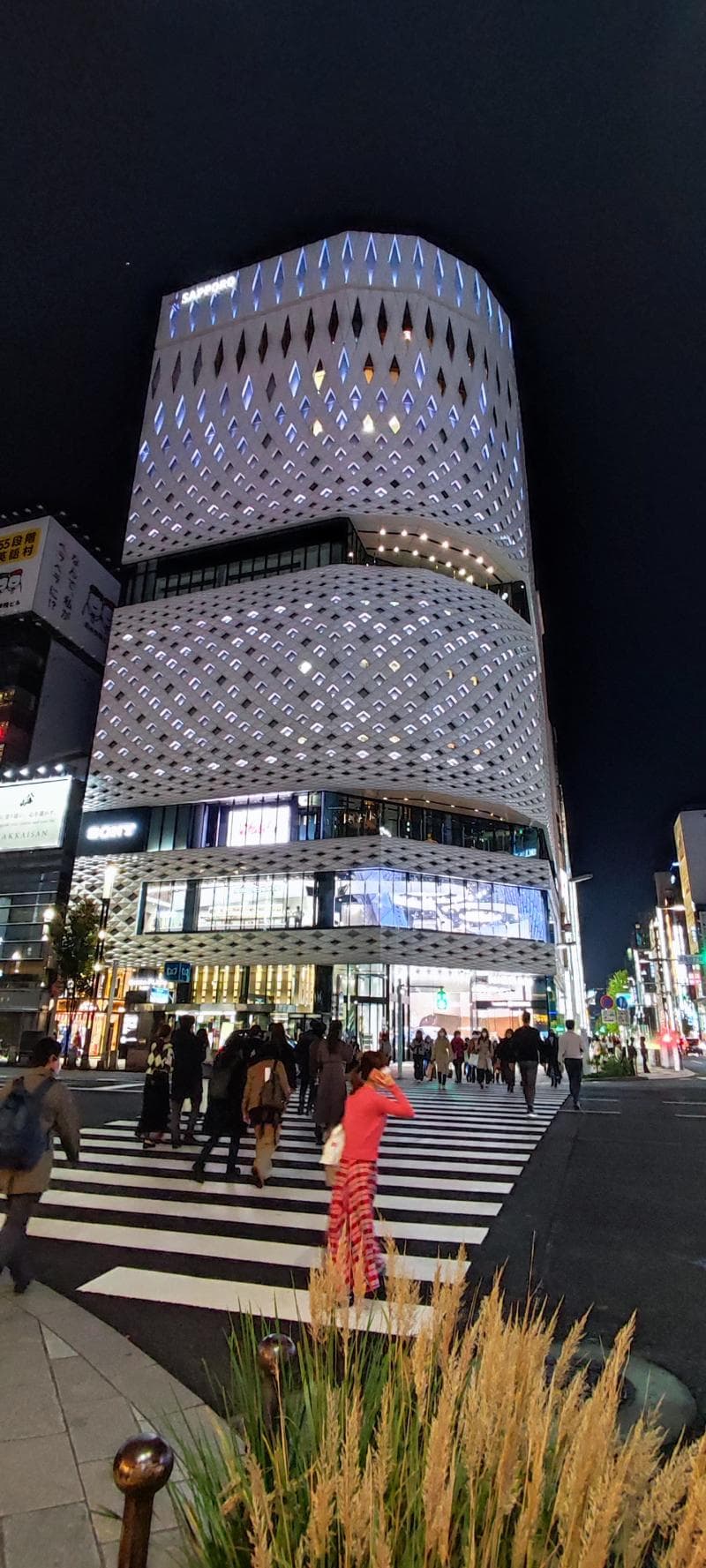
Explore Ginza, Tokyo's upscale district. Discover its rich history as a silver mint, luxury shopping, Kabuki theater, and unique Pedestrian Paradise.
Overview
Ginza, a dazzling district in the heart of Tokyo, Japan, stands as an iconic symbol of luxury, sophistication, and cultural evolution. Renowned globally as an upscale shopping, dining, and entertainment hub, Ginza offers a captivating blend of historic charm and cutting-edge modernity. It is a place where one can find world-class department stores, high-fashion boutiques, art galleries, and gourmet restaurants, attracting visitors with its polished elegance and vibrant atmosphere. The district's reputation for opulence is underscored by some of the highest land prices in Japan, yet it offers diverse experiences for every curious traveler.
History & Cultural Background
The story of Ginza begins not with glittering storefronts, but with a swamp. In the 16th century, this area was filled in, laying the groundwork for its future. The district's distinctive name, 'Ginza,' meaning 'silver mint,' originated in 1612 when the Edo Shogunate established a silver coin mint at what is now Ginza 2-Chome. Although its official designation was 'Shin-ryogae-cho' (new money exchange town), the colloquial name 'Ginza' endured.
A pivotal moment in Ginza's development occurred after a devastating fire in 1872. The Meiji government seized this opportunity to rebuild Ginza as a 'model of modernization,' commissioning a foreign architect, Thomas Waters, to design fireproof brick buildings and wider, well-paved streets in a Western style. This ambitious reconstruction transformed Ginza into a showcase of Western influence and a beacon of 'civilization and enlightenment.'
Following the 1923 Great Kanto Earthquake, Ginza further solidified its status as an upmarket shopping district. The interwar period of the 1920s and 1930s saw Ginza become a cultural epicenter, fostering the 'modan raifu' (modern life) lifestyle. It was here that 'modan gaaru' (modern girls) and 'modan booi' (modern boys), influenced by Western fashion and culture, would gather, giving rise to the term 'Ginzabura,' meaning to stroll leisurely through Ginza. Despite subsequent destruction during World War II, Ginza has consistently reinvented itself, harmonizing its rich heritage with contemporary trends.
What Makes It Special
Ginza's allure lies in its unique fusion of tradition and innovation. It's a premier destination for luxury shopping, featuring iconic department stores like Mitsukoshi and Matsuya, alongside modern complexes such as Ginza Six, which houses numerous international brands and even a Noh theater. The district is also home to flagship stores of major global brands and prestigious Japanese companies like Shiseido and Issey Miyake.
Beyond retail, Ginza is a significant cultural hub. The renowned Kabuki-za Theatre offers a window into traditional Japanese performing arts, with visitors often able to purchase single-act tickets for a taste of Kabuki. Art enthusiasts can explore various galleries, including the Shiseido Gallery and Gallery Koyanagi, showcasing diverse Japanese and international works. The district's culinary scene is equally impressive, ranging from Michelin-starred establishments to hidden bistros beneath elevated train tracks, providing a wide array of dining experiences.
Stories, Fun Facts & Local Details
- The name 'Ginza' itself carries historical weight, directly translating to 'silver mint,' a nod to its origins as a coin production site.
- A defining symbol of Ginza is the Hattori Clock Tower atop the Wako department store at Ginza 4-Chome, a landmark that has even made appearances in 'Godzilla' movies.
- One of Ginza's most cherished traditions is the 'Pedestrian Paradise' (Hokosha Tengoku). On weekend afternoons, the main thoroughfare, Chuo Dori, is closed to vehicular traffic, transforming into a vast, open promenade for pedestrians to stroll, window shop, and enjoy street-side cafes.
- Ginza is home to Itoya, a multi-story stationery store that is a paradise for paper and art supply enthusiasts, selling everything from fine pens to paint supplies.
- The district's land values are among the highest in the world, with some central areas exceeding ten million yen per square meter.
Visitor Perspective
Experiencing Ginza is about immersing oneself in its distinctive ambiance. Travelers can easily navigate the area thanks to multiple subway lines, including the Ginza, Marunouchi, and Hibiya Lines, with Ginza Station serving as a central access point.
A visit often entails leisurely 'Ginzabura' – strolling down Chuo Dori, especially during the weekend 'Pedestrian Paradise' hours, to admire the architecture, from historic landmarks to modern skyscrapers. Window shopping at luxury boutiques and browsing department stores like Ginza Mitsukoshi or Matsuya are popular activities, even if just to observe the displays. For those seeking cultural enrichment, catching a Kabuki performance or exploring the numerous art galleries offers profound insights into Japanese arts. Ginza also caters to varied palates, from exquisite fine dining to more casual eateries tucked away in its backstreets. Whether seeking high-end luxury or simply soaking in the sophisticated atmosphere, Ginza promises a memorable Tokyo experience where old and new coexist in elegant harmony.
Coordinates: 139.770592, 35.6720892
View on Google Maps💬 How Travelers Describe This Place
Based on community votes
Beautiful
923Interesting
672Photogenic
369Must See
309Unique
232
Traveler Stories
Discover memorable experiences shared by travelers who have visited this place.
No traveler stories yet.
Be the first traveler to share what made this place memorable.
Things to see at Ginza



Tour
By
Spot
Discover amazing places around the world. Your journey starts here.
Explore
© 2026 TourBySpot. All rights reserved.