Kabuki-za Theatre
Tokyo, Japan
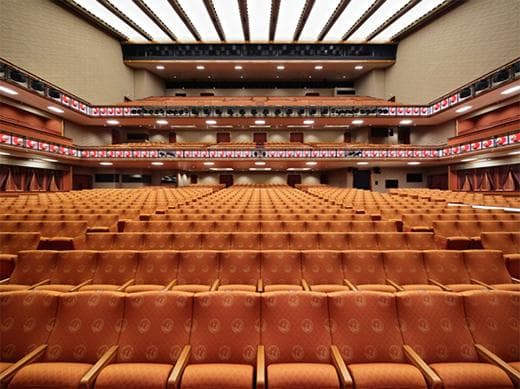
Discover the Kabuki-za Theatre in Ginza, Tokyo, Japan – the premier venue for traditional Kabuki drama. Explore its rich history, unique architecture, and vibrant performances.
Overview
The Kabuki-za Theatre, nestled in the vibrant heart of Ginza in Tokyo, Japan, stands as the premier venue dedicated to the traditional Japanese performing art of Kabuki. More than just a theater, it is a living testament to centuries of dramatic artistry, blending captivating drama, intricate dance, and evocative music. It serves as a vital cultural institution, safeguarding and presenting this UNESCO-recognized intangible cultural heritage to both local audiences and curious travelers from around the world.
History & Cultural Background
The history of Kabuki-za is as dramatic as the performances it hosts. The theater first opened its doors in November 1889, spearheaded by Meiji-era journalist Fukuchi Gen'ichirō, with the aim of elevating Kabuki as a national art form during Japan's modernization. Initially, it featured a hybrid architectural style, combining Western influences with traditional Japanese interiors.
However, the Kabuki-za has faced numerous trials by fire and disaster throughout its existence. The original wooden structure was destroyed by an electrical fire in 1921. Its reconstruction, intended to be fireproof and embody traditional Japanese styles, was severely damaged by the Great Kanto Earthquake in 1923 before completion. Rebuilding finished in 1924, showcasing a Baroque Japanese revivalist style reminiscent of ancient castles and temples. Tragically, the theater was again destroyed by Allied bombing during World War II in 1945. It was meticulously restored in 1950, preserving the 1924 style, and stood as a cherished landmark for decades.
The most recent iteration of Kabuki-za, its fifth, opened in April 2013 following demolition of the 1950 structure to address earthquake resistance and accessibility concerns. Managed by the Shochiku Corporation since 1914, the theatre has consistently maintained high artistic standards, promoting both classical and innovative Kabuki productions.
What Makes It Special
The Kabuki-za Theatre holds a unique distinction as the only theater in the world exclusively devoted to Kabuki performances. Its architecture is a breathtaking fusion of historical aesthetics and modern engineering. The current building, designed by renowned architect Kengo Kuma, integrates the traditional theatre with the contemporary Kabukiza Tower, a high-rise office building above. This design challenged conventional construction, utilizing a massive steel truss system to support the tower without columns impacting the theatre space.
Inside, Kabuki-za stages are famed for their elaborate mechanics, including revolving stages (*mawari-butai*) and trapdoors (*seri*) that allow for dramatic entrances, exits, and swift scene changes. A distinctive feature is the *hanamichi*, a long runway that extends through the audience, bringing performers closer to the viewers and enhancing the immersive experience.
Performances are organized monthly, typically running for about 25 days, with distinct afternoon and evening programs. This ensures a rotating repertoire of plays and dances, keeping the art form fresh and accessible. For international visitors, the theatre offers English audio guides and captioning services, which are invaluable for following the intricate narratives and appreciating the cultural nuances of the performance.
Stories, Fun Facts & Local Details
The very name 'Kabuki-za' was a bold innovation when the theatre first opened, deviating from the common practice of naming venues after their founders or locations. It intentionally highlighted the genre it showcased, signalling a new era for the art form. The current building's design not only preserves the iconic traditional facade, including its characteristic tiled roof and *karahafu* gables, but also incorporates modern touches.
On the fifth floor of the Kabukiza Tower, accessible to the public, there's a rooftop garden. It's rumored that finding a specific phoenix tile on the roof, which faces the opposite direction of the others, will bring great happiness to the discoverer. Kabuki itself is celebrated for the tradition of *onnagata*, male actors who specialize in portraying female roles. This practice emerged in the 17th century after women were banned from the stage, and these actors have profoundly shaped the idealized representation of femininity in Japanese arts.
Unlike many Western theatrical productions that present an entire story, Kabuki performances often focus on showcasing the most exciting or dramatically resonant sections of a longer narrative, providing a concentrated burst of theatrical brilliance.
Visitor Perspective
Conveniently located in Ginza, the Kabuki-za Theatre is easily accessible. Visitors can enjoy direct subway access from Higashi Ginza Station or a short walk from Ginza Station, making it an ideal destination to combine with exploring Ginza's upscale shopping and dining. For those new to Kabuki or with limited time, the theatre offers 'single-act tickets' (*Hitomaku-mi*), allowing guests to experience just one captivating act without committing to a full-length performance.
English audio guides and recently introduced captioning services are highly recommended to enhance understanding of the dialogue, songs, and historical context, bridging the language barrier for international guests. Beyond the main performances, the Kabuki-za complex offers on-site Japanese restaurants and shops where visitors can purchase unique Kabuki-related souvenirs. Additionally, the Kabukiza Gallery, located on the fifth floor of the adjacent tower, provides free admission to view costumes and props, offering a glimpse into the world of Kabuki even without a show ticket.
Coordinates: 139.7681, 35.6697
View on Google Maps💬 How Travelers Describe This Place
Based on community votes
Photogenic
480Must See
194Unique
152Interesting
118Beautiful
88
Traveler Stories
Discover memorable experiences shared by travelers who have visited this place.
No traveler stories yet.
Be the first traveler to share what made this place memorable.

Tour
By
Spot
Discover amazing places around the world. Your journey starts here.
Explore
© 2026 TourBySpot. All rights reserved.