Fine Dining Streets
Tokyo, Japan
Overview
Ginza, located in Tokyo, Japan, is globally recognized as an epicenter of luxury, culture, and, most notably, fine dining. While there isn't a single designated 'Fine Dining Street,' the entire district of Ginza functions as a sprawling, sophisticated culinary landscape. Its polished boulevards, elegant backstreets, and even the basements of its iconic department stores house an unparalleled concentration of high-end restaurants. Ginza seamlessly blends traditional Japanese gastronomy with international culinary excellence, offering an extraordinary journey for discerning palates. From intimate sushi counters serving Edomae-style masterpieces to Michelin-starred French and Italian establishments, the district promises an unforgettable gastronomic experience in an atmosphere of refined elegance.
History & Cultural Background
Ginza's prestige dates back to the Edo period (1603-1867), when it was home to a silver coin mint, giving the district its name, which means 'silver mint.' Following a devastating fire in 1872, Ginza was rebuilt with Western-style brick buildings, quickly becoming a symbol of modernity and a hub for refined culture in Japan. This historical trajectory laid the groundwork for its current reputation as a sophisticated urban center. The introduction of Western influences in the late 19th and early 20th centuries, including the opening of cafes and foreign restaurants, further cemented Ginza's role as a trendsetter. Department stores, which began to emerge in the early 20th century, played a significant role by integrating dining options, including Western cuisine, into their offerings, creating social hubs for families and businesspeople.
What Makes It Special
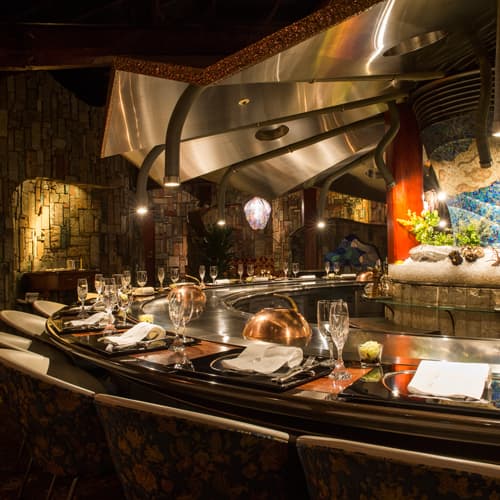
What sets Ginza apart as a fine dining destination is its extraordinary concentration of top-tier restaurants, many of which boast Michelin stars. The district is celebrated for its commitment to culinary discipline, seasonality, and impeccable hospitality. Here, master chefs meticulously craft dishes using the finest ingredients, whether it's sushi with daily-sourced seafood from Tokyo's markets, exquisite wagyu beef prepared in various traditional and modern styles, or innovative interpretations of French and Italian cuisine. The dining scene caters to a wide array of preferences, from omakase experiences at world-renowned sushi establishments like Sukiyabashi Jiro to refined kaiseki meals and lively teppanyaki shows. This blend of traditional Japanese culinary arts with cutting-edge international influences, all presented with an unwavering commitment to quality, truly defines Ginza's special allure.
Stories, Fun Facts & Local Details
A fun fact rooted in Ginza's history is the term 'Ginbura,' which emerged around 1915. It describes the leisurely act of 'strolling through Ginza,' often involving window-shopping and soaking in the district's sophisticated atmosphere. This tradition continues today, especially on weekends when Ginza's main thoroughfare, Chuo Dori, transforms into a 'pedestrian paradise,' allowing visitors to wander freely and discover its hidden culinary gems. Many of Ginza's most exclusive restaurants are discreetly tucked away on upper floors of buildings or down quiet alleys, adding an element of discovery to the dining experience. While the main streets offer grand establishments, exploring the smaller backstreets reveals numerous tiny yet exquisite bistros. The proximity to the former Tsukiji Fish Market (now Toyosu) has historically ensured an abundance of the freshest seafood for Ginza's sushi and seafood restaurants.
Visitor Perspective
For visitors keen to explore Ginza's fine dining scene, planning ahead is key. Many high-end restaurants, especially those with Michelin stars or limited seating, require reservations weeks or even months in advance. While Ginza is synonymous with luxury, it also offers a surprising range of dining experiences across different price points, including excellent lunch options at prestigious establishments that might be more accessible than dinner. Beyond the grand dining rooms, the food halls, or 'depachika,' in the basements of department stores like Ginza Mitsukoshi, offer gourmet delicacies, prepared foods, and sweets, providing a more casual yet still high-quality culinary exploration. Navigating Ginza is convenient, with several Tokyo Metro lines serving Ginza Station, making it easily accessible from various parts of the city. Exploring Ginza's fine dining is not just about eating; it's an immersive cultural experience that engages all the senses, reflecting Tokyo's blend of tradition and modernity.
Coordinates: 139.765, 35.67
View on Google Maps💬 How Travelers Describe This Place
Based on community votes
Beautiful
838Must See
685Unique
421Interesting
194Photogenic
88
Traveler Stories
Discover memorable experiences shared by travelers who have visited this place.
No traveler stories yet.
Be the first traveler to share what made this place memorable.

Tour
By
Spot
Discover amazing places around the world. Your journey starts here.
Explore
© 2026 TourBySpot. All rights reserved.