Luxury Boutiques
Tokyo, Japan
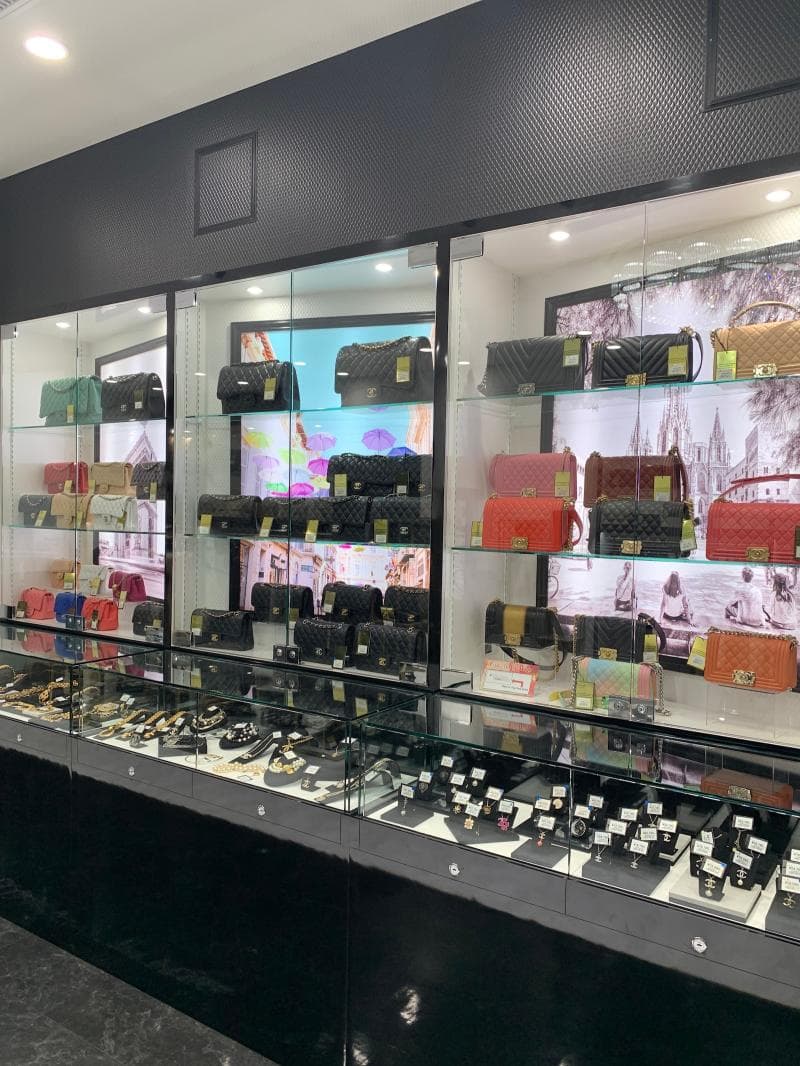
Discover Ginza's luxury boutiques in Tokyo, Japan. Explore a rich history, iconic department stores, designer flagships, and unique cultural experiences.
Overview
Ginza, nestled in the heart of Tokyo, Japan, stands as an iconic testament to luxury, elegance, and refined taste. This esteemed district is renowned globally as a premier destination for high-end shopping, exquisite dining, and sophisticated entertainment. Ginza seamlessly blends a rich historical tapestry with cutting-edge modernity, offering a unique urban experience. Visitors can explore a dazzling array of world-class department stores, exclusive luxury boutiques, vibrant art galleries, and acclaimed restaurants and cafes. The area boasts some of Japan's most expensive real estate, underscoring its status as a hub of affluence. On weekend afternoons, the main thoroughfare, Chuo Dori, transforms into a 'Pedestrian Paradise,' inviting leisurely strolls and window shopping in a car-free environment.
History & Cultural Background
The story of Ginza begins in the early Edo period. Its very name, 'Ginza,' translates to 'silver mint' in Japanese, a direct nod to its origins as the site of a silver coin mint established by the Tokugawa shogunate in 1612. After the mint relocated in 1800, the area evolved into a commercial quarter. Ginza's modern identity began to take shape following a devastating fire in 1872. The Meiji government seized this as an opportunity to modernize, rebuilding Ginza with broad boulevards and Western-style brick architecture, a significant departure from traditional wooden structures. This reconstruction, overseen by British architect Thomas James Waters, transformed Ginza into a symbol of Japan's 'civilization and enlightenment' (bunmei kaika) and its embrace of Western influence.
The district was further reshaped after the Great Kanto Earthquake of 1923, emerging even grander as an upscale shopping mecca. Historic department stores like Mitsukoshi, with roots dating back to 1673 and a defining Ginza presence since 1930, and Matsuya, established in 1869 and opening in Ginza in 1925, pioneered the concept of high-end retail in Japan. In the early 20th century, Ginza also flourished as a cultural and intellectual hub, drawing writers, artists, and thinkers to its cafes, creating an atmosphere akin to European salons.
What Makes It Special
Ginza's luxury boutiques are distinguished by several unique characteristics. The district is home to flagship stores of the world's most prestigious international brands, including Chanel, Louis Vuitton, Dior, Gucci, and Hermès. Many of these edifices are architectural marvels, designed by celebrated architects to be statements in themselves, like Louis Vuitton's building on Namiki-dori with its shifting glass facade. Alongside these global maisons, Ginza celebrates revered Japanese luxury, exemplified by traditional department stores such as Wako, Mitsukoshi, and Matsuya. These establishments are renowned for their meticulous service, elaborate window displays, and a keen eye for detail that define the Japanese approach to luxury retail. The iconic clock tower of the Wako building at the Ginza 4-chome intersection serves as a timeless symbol of the district's enduring elegance.
More recent additions, such as Ginza Six, which opened in 2017, further enhance its appeal. This expansive complex integrates luxury shopping with art installations, a Noh theatre, and a serene rooftop garden, offering a comprehensive lifestyle experience. The blend of international prestige and profound Japanese heritage in design and craftsmanship makes Ginza an unparalleled luxury destination.
Stories, Fun Facts & Local Details
One fascinating aspect of Ginza's charm is the historical pastime known as 'Ginzabura' or 'Gin-bura'. Coined around the 1910s and 1920s, this term describes the leisurely act of wandering aimlessly through Ginza, soaking in its sophisticated atmosphere and marveling at its shops and modern attractions. It captured the spirit of a new era where Japanese people embraced Western fashions and a more relaxed, urbane lifestyle. Interestingly, the district was once met with disdain by some foreigners who found its new brick buildings too 'Western' and compared it to places like Broadway, often not as a compliment. However, locals adored this new cityscape, which offered a taste of foreign sophistication previously unimaginable.
A delightful local legend suggests that when the Wako clock chimes, time itself briefly pauses in Ginza, adding to the district's mystique. Ginza has often been called a 'phoenix,' consistently rising from the ashes of fires, earthquakes, and wartime destruction, each time rebuilding grander and more resilient, embodying Japan's unwavering spirit. Its widespread influence is evident as many other shopping areas across Japan have adopted the '-ginza' moniker, hoping to replicate its success and prestige. Beyond fashion, Ginza's department stores are famous for their 'depachika'—elaborate basement food halls that are a gourmet's paradise, offering an array of local and international delicacies. For unique finds, stores like Itoya, a multi-story stationery emporium, showcase the meticulous craftsmanship and design Japan is celebrated for.
Visitor Perspective
For any curious traveler, exploring Ginza offers a memorable journey through luxury and culture. The ideal time to visit is during weekend afternoons when the 'Pedestrian Paradise' closes Chuo Dori to vehicle traffic. This allows for an unhurried experience, enabling visitors to admire the architectural splendor of the flagship stores, enjoy outdoor cafes, and simply partake in the modern-day 'Ginzabura.' While the main streets offer grand displays, venturing into the charming side streets often reveals hidden gems, unique boutiques, and quieter dining options. The service within Ginza's establishments is exceptionally refined and attentive, reflecting Japan's high standards of hospitality. Whether one is seeking cutting-edge fashion, traditional Japanese crafts, or simply an immersive cultural experience, Ginza provides a curated world of elegance and discovery.
Coordinates: 139.764, 35.67
View on Google Maps💬 How Travelers Describe This Place
Based on community votes
Beautiful
780Photogenic
767Interesting
295Unique
112Must See
95
Traveler Stories
Discover memorable experiences shared by travelers who have visited this place.
No traveler stories yet.
Be the first traveler to share what made this place memorable.

Tour
By
Spot
Discover amazing places around the world. Your journey starts here.
Explore
© 2026 TourBySpot. All rights reserved.