Ginza Six
Tokyo, Japan
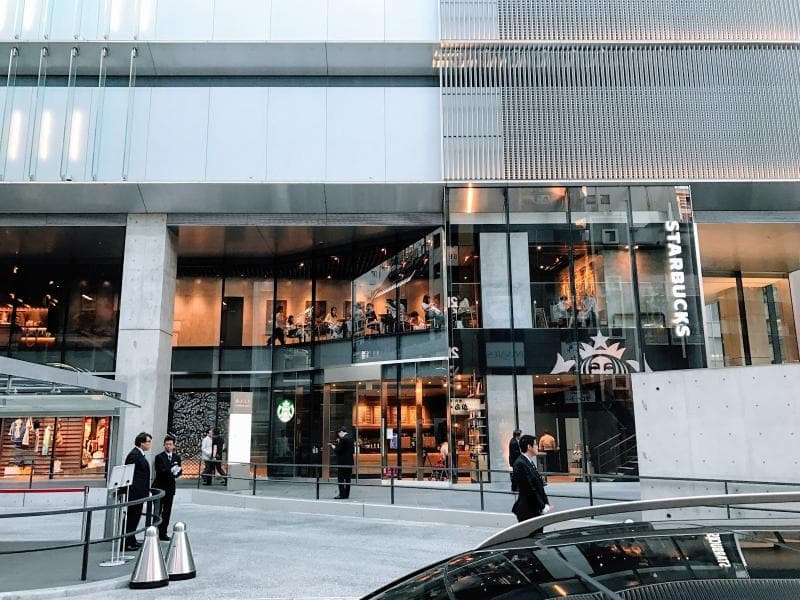
Explore Ginza Six in Tokyo, Japan, a luxury shopping complex offering high-end fashion, exquisite dining, contemporary art, and a serene rooftop garden.
Overview
Ginza Six is a prominent luxury shopping complex situated in the heart of Ginza, Tokyo, Japan. Opened on April 20, 2017, after its inauguration on April 17, 2017, it quickly established itself as the largest retail facility in the Ginza district. Spanning an impressive total floor area of approximately 148,700 square meters, with 47,000 square meters dedicated to retail, the complex offers a sophisticated blend of shopping, dining, art, and culture. The name 'Ginza Six' not only denotes its precise location in Ginza 6-chome but also reflects the aspiration to provide an exceptional 'six-star' experience. This multi-functional urban hub houses over 240 stores, ranging from world-renowned luxury brands to unique Japanese labels, alongside numerous restaurants and cafes. Beyond its commercial offerings, Ginza Six integrates office spaces, a stunning rooftop garden, a traditional Noh theater, and comprehensive tourist services, making it a pivotal cultural and lifestyle destination in Tokyo.
History & Cultural Background
Ginza Six stands on a site rich with history, occupying the former location of the Matsuzakaya department store, which was Ginza's first and opened its doors in 1924. This lineage grounds the modern complex in Ginza's long-standing tradition as a hub of style and commerce. The ambitious project was a collaborative effort by Mori Building Company, J. Front Retailing, Sumitomo Corporation, and L Catterton Real Estate. Architect Yoshio Taniguchi, known for his work on the Museum of Modern Art in New York, designed Ginza Six, aiming for a delicate balance between traditional Japanese aesthetics and futuristic architectural innovation. The building's facade, for instance, draws inspiration from traditional Japanese *noren* (shop curtains) and the subtle play of sunrays. Internally, French designer Gwenael Nicolas crafted the majestic central atrium, which serves as the facility's artistic core. The overarching concept, 'Life At Its Best,' guides every aspect of Ginza Six, striving to deliver experiences that are not only high-end but also profoundly fulfilling and creative.
What Makes It Special
Ginza Six distinguishes itself through several unique features that elevate it beyond a mere shopping center. Its architectural design by Yoshio Taniguchi is a masterpiece, seamlessly blending Japanese heritage with contemporary elegance. A vibrant art program, curated by Fumio Nanjo of the Mori Art Museum, is central to Ginza Six's identity, emphasizing modern Japanese art. Visitors are often greeted by rotating art installations in the central atrium from renowned artists such as Yayoi Kusama, Patrick Blanc, and Daniel Buren, transforming the space into a dynamic art gallery. The 'living wall' or 'living canyon,' a vertical garden adorned with plants by botanist Patrick Blanc, is another remarkable artistic and ecological feature.
Perhaps the most celebrated feature is the Ginza Six Garden, the largest rooftop garden in the Ginza area, spanning 4,000 square meters and situated 56 meters above street level. This urban oasis offers breathtaking 360-degree panoramic views of Tokyo's skyline, including iconic landmarks like Tokyo Tower and the SkyTree, and even Mount Fuji on exceptionally clear days. Designed to integrate Edo-era garden traditions with modern urban park elements, it features cherry and maple trees, tranquil water features, and lush green spaces, providing a peaceful retreat. The garden also hosts evolving art installations, such as 'A Tree' which incorporates Yoshino cedar, inviting interaction and reflection.
Culturally, Ginza Six is home to the Kanze Noh Theater, a 480-seat venue in the basement that is the base for the esteemed Kanze School troupe, continuing a 700-year-old tradition of Noh performance. This provides a rare opportunity to experience traditional Japanese performing arts, made accessible to international visitors through subtitle systems. Additionally, the Ginza Tsutaya Books on the 6th floor is a destination in itself, offering a vast and curated selection of art and design books.
Stories, Fun Facts & Local Details
The name 'Ginza Six' carries a dual meaning; it signifies the building's address in Ginza 6-chome and the ambitious goal of delivering a 'six-star' luxury experience to its visitors. The intricate design details throughout the complex are a subtle nod to Japanese heritage. For instance, the main atrium's ceiling features the *asanoha* pattern, a traditional hemp leaf motif, which adds a warm and inviting atmosphere. The building itself is not just a commercial space but also designed with community and public safety in mind, capable of serving as an evacuation zone during natural disasters.
Ginza Six is seen as a key point for cultural transmission, projecting Ginza's unique blend of tradition and modernity to a global audience. For food enthusiasts, the basement hosts a high-end *depachika*, a gourmet food hall offering a wide array of exquisite Japanese and international delicacies, often with seasonal specialties. The commitment to art is evident beyond the grand installations, with smaller, engaging pieces found in elevator halls and corridors, encouraging visitors to discover art in unexpected places.
Visitor Perspective
For any curious traveler, Ginza Six offers a compelling experience that extends far beyond typical retail therapy. It's a place where high-end shopping merges with cultural enrichment and tranquil escapes. Visitors can explore flagship stores of global luxury brands and discover unique Japanese designers, making it a prime destination for fashion and lifestyle enthusiasts. The diverse dining options, ranging from casual cafes to upscale restaurants, cater to every palate. Whether one is admiring the contemporary art installations, unwinding in the expansive rooftop garden with its breathtaking views, or immersing oneself in a traditional Noh performance, Ginza Six provides a multi-sensory journey.
The complex is designed for convenience, offering essential services such as a tourist information center, currency exchange, and tax exemption counters, catering specifically to international visitors. Its accessibility is another strong point, being just a two-minute walk from Ginza Station's Exit A3, connecting directly to major subway lines. Ginza Six presents itself as a microcosm of modern Tokyo – a place where cutting-edge trends and timeless traditions coexist, offering both world-class luxury and genuine cultural insights in a single, sophisticated setting.
Coordinates: 139.7640806, 35.6695694
View on Google Maps💬 How Travelers Describe This Place
Based on community votes
Photogenic
480Must See
194Unique
152Interesting
118Beautiful
88
Traveler Stories
Discover memorable experiences shared by travelers who have visited this place.
No traveler stories yet.
Be the first traveler to share what made this place memorable.

Tour
By
Spot
Discover amazing places around the world. Your journey starts here.
Explore
© 2026 TourBySpot. All rights reserved.