Chuo-dori
Tokyo, Japan
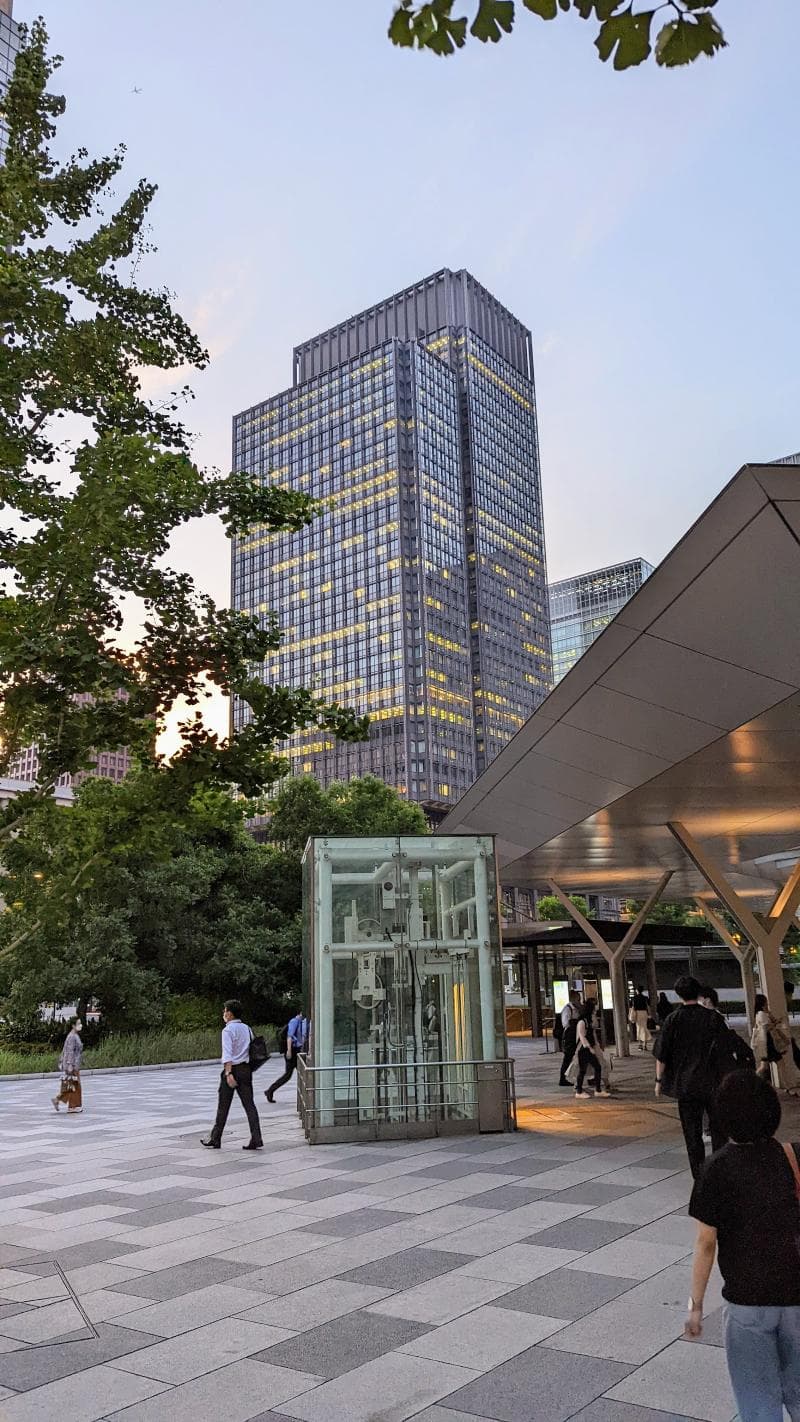
Explore Chuo-dori in Ginza, Tokyo, Japan – a historic avenue where luxury shopping meets cultural heritage. Discover its pedestrian paradise weekends.
Overview
Chuo-dori, nestled within Tokyo's vibrant Ginza district, stands as the principal thoroughfare of this globally recognized luxury hub. It is an iconic street where Japan's rich history elegantly intertwines with cutting-edge modernity. Known for its sophisticated atmosphere, Chuo-dori offers a unique experience, especially on weekends and national holidays when it transforms into a 'pedestrian paradise,' inviting visitors to stroll freely amidst its grand architecture and upscale establishments.
This bustling avenue is flanked by flagship stores of international luxury brands and venerable Japanese department stores, making it a premier destination for shopping and cultural exploration. Beyond its commercial allure, Chuo-dori is a living testament to Tokyo's evolution, offering insights into its past while showcasing its present as a trendsetter.
History & Cultural Background
The name 'Ginza' itself, meaning 'silver mint,' hints at the district's historical significance, tracing its origins back to the Edo period when a silver coin mint was established here in 1612. Chuo-dori's brilliance, however, truly began to shine after the devastating Great Ginza Fire of 1872. The Meiji government seized this opportunity to rebuild Ginza as Japan's first Western-style avenue, featuring brick buildings, gas lamps, and wide lanes, symbolizing the nation's ambitious leap into modernity.
This ambitious reconstruction set the stage for Ginza to become a forefront of Western culture and commerce in Japan. Over time, Chuo-dori emerged as a showcase for architectural innovation and luxury. The cultural phenomenon of 'Gin-bura,' meaning to wander around Ginza, emerged in the early 20th century, highlighting that simply experiencing the street became a fashionable activity, far beyond mere shopping.
What Makes It Special
What truly sets Chuo-dori apart is its metamorphosis into a 'pedestrian paradise' (Hokōsha Tengoku) every Saturday, Sunday, and national holiday. During these times, approximately 1.1 kilometers of the street, from Ginza-dori-guchi to Ginza 8-chome, are closed to vehicular traffic. This allows visitors to reclaim the asphalt, transforming the busy road into a serene promenade where people can leisurely walk, enjoy street performances, or simply relax at temporary seating areas.
The avenue is home to iconic landmarks such as the Ginza Wako building with its famous clock tower and the expansive Ginza Mitsukoshi and Matsuya Ginza department stores, which have defined Ginza for generations. The architectural tapestry along Chuo-dori is a fascinating blend of historic structures and striking contemporary designs, reflecting Tokyo's continuous evolution.
Stories, Fun Facts & Local Details
The very name 'Ginza' originates from the 'Ginza Yakusho,' the silver coin mint established in the Edo period. A monument marking the 'Birthplace of Ginza' can be found near Tiffany's flagship store on Chuo-dori, at the site where the mint once stood.
Beyond its grand facades, Ginza's Chuo-dori and its surrounding alleys boast a rich culinary heritage. For instance, Ginza Sembikiya, a long-established fruit shop near Chuo-dori, is credited as the birthplace of Japan's first fruit punch. Similarly, Shiseido Parlour, founded in 1902, became Japan's first soda fountain and introduced the 'ice cream soda' to the country. Ginza Wakamatsu on Chuo-dori is also known as the birthplace of 'Anmitsu,' a traditional Japanese sweet.
For a unique perspective, visitors can ascend to the free rooftop garden at GINZA SIX, offering elevated views of the Ginza streetscape and an interesting contrast to the bustling street below.
Visitor Perspective
Experiencing Chuo-dori is best done on a weekend afternoon when the street is transformed into its 'pedestrian paradise.' This allows for an unhurried exploration of the district, where one can truly appreciate the scale of the buildings and the flow of people.
While the main street draws attention with its luxury boutiques and department stores, stepping just one block off Chuo-dori reveals a different, quieter side of Ginza. Here, you'll discover charming small boutiques, art galleries, traditional coffee houses (kissaten), and tucked-away bars, offering a more intimate glimpse into the area's character. Whether admiring architectural marvels, indulging in retail therapy, or savoring local delicacies, Chuo-dori provides a sophisticated and culturally rich experience for every traveler.
Coordinates: 139.770592, 35.6720892
View on Google Maps💬 How Travelers Describe This Place
Based on community votes
Interesting
778Photogenic
413Must See
195Beautiful
108Unique
12
Traveler Stories
Discover memorable experiences shared by travelers who have visited this place.
No traveler stories yet.
Be the first traveler to share what made this place memorable.

Tour
By
Spot
Discover amazing places around the world. Your journey starts here.
Explore
© 2026 TourBySpot. All rights reserved.