Getty Center
Los Angeles, United States
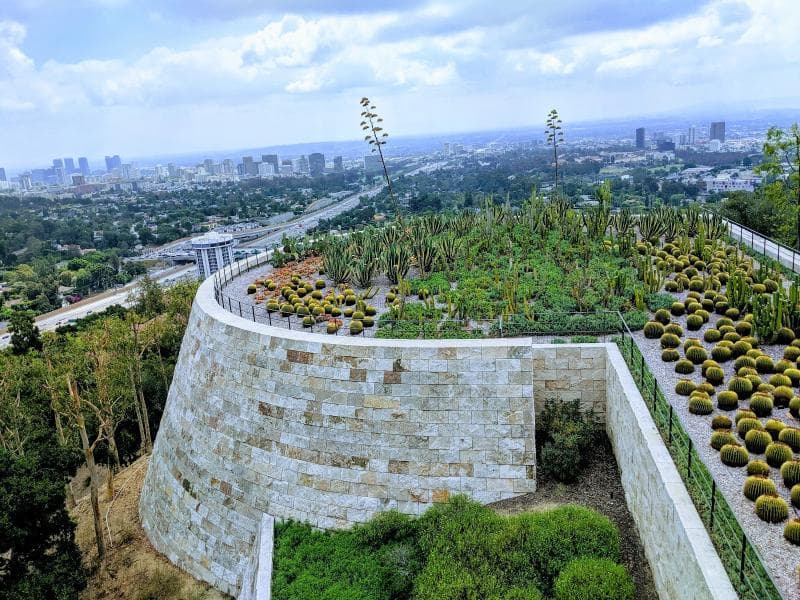
Explore the Getty Center in Los Angeles, United States. Discover world-class art, stunning architecture, and Robert Irwin's Central Garden, all with panoramic city views.
Overview
Perched high in the Brentwood hills of Los Angeles, California, the Getty Center stands as a beacon of art, architecture, and natural beauty. This expansive campus, a significant part of the J. Paul Getty Trust, first welcomed visitors on December 16, 1997. It is internationally recognized for its distinctive modern architecture, meticulously cultivated gardens, and the breathtaking panoramic vistas it offers across the city, the Pacific Ocean, and the surrounding mountains. The Getty Center houses a remarkable collection of pre-20th-century European paintings, drawings, illuminated manuscripts, sculpture, and decorative arts, alongside an extensive photography collection spanning from the 1830s to the present day. Admission to this cultural landmark is free of charge, though a parking fee applies, with most visitors commencing their journey via an engaging tram ride from the parking garage at the base of the hill to the hilltop complex.
History & Cultural Background
The vision for the Getty Center originated with the prodigious art collector and oil magnate, J. Paul Getty. His passion for art led him to begin accumulating pieces in the 1930s, initially exhibiting them in an added wing of his ranch house in Pacific Palisades. As his collection expanded dramatically, a dedicated museum was constructed nearby, a stunning replica of an ancient Roman villa, which opened in 1974 and is now known as the Getty Villa. Following Getty's death in 1976, he bequeathed the majority of his immense estate to the J. Paul Getty Museum Trust, solidifying its status as one of the world's wealthiest art institutions. Recognizing the need for a larger, more centrally located, and accessible venue to accommodate the burgeoning collections and diverse programs of the Getty Trust, plans for the Getty Center began to take shape. Construction commenced in 1988 on a sprawling 110-acre site in Los Angeles' Brentwood neighborhood, ultimately culminating in its grand opening in 1997 after a build period of nearly a decade and a reported cost of 1.3 billion dollars.
What Makes It Special
The Getty Center is a multifaceted marvel, distinguished by several key elements that captivate every visitor.
- Architectural Grandeur: Designed by the acclaimed architect Richard Meier, a Pritzker Architecture Prize laureate, the campus is a harmonious blend of form and landscape. Meier utilized two naturally occurring ridges on the site, aligning the galleries along one axis and administrative buildings along another, creating an intentional flow. The buildings are clad in a unique combination of cream-colored travertine limestone, sourced from the same Italian quarry used for Rome's Colosseum, and off-white enamel-clad aluminum panels. This creates a striking aesthetic that is both solid and airy, characterized by its interplay of light and shadow, and punctuated by numerous water features.
- World-Class Art Collection: The museum houses an impressive array of pre-20th-century European art, including masterpieces from the Middle Ages through the early 20th century. Visitors can marvel at paintings by renowned artists such as Van Gogh ('Irises'), Monet, and Rembrandt, alongside exquisite drawings, illuminated manuscripts, sculpture, and decorative arts. Furthermore, the Getty Center boasts one of the world's most significant photography collections, charting the medium's evolution from its inception to contemporary works.
- The Central Garden: A living work of art in itself, the 134,000-square-foot Central Garden was conceived by artist Robert Irwin. He famously described it as 'a sculpture in the form of a garden that aspires to be art.' This dynamic garden features a natural ravine, a tree-lined walkway, and over 500 varieties of plants, leading visitors on a sensory journey. A winding stream flows down the hillside, culminating in an azalea pool with a distinctive maze-like design. Irwin's philosophy of constant change is etched into the plaza floor with the inscription, 'Always changing, never twice the same.'
- Breathtaking Views: Situated atop a hill, the Getty Center affords sweeping, unparalleled views. On a clear day, guests can enjoy spectacular panoramas stretching from the Santa Monica Mountains to the Pacific Ocean, encompassing the sprawling Los Angeles cityscape and its skyline. These vistas are an integral part of the overall experience, offering a magnificent backdrop to the art and architecture.
Stories, Fun Facts & Local Details
The Getty Center's journey to creation is rich with intriguing details. Architect Richard Meier, for instance, was the youngest recipient of the prestigious Pritzker Architecture Prize shortly before embarking on this monumental project. The selection of travertine stone for the buildings intentionally echoes historical structures, providing a direct link to ancient Roman architecture, as the material comes from the same quarry that supplied the Roman Colosseum. To help manage brush and reduce fire risk on its extensive hillside property, the Getty Center famously employs a herd of goats for seasonal land clearance, a charming and eco-friendly local detail. Due to height restrictions in the area, a significant portion of the Getty Center campus, including several floors, was constructed underground. The J. Paul Getty Trust, which oversees the center, is sustained by a substantial endowment, allowing for free admission and ensuring its significant annual operating expenditures are covered. Visitors often find that fully experiencing the vastness of the collections and grounds is virtually impossible in a single day, highlighting the depth of what the center offers.
Visitor Perspective
A visit to the Getty Center offers an immersive cultural experience, beginning uniquely with a serene tram ride from the parking facility up to the main complex. While admission to the museum itself is free, parking does incur a fee, and timed-entry reservations are now often recommended or required, especially during peak seasons or for special exhibitions. Weekdays, particularly mornings, tend to be less crowded, allowing for a more tranquil exploration. Once at the top, visitors are encouraged to not only delve into the art galleries but also to appreciate the striking architecture, wander through the diverse gardens, and simply take in the expansive views. The Getty offers various free tours, including focused tours on architecture, the Central Garden, and highlights of the art collection, providing deeper insights. For sustenance, options range from casual coffee carts and cafes to a full-service restaurant with stunning views, and visitors are also welcome to bring their own picnics to enjoy in designated outdoor areas. Thoughtful amenities such as complimentary umbrellas, available at tram stations, are provided for comfort on both sunny and potentially rainy days.
Coordinates: -118.4717, 34.0732
View on Google Maps💬 How Travelers Describe This Place
Based on community votes
Photogenic
934Unique
879Interesting
741Must See
482Beautiful
396
Traveler Stories
Discover memorable experiences shared by travelers who have visited this place.
No traveler stories yet.
Be the first traveler to share what made this place memorable.
Things to see at Getty Center



Tour
By
Spot
Discover amazing places around the world. Your journey starts here.
Explore
© 2026 TourBySpot. All rights reserved.