Sculpture Garden
Los Angeles, United States
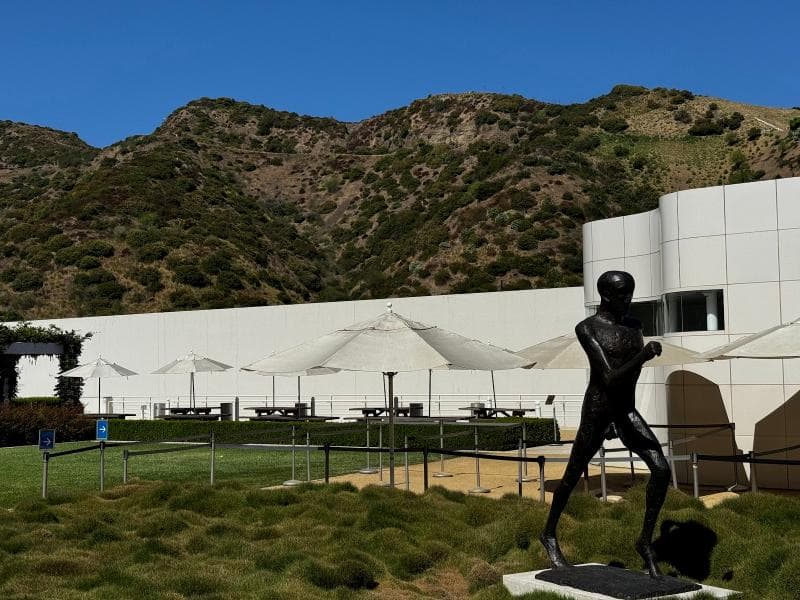
Explore the unique Sculpture Garden at the Getty Center in Los Angeles, US, featuring Robert Irwin's Central Garden and modern outdoor art. Discover a living, evolving masterpiece.
Overview
Nestled within the architectural marvel of the Getty Center in Los Angeles, United States, lies a collection of outdoor artistic expressions collectively creating a compelling 'Sculpture Garden' experience. While the entire Getty campus is adorned with various sculptural pieces, the heart of this open-air artistic endeavor is undoubtedly the Central Garden, a monumental living artwork conceived by the visionary artist Robert Irwin. This 134,000-square-foot masterpiece is often described as ‘a sculpture in the form of a garden aspiring to be art’. Beyond this, visitors will discover the Fran and Ray Stark Sculpture Garden and Terrace, which house a significant collection of modern and contemporary outdoor sculptures, seamlessly integrated into the natural and architectural landscape. The Getty's outdoor spaces invite contemplation and offer a unique dialogue between human creativity and the natural world, all set against breathtaking panoramic views of Los Angeles.
History & Cultural Background
The genesis of the Central Garden dates back to 1992, when artist Robert Irwin embarked on its design as a pivotal element of the nascent Getty Center. The Center itself opened its doors in December 1997. Irwin, a pioneer of the Light and Space movement, challenged conventional notions of art, viewing the garden not merely as a decorative landscape but as an ever-evolving, site-specific installation that alters perception. His approach was rooted in 'conditional art,' creating work that responds directly to its physical and experiential surroundings. Collaborating with landscape architects like Spurlock Poirier and gardener Jim Duggan, Irwin orchestrated a design that features a natural ravine and a tree-lined walkway, culminating in a floating maze of azaleas. The creation of the Fran and Ray Stark Sculpture Garden and Terrace, on the other hand, involved the thoughtful placement of a significant collection of modern and contemporary sculptures donated by the late film producer Ray Stark and his wife, Fran. This project saw OLIN and Richard Meier & Partners Architects working to integrate these artworks into new garden rooms, offering intimate spaces for interaction and reflection.
What Makes It Special
What makes the Sculpture Garden at the Getty Center truly special is its dual nature: the Central Garden as a living, breathing artwork, and the strategically placed permanent sculptures that enrich the campus. Robert Irwin's Central Garden is a sensory journey, meticulously designed to engage sight, sound, and smell. With over 500 varieties of plants, every element, from the foliage and stones to the water features, was chosen to accentuate the interplay of light, color, and reflection. The winding stream, the bougainvillea arbors, and the famous azalea maze create a dynamic and ever-changing landscape. Visitors can immerse themselves within the artwork, experiencing it differently with each visit and season. Meanwhile, the Fran and Ray Stark Sculpture Garden and Terrace present a curated collection of masterworks by renowned artists such as Henry Moore, Elisabeth Frink, Isamu Noguchi, and Joan Miró. These sculptures are not merely placed but are integrated thoughtfully, with some pieces offering views of the city skyline, inviting visitors to engage in quiet contemplation or lively discussion.
Stories, Fun Facts & Local Details
One of the most profound elements of the Central Garden is artist Robert Irwin's philosophy, immortalized by his statement carved into the plaza floor: 'Always changing, never twice the same'. This encapsulates the garden's dynamic nature, with its plant palette constantly evolving and being trimmed and updated. The Central Garden spans an impressive 134,000 square feet. Irwin, originally a painter, made a significant shift to installation art, using natural materials to investigate perception and consciousness, making the garden a testament to his unique artistic journey. The setting of the Getty Center itself, perched on a hill in the Santa Monica Mountains, contributes to the allure, offering spectacular panoramic views of Los Angeles, the Pacific Ocean, and the surrounding mountains from various vantage points within the gardens. It is said that architect Richard Meier, who designed the Getty Center buildings, was initially 'apoplectic' when Irwin was chosen to design the Central Garden, highlighting the bold and unconventional nature of Irwin's vision. The Fran and Ray Stark Sculpture Garden, located near the tram departure area, serves as an engaging prelude to the art experience for many visitors, featuring works like Henry Moore's 'Bronze Form'.
Visitor Perspective
For visitors, the Sculpture Garden at the Getty Center offers a layered experience that extends beyond traditional museum viewing. Walking through the Central Garden is an active engagement, a journey where the senses are continually stimulated. The winding paths, the sound of flowing water, the diverse scents from over 500 plant varieties, and the changing textures create a deeply immersive environment. It’s a place for quiet reflection, a serene escape where one can witness art unfold over time. The careful integration of structures and plants creates intimate nooks and expansive vistas, allowing for both solitary contemplation and shared experiences. In the dedicated Fran and Ray Stark Sculpture Garden and other outdoor areas, visitors encounter monumental works that prompt dialogue between the art, the architecture, and the natural surroundings. The entire experience is framed by the Getty Center’s striking architecture and the vast Los Angeles landscape, making each visit to the Sculpture Garden a unique blend of cultural enrichment and natural beauty, an essential stop for any curious traveler.
Coordinates: -118.4732648, 34.0773438
View on Google Maps💬 How Travelers Describe This Place
Based on community votes
Beautiful
719Interesting
705Must See
655Unique
396Photogenic
256
Traveler Stories
Discover memorable experiences shared by travelers who have visited this place.
No traveler stories yet.
Be the first traveler to share what made this place memorable.

Tour
By
Spot
Discover amazing places around the world. Your journey starts here.
Explore
© 2026 TourBySpot. All rights reserved.