North Pavilion
Los Angeles, United States
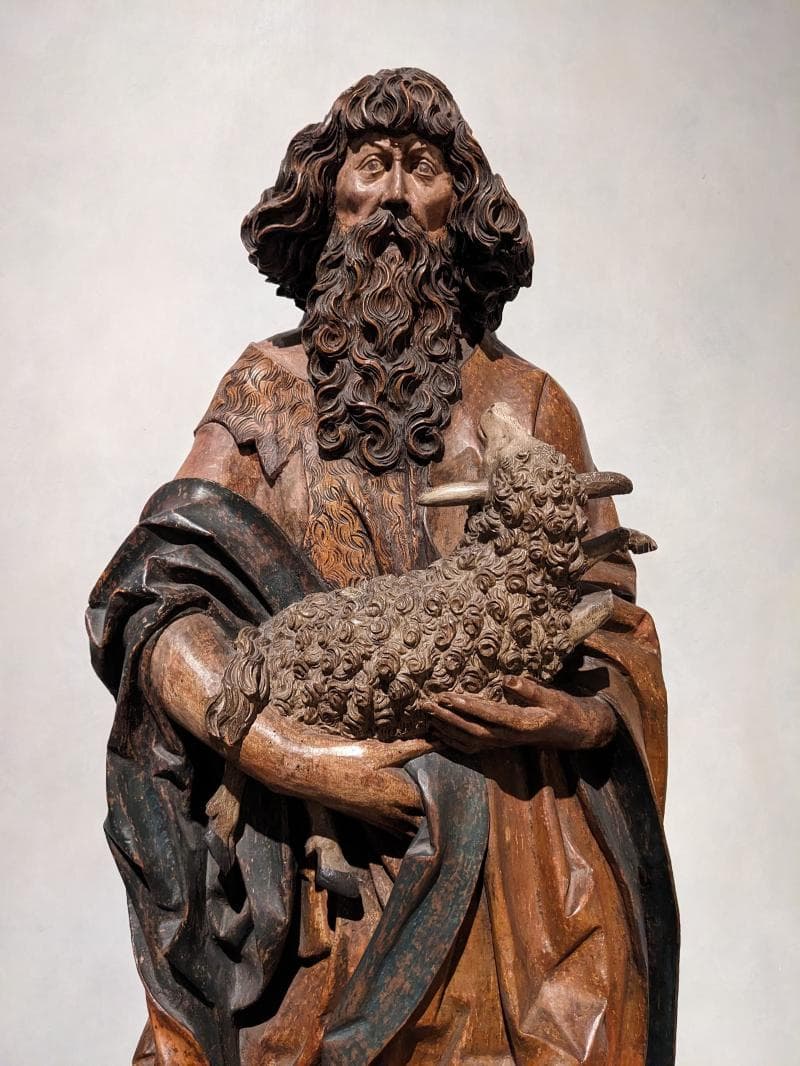
Explore the North Pavilion at the Getty Center, Los Angeles, United States, showcasing pre-17th century European art, manuscripts, and sculpture.
Overview
Nestled within the magnificent Getty Center in Los Angeles, United States, the North Pavilion serves as a captivating gateway to the J. Paul Getty Museum's expansive collection of European art. As one of five distinct museum pavilions, it is strategically positioned to guide visitors through a chronological journey, housing the oldest works of art in the museum's permanent collection. It focuses on European paintings, sculpture, and decorative arts dating up to 1600, primarily from the medieval and Renaissance periods.
The Getty Center itself is an architectural marvel, designed by Richard Meier, and sits majestically atop a hill in the Brentwood neighborhood, offering breathtaking panoramic views of Los Angeles. Visitors arrive via a scenic, automated tram ride, which sets a grand stage for the artistic treasures held within.
History & Cultural Background
The J. Paul Getty Museum's collection at the Getty Center is a testament to the legacy of oil magnate J. Paul Getty, who established the Getty Trust to preserve and present art. The Center opened to the public in December 1997, becoming a prominent cultural institution. The North Pavilion specifically showcases a period where art was deeply intertwined with religion, patronage, and the burgeoning intellectual curiosity of the Renaissance. The artwork reflects the cultural shifts from the medieval era's focus on sacred themes to the Renaissance's reawakened interest in classical forms and humanism.
Many of the pieces housed here were created for religious instruction, private devotion, or commissioned by a new class of collectors and patrons, especially in Northern Europe. The galleries are curated to evoke the historical contexts in which these artworks were created and appreciated, such as a Renaissance 'studiolo' or a late-medieval church treasury.
What Makes It Special
The North Pavilion is distinguished by its focused collection of pre-17th century European art, providing an intimate look into the artistic achievements of the medieval and Renaissance periods. It is particularly renowned for its exquisite collection of illuminated manuscripts, which are often displayed in the lower galleries due to their light-sensitive nature. These intricate works offer a glimpse into the painstaking craftsmanship and artistic devotion of centuries past. Beyond manuscripts, the pavilion features significant paintings that mark a turning point in Western European art, some influenced by Byzantine traditions with their gold backgrounds and stylized forms, while others show a new attention to human emotion and realistic detail.
Moreover, the integration of diverse art forms like sculpture, decorative arts, and even stained-glass panels within thematic galleries makes the North Pavilion a rich and engaging experience. The arrangement allows visitors to understand the interplay between different artistic mediums and their cultural significance during these formative centuries. The building's own architectural elements, such as glass-enclosed bridges and open terraces, provide moments of reflection and connection to the larger Getty Center campus.
Stories, Fun Facts & Local Details
One fascinating detail within the North Pavilion is the Augsburg display cabinet, a centerpiece in the 'Collecting in Northern Europe, 1450–1600' gallery. This magnificent piece represents the 17th-century desire to gather and order knowledge, serving as a precursor to modern museums. Its many richly decorated surfaces invite contemplation about the historical practices of collecting and display.
The Getty Center's construction itself holds numerous anecdotes. The rough-cleft Italian travertine used for much of the architecture was quarried from the same source as the Roman Colosseum and the Trevi Fountain, sometimes even revealing fossilized objects within its surface. This connection subtly links the modern institution to the ancient European heritage celebrated within the North Pavilion's walls. The design by Richard Meier adhered to a precise 30-inch grid, applied to almost every element from floor tiles to windows, creating a harmonious and cohesive aesthetic throughout the campus.
Visitor Perspective
For visitors, the North Pavilion offers a serene and contemplative experience. The chronological layout of the museum guides you naturally to these earliest collections, allowing for a gradual immersion into art history. The galleries are designed to be explored at one's own pace, often featuring comfortable seating for prolonged appreciation of the artworks. While specific galleries within the North Pavilion may occasionally be closed for renovations, the wealth of art ensures there is always something to discover.
Experiencing the North Pavilion is not just about the art; it is part of the broader Getty Center journey, which includes panoramic views of the city, mountains, and ocean from the surrounding terraces. Visitors can easily spend hours wandering through the pavilion's rooms, engaging with the stories embedded in each piece, and stepping back in time to an era of profound artistic and cultural transformation.
Coordinates: -118.475, 34.0775
View on Google Maps💬 How Travelers Describe This Place
Based on community votes
Photogenic
794Beautiful
785Interesting
571Unique
546Must See
103
Traveler Stories
Discover memorable experiences shared by travelers who have visited this place.
No traveler stories yet.
Be the first traveler to share what made this place memorable.

Tour
By
Spot
Discover amazing places around the world. Your journey starts here.
Explore
© 2026 TourBySpot. All rights reserved.