Museum Pavilions
Los Angeles, United States
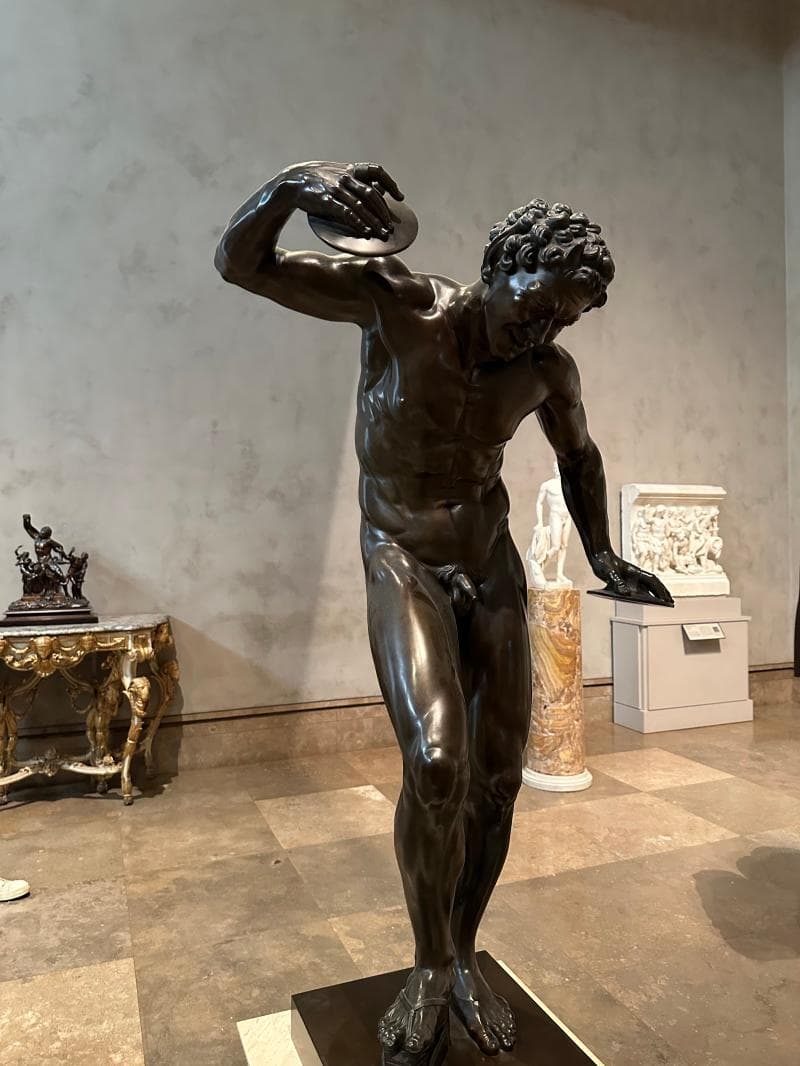
Explore the Museum Pavilions at the Getty Center in Los Angeles, United States, showcasing world-class art and stunning Richard Meier architecture.
Overview
Nestled high in the Santa Monica Mountains, the Getty Center in Los Angeles, United States, offers more than just breathtaking views of the city and the Pacific Ocean; it is a sprawling cultural campus housing the magnificent J. Paul Getty Museum. At its heart lie the Museum Pavilions, dedicated exhibition spaces designed to showcase a world-renowned collection of art. These pavilions are not merely galleries but integral components of architect Richard Meier's vision, harmoniously blending art, architecture, and natural landscapes. Visitors embark on a journey through European art from the Middle Ages to the early 20th century, alongside an impressive collection of photography, all thoughtfully displayed within these distinct structures.
History & Cultural Background
The Getty Center, with its iconic Museum Pavilions, opened to the public on December 16, 1997, marking a significant milestone for the J. Paul Getty Trust. The design was conceptualized by Pritzker Prize-winning architect Richard Meier, who began his work in 1984. The campus was built to consolidate the Trust's various programs and to provide a grander, more accessible home for J. Paul Getty's extensive art collection, which had previously been housed at the Getty Villa. Meier's architectural approach was deeply influenced by the hillside location, aiming to create a sense of freedom of movement between human-scaled buildings and generous open spaces. A defining characteristic of the pavilions' construction is the extensive use of rough-cleft Italian travertine, sourced from Bagni di Tivoli, near Rome – the very same quarry that supplied stone for ancient Roman structures like the Colosseum. This material, along with complementary enameled aluminum panels, gives the structures their distinctive warm, textured aesthetic.
What Makes It Special
The Museum Pavilions are uniquely designed to enhance the art-viewing experience. The permanent collection of European paintings, sculptures, and decorative arts is intelligently organized and displayed chronologically across four main pavilions: North, East, South, and West. This layout allows visitors to journey through art history, typically starting with older works in the North Pavilion and progressing to newer pieces in the West Pavilion. A significant architectural feature is the incorporation of natural light. Second-floor galleries benefit from computer-controlled skylights, allowing paintings to be viewed under optimal, natural illumination, which subtly changes with the time of day. In contrast, light-sensitive artworks like illuminated manuscripts and drawings are carefully housed in the first-floor galleries, protected from direct exposure. The pavilions are interconnected by a series of glass-enclosed bridges and open terraces, offering panoramic vistas of Los Angeles, the Hollywood Hills, and the Pacific Ocean, turning the transition between galleries into an aesthetic experience in itself.
Stories, Fun Facts & Local Details
A visit to the Getty Center begins with a delightful fun fact: access to the hilltop campus is via an automated, cable-pulled tram from the parking garage below. This short, scenic ride offers the first glimpse of Meier's architectural marvels. The travertine used throughout the campus, amounting to 1.2 million square feet, holds a secret: some of the stone blocks reveal embedded fossils, including leaves, feathers, and branches, linking the modern structure to ancient natural history. Inside the pavilions, visitors can discover celebrated masterpieces. The West Pavilion is famously home to Vincent van Gogh's iconic 'Irises,' a perennial crowd-pleaser. Meanwhile, the East Pavilion proudly displays works by Rembrandt, including 'Rembrandt Laughing,' an early self-portrait that captures the artist's spontaneous humor. Beyond the art, the Central Garden, a living artwork designed by Robert Irwin, provides a stunning counterpoint to the museum's structured beauty, featuring a waterfall and a vibrant azalea maze. Outdoor contemporary and modern sculptures, part of the Fran and Ray Stark collection, are integrated throughout the grounds, adding another layer of artistic discovery.
Visitor Perspective
Exploring the Museum Pavilions at the Getty Center is an immersive experience for any curious traveler. Admission to the museum and its grounds is free, making it an accessible cultural gem, though there is a parking fee for those arriving by car. To fully appreciate the extensive collections and unique architecture, visitors often find that guided tours, offered daily, are incredibly helpful. These tours delve into the significance of specific artworks and architectural details that might otherwise be overlooked. The chronological arrangement of art across the pavilions, coupled with comfortable seating areas for contemplation, creates a thoughtful and engaging journey. Whether you are an avid art historian, an architecture enthusiast, or simply a traveler seeking inspiring views and cultural enrichment, the Getty Center's Museum Pavilions offer a profound connection to human creativity and history, all within a stunning Los Angeles setting.
Coordinates: -118.4717, 34.0732
View on Google Maps💬 How Travelers Describe This Place
Based on community votes
Beautiful
958Must See
794Interesting
565Unique
157Photogenic
28
Traveler Stories
Discover memorable experiences shared by travelers who have visited this place.
No traveler stories yet.
Be the first traveler to share what made this place memorable.

Tour
By
Spot
Discover amazing places around the world. Your journey starts here.
Explore
© 2026 TourBySpot. All rights reserved.