South Pavilion
Los Angeles, United States
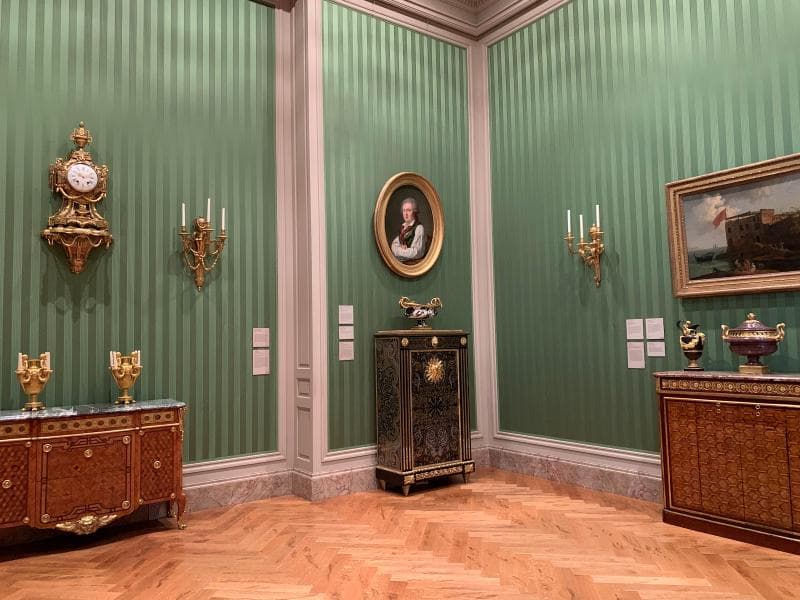
Discover the South Pavilion at the Getty Center in Los Angeles, United States, showcasing 18th-century European paintings and decorative arts.
Overview
Perched high above Los Angeles, the Getty Center is a sprawling campus dedicated to art, architecture, and breathtaking views. Among its four distinctive museum pavilions, the South Pavilion stands out as a treasure trove, primarily showcasing European decorative arts and paintings from the 18th century. It offers a captivating journey through the artistic and cultural landscape of a pivotal era, housed within an architectural marvel designed by Richard Meier. Visitors exploring this pavilion will discover not just art on walls, but entire furnished rooms, offering an immersive glimpse into historical elegance and craftsmanship.
History & Cultural Background
The Getty Center, home to the South Pavilion, opened its doors in 1997, born from the philanthropic vision of J. Paul Getty. The South Pavilion, like its counterparts, is an integral part of the larger Getty Museum, which inherited a vast fortune and a broad directive to further the visual arts after Getty's passing in 1976. Its collection focuses on the dynamic shifts in European art and design during the 18th century, a period marked by the transition from the elaborate Rococo style to the more refined Neoclassical aesthetic. This historical context is beautifully articulated through the pavilion's collection of French and German furniture, ceramics, textiles, and paintings, reflecting the discerning tastes of the era's collectors.
What Makes It Special
What truly sets the South Pavilion apart is its remarkable fusion of art and architecture. Architect Richard Meier conceived the pavilion not merely as a container for art, but as an active participant in the visitor's experience. The building itself is a masterpiece, utilizing carefully engineered louvers to filter natural light, creating optimal and ever-changing viewing conditions for the masterpieces within. This thoughtful design ensures that paintings by artists like Rubens, Rembrandt, and van Dyck are illuminated in a way that accentuates their depth and texture. The choice of imported Italian travertine stone for the building's facade further enhances this interplay of light, absorbing and re-emitting daylight to create tones that subtly mirror the brushwork of the art. Beyond the individual artworks, the pavilion houses elaborately furnished paneled rooms, some literally transported from French estates, offering an unparalleled historical immersion.
Stories, Fun Facts & Local Details
Among the many fascinating details within the South Pavilion, one gallery (S104A) is uniquely dedicated to telling the story of J. Paul Getty himself. Here, visitors can delve into the life of the oil magnate and art collector, exploring his business ventures and the profound impact of his legacy, which led to the creation of the Getty Trust. The pavilion's collection also highlights the 'cabinet pictures' phenomenon of the 18th century. These smaller-scale paintings, often illustrating scenes from daily life or humorous and amorous subjects, were highly prized by collectors for their intricate detail and artistic skill, intended for display in private rooms rather than grand public spaces. Imagine walking through rooms that once graced French chateaux, complete with their original paneling and furnishings, providing an authentic backdrop to 18th-century European paintings. For families, the South Pavilion also offers practical amenities, such as a family restroom equipped with a breast-feeding station.
Visitor Perspective
Exploring the South Pavilion is an engaging experience for any curious traveler. The seamless integration of natural light and architectural design means that each visit can offer a slightly different perspective on the artworks. Knowledgeable guides offer free tours throughout the Getty Center, including highlights of the pavilions, making the vast collection more accessible and enriching. While the Getty Center is extensive, with its various pavilions, gardens, and outdoor sculptures, the South Pavilion's distinct focus allows for a concentrated and deeply rewarding encounter with European art and decorative arts from the 17th and 18th centuries. Visitors can wander through galleries displaying works by masters such as Goya and Thomas Gainsborough, or admire the vibrant brushwork of Venetian view painters. The design encourages a contemplative pace, allowing one to appreciate the intricate details of each piece and the thoughtful curation that brings an entire historical epoch to life within its walls.
Coordinates: -118.46962, 34.07569
View on Google Maps💬 How Travelers Describe This Place
Based on community votes
Unique
997Photogenic
785Must See
523Beautiful
231Interesting
103
Traveler Stories
Discover memorable experiences shared by travelers who have visited this place.
No traveler stories yet.
Be the first traveler to share what made this place memorable.

Tour
By
Spot
Discover amazing places around the world. Your journey starts here.
Explore
© 2026 TourBySpot. All rights reserved.