Gellért Hill
Budapest, Hungary
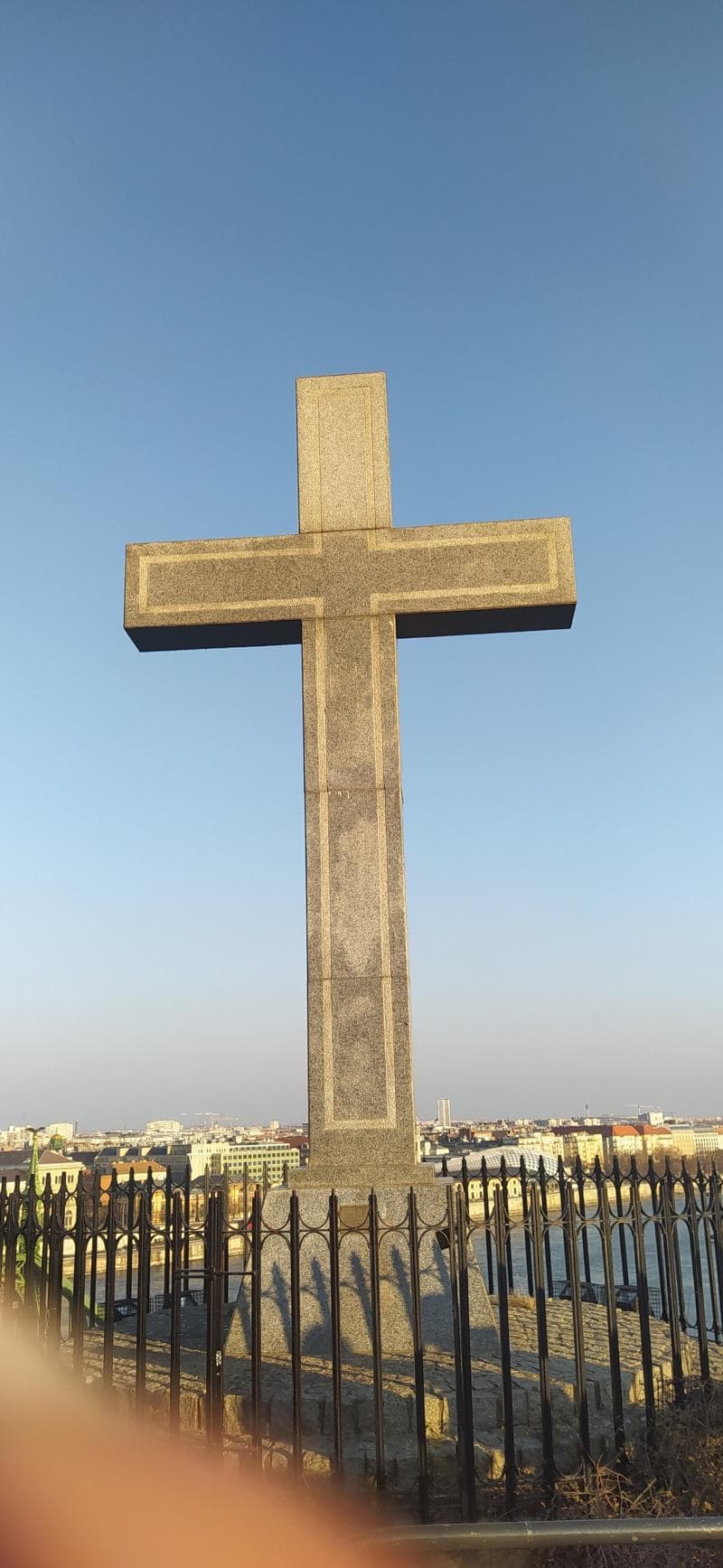
Explore Gellért Hill in Budapest, Hungary, a UNESCO World Heritage site with panoramic views, historical Citadella, and iconic Liberty Statue. Discover its legends and beauty.
Overview
Gellért Hill, a commanding presence on the Buda side of Budapest, Hungary, rises majestically 235 meters (771 feet) above sea level, approximately 140 meters (460 feet) above the winding Danube River. This dolomite hill, located partly in the 1st and 11th districts, is not merely a geographical feature but a cornerstone of Budapest's identity, offering some of the most breathtaking panoramic views of the city.
From its verdant slopes and numerous viewpoints, visitors can gaze upon a tapestry of iconic landmarks, including the Hungarian Parliament Building, Buda Castle, the Chain Bridge, and St. Stephen's Basilica, with the Danube flowing gracefully between the Pest and Buda sides. At its summit stands the historic Citadella fortress and the iconic Liberty Statue, symbols deeply intertwined with Hungary's past. The hill is also home to the fascinating Gellért Hill Cave, which houses the unique Rock Church, and at its foot, the renowned Gellért Thermal Bath. Recognized for its profound cultural and historical significance, Gellért Hill, along with the banks of the Danube, has been designated a UNESCO World Heritage Site since 1987.
History & Cultural Background
The name 'Gellért Hill' itself carries a dramatic tale, originating from Saint Gerard (Szent Gellért), a Venetian bishop who arrived in Hungary in the 11th century to aid King Stephen in Christianizing the Magyars. According to legend, during a pagan uprising in 1046, Saint Gerard was tragically martyred by being sealed in a barrel and rolled down the hill into the Danube. Prior to this, in the Middle Ages, the hill bore names like Kelen-hegy and Pesti-hegy, and was also known as Blocksberg.
Centuries later, the hill became a strategic military point. Following the suppression of the 1848–49 Hungarian Revolution and War of Independence, the Habsburg dynasty constructed the imposing Citadella fortress between 1850 and 1854. Its purpose was not protection, but rather to assert control over the rebellious city, earning it the moniker 'Budapest Bastille' among disgruntled Hungarians. While parts of its walls were symbolically demolished after ownership reverted to the city in 1867, the Citadella later served as an anti-aircraft base during World War II.
Perched atop the Citadella, the majestic Liberty Statue (Szabadság Szobor) was erected in 1947. Initially, it commemorated the Soviet Red Army's role in liberating Hungary from Nazi occupation during World War II. However, after the fall of communism in 1989, its inscription was modified, rededicating it as a universal symbol of freedom and independence for the Hungarian people. Interestingly, folklore suggests the statue, designed by Zsigmond Kisfaludi Strobl, was originally conceived to honor Regent Horthy's son, who died in a plane crash, and would have held a propeller blade instead of the palm leaf it now carries.
What Makes It Special
Gellért Hill's allure lies in its captivating blend of natural beauty, profound history, and artistic monuments. Its primary draw is undoubtedly the unparalleled panoramic vista it offers, hailed as one of Budapest's finest viewpoints. From this elevated position, the entire city unfolds beneath you, a mosaic of architectural styles divided by the glittering ribbon of the Danube. It's an especially magical experience at sunrise or sunset, when the city is bathed in golden light.
The Citadella, a formidable fortress turned cultural landmark, recently underwent extensive renovation and reopened in 2026. It now features expanded green spaces, a new public park, cafes, and historical exhibitions, making it more accessible and inviting than ever. Standing proudly beside it is the towering Liberty Statue, an unmistakable silhouette against the sky, visible from nearly every corner of Budapest.
Beyond the summit, the hill conceals other treasures, such as the Gellért Hill Cave, home to the unique Rock Church (Sziklatemplom). This church, partially carved into the natural rock formations, was established by Pauline monks in the 1920s, drawing inspiration from pilgrimage sites like Lourdes. Its cool, rustic interior offers a stark and fascinating contrast to the grand cathedrals found elsewhere in the city. Furthermore, Gellért Hill is geologically significant, housing thermal springs that feed the famous Gellért Thermal Baths at its base, underscoring its dual identity as both a historical site and a natural wonder.
Stories, Fun Facts & Local Details
Gellért Hill is steeped in intriguing legends and cultural nuances that add layers to its historical narrative. The most famous, of course, is the dramatic martyrdom of Saint Gerard, whose alleged rolling down the hill in a spiked barrel has forever marked this landscape.
For centuries, a darker, more mystical reputation clung to the hill, which was rumored to be a gathering place for witches. Legends speak of sorceresses dancing under the moonlight, performing rituals, a belief perhaps fueled by the hill's natural hot springs and mysterious caves. This folklore echoes a period in Hungarian history that saw actual witch trials. Before its current wooded landscape, the hillsides were extensively covered with vineyards in the 18th century, indicating a rich winemaking past for the area.
Visitors can also discover the serene Garden of Philosophers, a contemplative space featuring statues of Buddha, Gandhi, and Jesus, promoting interfaith understanding. Another charming local detail is the Lookout Stone, where, according to local legend, Prince Buda and Princess Pest would meet. Unseen by most, a crucial part of Budapest's drinking water supply is secretly stored in a reservoir within the hill, highlighting its practical importance to the city. The very name 'Budapest Bastille' for the Citadella reveals the deep-seated historical tensions between Hungarians and their Habsburg rulers. Even the Liberty Statue holds a fascinating twist: its initial dedication to Soviet 'liberators' and subsequent rededication to broader Hungarian freedom reflects the nation's complex journey through the 20th century.
Visitor Perspective
Visiting Gellért Hill is an essential Budapest experience, offering a rewarding journey for any curious traveler. The ascent can be undertaken by various walking paths, which range in steepness but are generally considered a pleasant hike, or for a quicker journey, Bus 27 provides convenient access to the top.
To fully appreciate the breathtaking scenery and capture stunning photographs, many seasoned travelers recommend visiting Gellért Hill around sunrise or sunset. The soft, golden light during these times dramatically enhances the city's beauty. Allow approximately 45 to 90 minutes for a visit focusing purely on the viewpoints. If you plan to explore the Rock Church or the exhibitions within the newly renovated Citadella, which now boasts expanded public spaces and amenities after reopening in 2026, allocate two to three hours.
A few practical tips for your visit: wear comfortable, practical shoes, as the paths involve slopes, stairs, and sometimes uneven terrain. During warmer months, remember to bring water, and in cooler seasons, a wind layer is advisable. For safety and ease of navigation, it's generally recommended to descend the hill while there is still daylight, as some paths can be less comfortable after dark. While the Gellért Hotel and its famous thermal baths are currently undergoing renovation and are expected to reopen in 2027/28, the hill itself, the Citadella, and the iconic Liberty Statue are fully accessible and free to explore, offering a priceless vantage point over one of Europe's most captivating cities.
Coordinates: 19.04583, 47.48639
View on Google Maps💬 How Travelers Describe This Place
Based on community votes
Beautiful
545Must See
343Interesting
211Photogenic
74Unique
20
Traveler Stories
Discover memorable experiences shared by travelers who have visited this place.
No traveler stories yet.
Be the first traveler to share what made this place memorable.
Things to see at Gellért Hill



Tour
By
Spot
Discover amazing places around the world. Your journey starts here.
Explore
© 2026 TourBySpot. All rights reserved.