Panorama Points
Budapest, Hungary
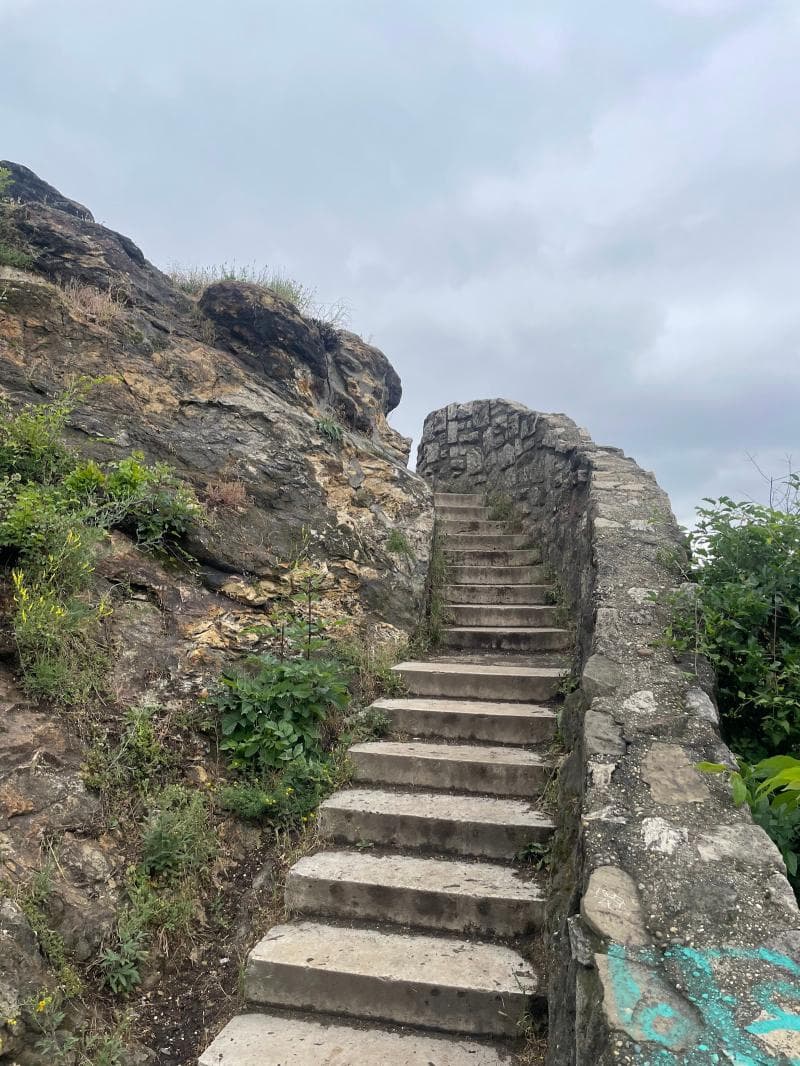
Discover Gellért Hill's panorama points in Budapest, Hungary, for breathtaking views, rich history, and captivating legends.
Overview
Perched majestically above the Danube River, Gellért Hill in Budapest, Hungary, stands as a captivating landmark, offering some of the city's most breathtaking panoramic vistas. Rising 235 meters above the cityscape, this dolomite rock formation is far more than just an elevated viewpoint; it is a tapestry woven with rich history, compelling legends, and significant cultural heritage. Recognized as a UNESCO World Heritage Site, Gellért Hill provides an unforgettable perspective of both the Buda and Pest sides of the capital, bisected by the winding Danube. From its summit, visitors can gaze upon iconic structures such as the Hungarian Parliament Building, the historic Chain Bridge, the majestic Buda Castle, and the impressive St. Stephen's Basilica. The 'Panorama Points' scattered across the hill's slopes and at its peak offer diverse angles, each revealing a new facet of Budapest's charm, making it an essential destination for any curious traveler.
History & Cultural Background
Gellért Hill owes its name to Saint Gellért (Bishop Gerard), an Italian bishop who arrived in Hungary around 1000 AD to assist King St. Stephen in converting the Hungarians to Christianity. Tragically, in 1046, during a pagan rebellion, Saint Gellért was martyred by being rolled down the hill in a barrel into the Danube. A monument commemorating him, holding a cross, now stands on the hill's northeastern slope, facing Erzsébet Bridge. Before this period, the hill held significance for Celtic tribes who inhabited the area, and later, during the 18th century, it was a prominent center for winemaking, with vineyards covering its slopes.
A formidable structure crowning the hill is the Citadella, a fortress built by the Austrian Habsburgs between 1850 and 1854. Its construction followed the suppression of the 1848-49 Hungarian Revolution and War of Independence, designed as a strategic stronghold to control the rebellious city. Initially, it was deeply resented by Hungarians, who dubbed it the 'Budapest Bastille'. Although parts of its walls were symbolically destroyed when it was handed over to the City Council in the late 19th century, the Citadella played roles in both World War II and the 1956 Hungarian Revolution.
Another prominent feature is the Liberty Statue (Szabadság Szobor), erected in 1947. Originally, it honored the Soviet forces for their role in liberating Hungary from Nazi occupation during World War II. However, after the fall of communism in 1989, its dedication was changed, and it was rededicated to commemorate all who sacrificed their lives for Hungary's independence, freedom, and prosperity.
What Makes It Special
Gellért Hill offers an unparalleled experience due to its unique combination of natural grandeur, historical depth, and cultural richness. The primary allure remains its stunning panoramic views, providing a comprehensive vista of Budapest's most cherished landmarks. From the hill, visitors can marvel at the architectural splendors of the Parliament, the iconic Chain Bridge, the historic Buda Castle, and the majestic St. Stephen's Basilica, all framed by the flowing Danube.
Beyond the vistas, the hill is a UNESCO World Heritage Site, underscoring its global significance. Visitors can explore the historic Citadella fortress and admire the Liberty Statue, which has become a recognizable symbol of the city. The Gellért Hill Cave, also known as the Cave Church, offers a unique spiritual and architectural wonder, carved into the hillside and inspired by pilgrimage sites like Lourdes. Furthermore, the serene Philosophers' Garden, featuring statues symbolizing unity among diverse spiritual traditions, provides a contemplative space amidst the greenery. The hill also plays a vital role in Budapest's infrastructure, housing an inner reservoir that contributes to the city's drinking water supply.
Stories, Fun Facts & Local Details
Gellért Hill is steeped in local lore and fascinating anecdotes. One enduring legend tells of witches who were believed to convene on the hill nightly, riding on the backs of humans, adding a mystical aura to its ancient slopes. The dramatic story of Bishop Gellért's martyrdom, where he was encased in a barrel and cast down the hill by pagan rebels, gives the hill its solemn name and marks a pivotal moment in Hungary's Christianization.
The Liberty Statue itself carries an intriguing backstory. A popular urban legend suggests it was originally intended to commemorate Regent Horthy's son, who died in an aviation accident, with designs featuring a propeller blade. While the sculptor, Zsigmond Kisfaludi Strobl, protested this claim, the statue's transformation from a Soviet memorial to a broader symbol of Hungarian freedom reflects the nation's complex 20th-century history. The Citadella, once a hated symbol of Habsburg oppression, has transformed over time into a beloved tourist attraction, now symbolizing resilience rather than control. Annually, on August 20th, the hill becomes the launching point for spectacular fireworks celebrating Hungary's national holiday, lighting up the panoramic views. Additionally, the 'King Buda and Queen Pest' sculpture on the hill creatively symbolizes the 1873 unification of the two cities, Buda and Pest, into one capital.
Visitor Perspective
Experiencing Gellért Hill is an active endeavor, typically involving a scenic climb up well-maintained walking paths that wind through lush greenery. The ascent from areas like Gellért Square or Szent Gellért embankment usually takes about 20-30 minutes, offering changing vistas at every turn. While rewarding, the steep paths and numerous steps may not be ideal for visitors with strollers or young children. Alternatively, public transportation, including certain tram lines and buses, can take visitors closer to the summit.
The views are particularly magical during sunrise and sunset, when the city's landmarks are bathed in golden light or sparkle with evening illumination, making it a prime spot for photographers and romantics. Many choose to arrive before sunset to witness the transformation. As of recent updates, the Citadella and the Liberty Statue have undergone renovations and are open for visitors, offering enhanced viewing terraces and an interactive exhibition. It is worth noting that the famous Gellért Thermal Baths, located at the foot of the hill, are currently closed for renovation, with an expected reopening in 2027 or 2028. Despite this, the journey up Gellért Hill promises an enriching experience, blending physical activity with historical discovery and unparalleled visual rewards, all without an admission fee to the hill itself.
Coordinates: 19.043764, 47.487708
View on Google Maps💬 How Travelers Describe This Place
Based on community votes
Beautiful
853Interesting
639Photogenic
569Must See
190Unique
93
Traveler Stories
Discover memorable experiences shared by travelers who have visited this place.
No traveler stories yet.
Be the first traveler to share what made this place memorable.

Tour
By
Spot
Discover amazing places around the world. Your journey starts here.
Explore
© 2026 TourBySpot. All rights reserved.