Walking Trails
Budapest, Hungary
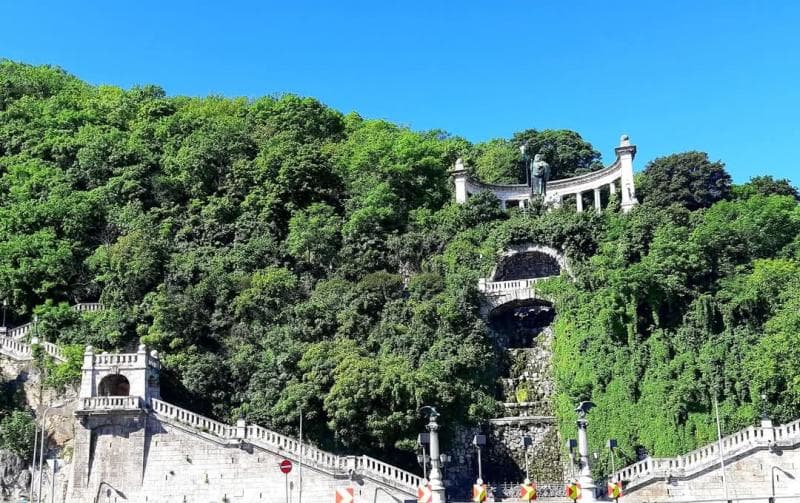
Explore the historic walking trails of Gellért Hill in Budapest, Hungary. Discover panoramic views, the Citadella, Liberty Statue, and Cave Church.
Overview
Gellért Hill, a majestic 235-meter-high dolomite rock, stands proudly overlooking the Danube River in Budapest, Hungary. This iconic landmark, nestled between the city's 1st and 11th districts, is a UNESCO World Heritage site renowned for its breathtaking panoramic views, rich historical tapestry, and serene natural beauty. As you ascend its winding paths, you'll discover a harmonious blend of lush greenery, ancient monuments, and captivating vistas that capture the essence of Budapest.
The walking trails of Gellért Hill offer an immersive experience, inviting travelers to explore a protected natural area that acts as a vital 'green lung' for the bustling city. Whether you're seeking a leisurely stroll or a more invigorating hike, the hill's diverse paths cater to all, promising a journey filled with discovery and unparalleled scenic rewards.
History & Cultural Background
The history of Gellért Hill is as profound as its views. Its name is derived from Saint Gerard (Gellért), an 11th-century bishop whose tragic martyrdom, legend says, occurred on this very hill. According to the lore, pagan tribes rolled him down the hill in a spiked barrel during a revolt against Christianization.
Long before Saint Gerard, the hill was inhabited by prehistoric cave dwellers who utilized its natural thermal springs, which still feed the famous Gellért Spa today. In Roman times, Celts also made their homes here. The strategic importance of the hill became evident much later when the Habsburgs constructed the imposing Citadella fortress atop its summit after the 1848-49 Hungarian Revolution. This fortress was a stark symbol of control, designed to intimidate the populace. Dominating the skyline near the Citadella is the Liberty Statue, erected in 1947. Originally a Soviet monument commemorating the Red Army's liberation of Hungary from Nazi occupation, it has evolved into a broader symbol of Hungarian freedom and resilience.
What Makes It Special
What truly sets Gellért Hill's walking trails apart is the ever-unfolding panorama of Budapest. As you ascend, each turn offers a new perspective of the city's iconic landmarks, including the grand Parliament Building, the historic Chain Bridge, the majestic Buda Castle, the dome of St. Stephen's Basilica, and the serpentine Danube River. These breathtaking vistas, particularly at sunrise or sunset, make it a photographer's paradise.
Beyond the views, the trails lead to a collection of unique attractions. You can explore the fascinating Cave Church (Sziklatemplom), a hidden sanctuary built directly into the rock face by Pauline monks, or find tranquility in the Garden of Philosophers, a contemplative space featuring statues of global thinkers. The formidable Citadella and the inspiring Liberty Statue crown the summit, offering both historical insight and a commanding presence. Furthermore, Gellért Hill is a protected natural reserve, home to diverse flora, including rare plant species like the yellow sophora, and a haven for various bird species and small wildlife, adding a layer of ecological richness to your walk.
Stories, Fun Facts & Local Details
The tales woven into Gellért Hill add depth to its beauty. The enduring legend of Saint Gerard's martyrdom by being rolled in a spiked barrel remains one of Budapest's most impactful origin stories, lending the hill its name and a somber historical weight. Older folklore whispers of a time when witches were believed to gather on the hill for their ceremonies, contributing to its ancient and mystical aura.
The Citadella, though now a prominent tourist attraction, was once a symbol of oppression. Locals famously nicknamed it the 'Budapest Bastille' due to its construction by the Habsburgs as a means to control the rebellious Hungarians. The Liberty Statue, while still carrying the historical context of Soviet liberation, has been re-embraced by Hungarians as a testament to their broader aspirations for freedom. The Cave Church itself is a marvel, born from a natural cave system and inspired by pilgrimage sites like Lourdes, offering a unique spiritual experience within the hill's heart. The Garden of Philosophers, with its statues of Jesus, Buddha, Laozi, and others, represents a powerful message of unity and shared human values.
Visitor Perspective
Visiting Gellért Hill provides a truly rewarding experience for any traveler. There are numerous well-maintained walking paths and sets of stairs that crisscross the slopes, offering various routes to the summit, each with its own charm and level of challenge. Popular starting points include the areas near the Elizabeth Bridge or from Gellért Hotel at Liberty Bridge. Along these trails, you'll find strategically placed benches and lookout points, perfect for pausing to catch your breath and soak in the increasingly expansive views of the city below.
For those who prefer a less strenuous ascent, Bus number 27 provides convenient access close to the Citadella, allowing for a shorter walk to the main viewpoints. The climb itself typically takes about 20 to 30 minutes, depending on your pace and chosen path, making it an accessible adventure for most. There is no entry fee to explore the hill, the Liberty Statue, or the exterior of the Citadella. Comfortable footwear is highly recommended to fully enjoy the rocky and uneven sections of the paths. Many visitors time their climb to coincide with sunset, as the golden hour light transforms Budapest into an unforgettable spectacle.
Coordinates: 19.041, 47.486
View on Google Maps💬 How Travelers Describe This Place
Based on community votes
Interesting
915Must See
211Unique
123Beautiful
74Photogenic
53
Traveler Stories
Discover memorable experiences shared by travelers who have visited this place.
No traveler stories yet.
Be the first traveler to share what made this place memorable.

Tour
By
Spot
Discover amazing places around the world. Your journey starts here.
Explore
© 2026 TourBySpot. All rights reserved.