Citadella
Budapest, Hungary
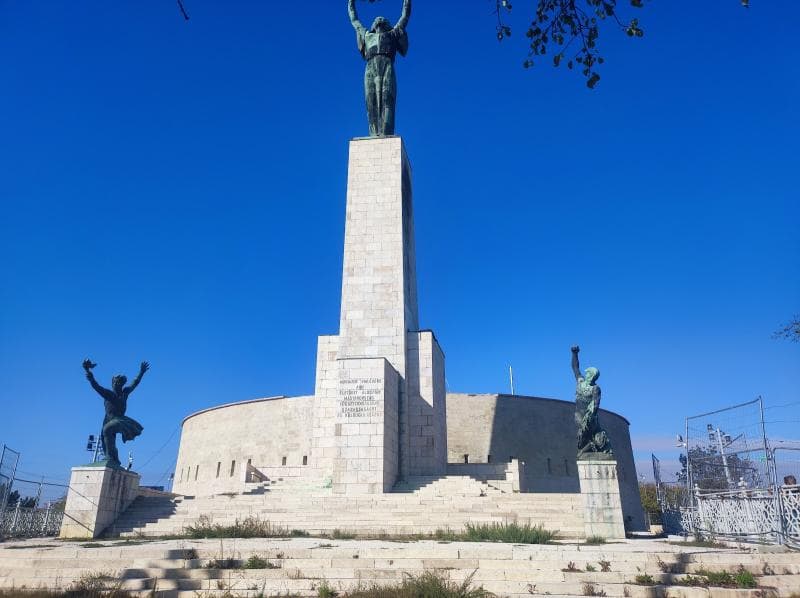
Discover Budapest's iconic Citadella on Gellért Hill, Hungary. Explore this historic fortress for panoramic city views, rich history, and the symbolic Liberty Statue.
Overview
Perched majestically atop Gellért Hill, the Citadella is a prominent historical fortress in Budapest, Hungary. It offers an unparalleled 360-degree panoramic vista of the city, encompassing the winding Danube River, the Chain Bridge, the impressive Parliament Building, and the historic Buda Castle District. More than just a viewpoint, the Citadella represents a profound journey through Hungary's past, evolving from a symbol of oppression to one of enduring freedom. Its significant historical and cultural value, along with the entire Gellért Hill panorama, earned it a place on the UNESCO World Heritage Site list in 1987. Following extensive renovations, the Citadella proudly reopened in spring 2026, transforming into a vibrant cultural hub with expanded green spaces and an immersive historical exhibition.
History & Cultural Background
The story of the Citadella is deeply intertwined with Hungary's struggle for independence. It was constructed between 1851 and 1854 by the Habsburg monarchy, following their suppression of the 1848–49 Hungarian Revolution and War of Independence. The fortress was designed not to defend Budapest, but ironically, its cannons were pointed inward, serving as a stark reminder of imperial control and a deterrent against further uprisings. This oppressive origin led Hungarians to refer to it as the 'Budapest Bastille.' During World War II, the Citadella was utilized by German forces as an anti-aircraft base, and later, Soviet troops occupied it during the 1956 Hungarian Revolution. Over the decades, its role shifted dramatically. Archaeological excavations during its recent renovation unearthed Celtic, Roman, and Turkish artifacts, revealing the site's strategic importance and continuous occupation for over two millennia. Today, the Citadella stands as a testament to Budapest's resilience and its enduring quest for self-determination.
What Makes It Special
What truly sets the Citadella apart is its powerful combination of historical depth and breathtaking natural beauty. The unobstructed 360-degree vistas from its elevated position are simply unparalleled, offering iconic views of Budapest's split identity across the Danube. Dominating the skyline alongside the fortress is the magnificent Liberty Statue (Szabadság-szobor). Erected in 1947, it was originally dedicated to the Soviet liberation of Hungary but has since been reinterpreted as a universal symbol of Hungarian freedom and independence. The recent extensive renovation, completed in spring 2026, has further enhanced its allure. It now boasts expanded green areas, including a 6,000 m² eco-friendly park, new viewing terraces that frame the city from multiple vantage points, and a significant historical exhibition. Inside the former western gun tower, the 'Bastion of Liberty' offers an immersive and engaging journey through Hungary's struggles for freedom, making its complex history accessible and personal to visitors.
Stories, Fun Facts & Local Details
The historical irony surrounding the Citadella is a compelling story in itself: a fortress built by an oppressive regime to intimidate its populace is now a cherished symbol of freedom and a major tourist draw. The very name of Gellért Hill harks back to the legend of Bishop Gellért, who, according to tradition, was martyred here in 1046 by being rolled down the hill in a barrel by pagan rebels. The moniker 'Budapest Bastille' used by Hungarians reflects the deep resentment felt towards the Habsburgs' imposing structure. Furthermore, during the recent renovations, archaeologists uncovered evidence of Celtic, Roman, and Turkish settlements, confirming the hill's continuous importance throughout history. The Liberty Statue itself has a rich narrative of evolving meaning, moving beyond its original Soviet dedication to represent broader Hungarian liberty. Today, the transformed grounds boast an impressive 20,000 m² of green space, including walking paths and areas for quiet contemplation, significantly increasing its natural appeal. There are also modern amenities like cafes and souvenir shops, designed to enhance the visitor's experience and encourage longer stays.
Visitor Perspective
A visit to the Citadella often begins with a rewarding walk up Gellért Hill, with various trails offering picturesque views of the city as you ascend. Many consider this scenic climb an integral part of the overall experience. Upon arrival, visitors can freely explore the extensive public park, stroll along the fortified walls for panoramic views, and admire the iconic Liberty Statue without an entrance fee. For those seeking a deeper dive into Hungary's history, the 'Bastion of Liberty' exhibition within the western gun tower, along with access to the Roof Garden 360 and Round Bastion Terrace, requires a ticket. International visitors often find the exhibition seamless and engaging, thanks to modern interpretive elements. To witness Budapest at its most enchanting, consider visiting in the late afternoon; the sunset from the Citadella is particularly spectacular, illuminating the city in a magical glow. With cafes offering refreshments and local chimney cakes, and souvenir shops providing mementos, it's easy to linger and soak in the atmosphere above the city.
Coordinates: 19.04535, 47.48727
View on Google Maps💬 How Travelers Describe This Place
Based on community votes
Photogenic
898Unique
618Beautiful
449Interesting
308Must See
22
Traveler Stories
Discover memorable experiences shared by travelers who have visited this place.
No traveler stories yet.
Be the first traveler to share what made this place memorable.

Tour
By
Spot
Discover amazing places around the world. Your journey starts here.
Explore
© 2026 TourBySpot. All rights reserved.