Et'hem Bey Mosque
Tirana, Albania
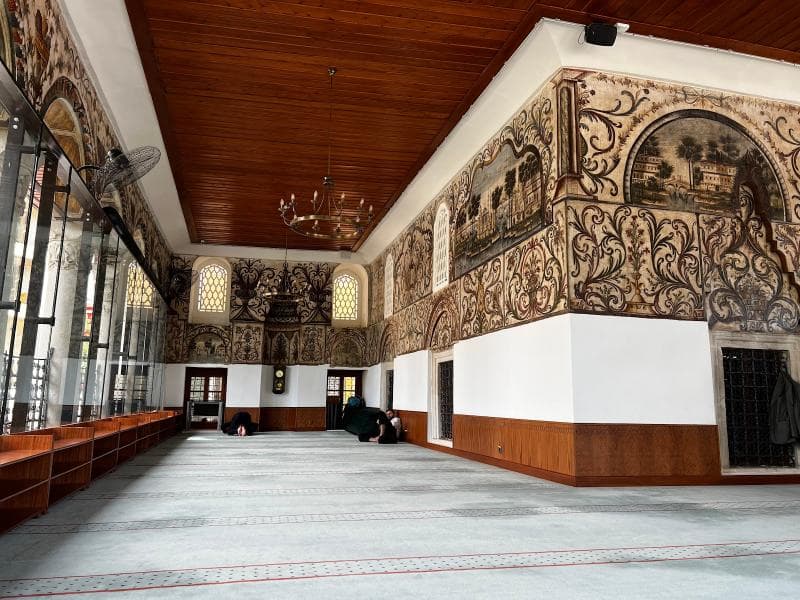
Discover Et'hem Bey Mosque in Tirana, Albania – an 18th-century Ottoman jewel known for its rare landscape frescoes & profound historical resilience.
Overview
Nestled in the bustling heart of Tirana, Albania, the Et'hem Bey Mosque stands as a serene and historically rich landmark in Skanderbeg Square. This architectural marvel is not merely a place of worship; it is a vivid testament to Albania's enduring cultural and religious heritage. Recognized for its unique and vibrant frescoes, the mosque captivates visitors with its distinct blend of Ottoman design and local artistic expression. Its prominent location, adjacent to the iconic Clock Tower, makes it an unmissable stop for anyone exploring the Albanian capital. The Et'hem Bey Mosque serves as a living museum, offering a peaceful retreat and a profound glimpse into centuries of Albanian history and artistic tradition.
History & Cultural Background
The construction of the Et'hem Bey Mosque began in the late 18th century, initiated by Molla Bey of Petrela, an influential figure from the Toptani family. Records indicate its commencement around 1791 or 1794. His son, Haxhi Et'hem Bey, continued and ultimately completed the mosque's construction between 1819 and 1823, earning him the honor of having the mosque named after him.
Historically, the mosque was an integral component of Tirana's old city center, surrounded by the Old Bazaar and other significant religious structures, shaping the urban fabric of Ottoman Tirana. Its journey through the 20th century is particularly poignant. During Albania's communist era, from 1967 to 1991, all religious practices were banned, and places of worship were either destroyed or repurposed. Remarkably, the Et'hem Bey Mosque survived this period due to its designation as a cultural monument, preserving its artistic and historical value.
A pivotal moment in the mosque's history, and indeed in modern Albanian history, occurred on January 18, 1991. Despite official prohibitions by the communist authorities, approximately 10,000 people gathered at the mosque for public prayer, a powerful act of defiance that symbolized the rebirth of religious freedom in Albania. This event marked a significant turning point in the country's transition away from state-imposed atheism.
What Makes It Special
What truly sets the Et'hem Bey Mosque apart are its extraordinary frescoes, both on the exterior portico and within its prayer hall. Unlike the geometric patterns, calligraphy, or floral motifs typically found in traditional Islamic art, these frescoes vividly depict natural landscapes. Visitors are often captivated by the intricate paintings of trees, waterfalls, bridges, houses, and pastoral scenes. This naturalistic imagery is considered a rare and unique example in Islamic religious architecture, reflecting a distinctive local artistic tradition that beautifully merges spirituality with the natural world.
The mosque's architecture itself is a testament to Ottoman design, characterized by harmonious proportions, elegant arches, and meticulously crafted details. It exhibits a classical Ottoman style infused with local Albanian artistic sensibilities, creating a monument that is both architecturally refined and emotionally engaging. Beyond its aesthetic appeal, the Et'hem Bey Mosque stands as a powerful symbol of resilience and religious freedom. Its survival through decades of state atheism and its role in the re-establishment of faith underscore its profound significance to the Albanian people.
Stories, Fun Facts & Local Details
An interesting aspect of the Et'hem Bey Mosque's construction is its funding; it was not commissioned by the Ottoman Sultan but rather financed by the influential Toptani family, particularly Molla Bey. In Ottoman society, building a mosque was also a political act, allowing elite families to display their wealth, secure prestige, and embed their legacy within a city's sacred geography. By funding this mosque in Tirana's commercial heart, the Toptanis firmly established their presence and influence.
Academic research suggests that the unique frescoes might have been the work of more than one group of painters. There are noticeable stylistic differences, particularly between the portico paintings and those in the prayer hall, with the former showing a more deliberate use of perspective. Intriguingly, some scholars believe certain painted skylines within the mosque might reference Istanbul's silhouette, including the Süleymaniye Mosque and elements associated with the Bosphorus and Golden Horn. Stylistic similarities have also been noted with the Bachelor's Mosque in Berat, suggesting shared artistic templates or techniques across cities.
The mosque's location in Skanderbeg Square places it at the very heart of Tirana, making it easily identifiable and often visited in conjunction with the adjacent Clock Tower, forming a historical complex. The dramatic reopening in 1991, when thousands gathered without official permission, remains a cherished memory and a symbol of national pride, representing the triumph of faith over oppression.
Visitor Perspective
The Et'hem Bey Mosque warmly welcomes visitors, serving as both an active place of worship and a cultural attraction. It is open daily, though tourists are kindly asked to visit outside of prayer times to show respect for worshippers. Specific visiting hours are usually displayed, and checking the schedule in advance is advisable. There is no entrance fee, making it an accessible historical site for all.
When entering the mosque, visitors are expected to dress modestly and remove their shoes, customary practices that demonstrate respect for the sacred space. Its central location in Skanderbeg Square ensures easy access, whether you are exploring Tirana independently or as part of a guided city tour. The tranquil atmosphere inside provides a stark contrast to the lively square outside, offering a moment of reflection amidst the city's vibrancy. A visit to the Et'hem Bey Mosque offers a compelling journey through art, history, and the spiritual heart of Albania.
Coordinates: 19.8193, 41.3278
View on Google Maps💬 How Travelers Describe This Place
Based on community votes
Beautiful
703Photogenic
646Interesting
380Unique
291Must See
28
Traveler Stories
Discover memorable experiences shared by travelers who have visited this place.
No traveler stories yet.
Be the first traveler to share what made this place memorable.
Things to see at Et'hem Bey Mosque



Tour
By
Spot
Discover amazing places around the world. Your journey starts here.
Explore
© 2026 TourBySpot. All rights reserved.