Fresco Paintings
Tirana, Albania
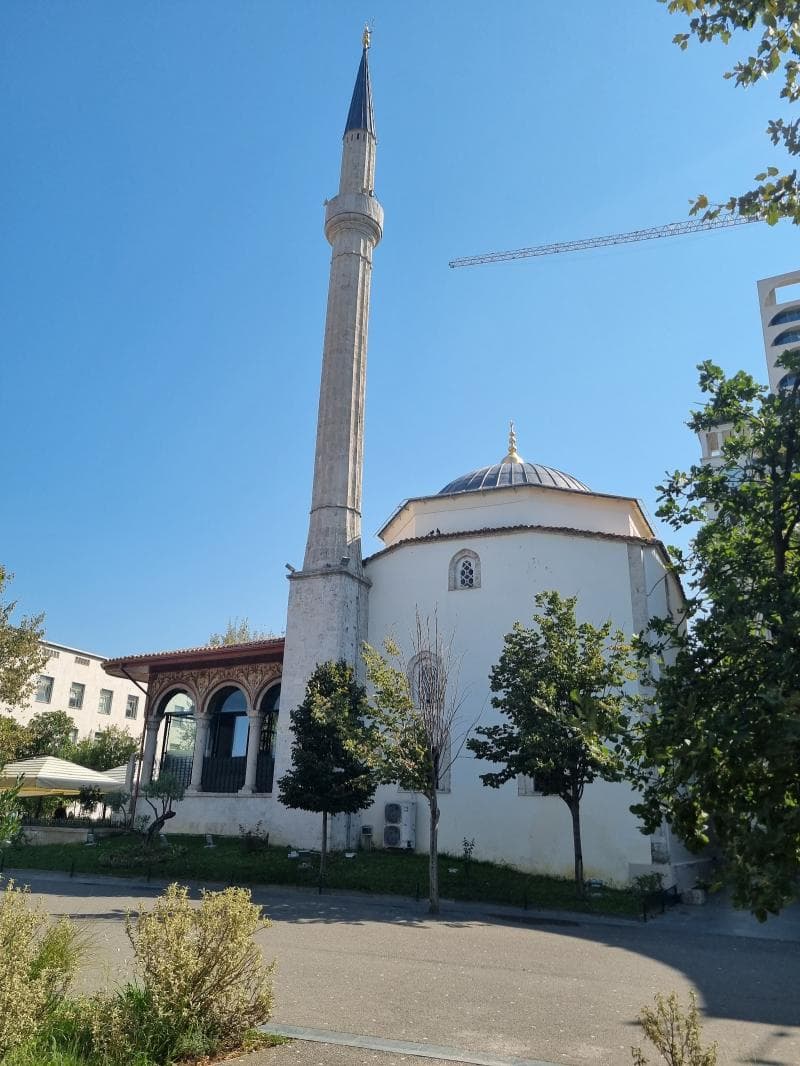
Explore the rare fresco paintings inside Et'hem Bey Mosque in Tirana, Albania, depicting unique landscapes instead of traditional Islamic art.
Overview
Nestled in the bustling heart of Tirana, Albania, within the revered Et'hem Bey Mosque, lie remarkable fresco paintings that offer a unique glimpse into Ottoman-era artistry. These vibrant murals, adorning both the interior and the portico, set this mosque apart from many traditional Islamic places of worship. Unlike the common geometric patterns or calligraphy found elsewhere, the frescoes here burst with depictions of nature: tranquil trees, cascading waterfalls, flowing rivers, sturdy bridges, and charming houses. They are a testament to a distinctive artistic expression, often described as rare in Islamic art, blending spiritual reverence with the beauty of the natural world.
Visiting these frescoes offers more than just an aesthetic experience; it's a journey into Albania's rich cultural tapestry and a testament to the resilience of its heritage. The Et'hem Bey Mosque itself is a symbol of religious freedom, having played a significant role in the country's modern history.
History & Cultural Background
The Et'hem Bey Mosque, a celebrated monument of Ottoman architecture, was constructed in stages between the late 18th and early 19th centuries. Its foundation was laid by Molla Bey in 1789, with his son, Haxhi Et'hem Bey, completing the work in 1823. This timeframe places the creation of the frescoes within a period of rich cultural exchange and artistic flourishing in the region. The mosque's design and decorative elements, including these extraordinary frescoes, showcase a blend of Ottoman tradition and local Albanian creativity.
Perhaps one of the most compelling aspects of the mosque's history is its survival during Albania's communist era. During this dark period, religious practices were banned, and countless places of worship were destroyed or repurposed. The Et'hem Bey Mosque, however, was preserved as a cultural monument, recognized for its exceptional artistic and historical value, including its unique paintings. This preservation was crucial, allowing its artistic legacy to endure. A restoration effort, initiated in 2019 and concluded in April 2021, further safeguarded these precious artworks, revealing previously hidden floral motifs and original paintings.
What Makes It Special
What truly distinguishes the fresco paintings of the Et'hem Bey Mosque is their departure from conventional Islamic artistic norms. While traditional mosque decorations often feature intricate geometric designs, calligraphic verses, or stylized floral patterns, the Et'hem Bey frescoes embrace expansive, natural landscapes. This rare pictorial style includes vivid depictions of cypress trees, mountains, pavilions, pastoral scenes, and even architectural views, such as a possible representation of Istanbul's Süleymaniye Mosque.
These murals are considered a rare example of such figurative art within an Islamic religious context, reflecting a unique artistic tradition that beautifully intertwines spirituality with an appreciation for the natural world. Their delicate shading, vibrant colors, and nuanced use of perspective, particularly in the portico, suggest a sophisticated artistic approach, possibly involving multiple skilled painters who may have drawn inspiration from Persian miniature painting styles.
Stories, Fun Facts & Local Details
One fascinating detail is that some of the landscapes depicted are not literal representations of Tirana or its surroundings, but rather imaginary scenes or even stylized interpretations of distant locales. For instance, academic research suggests that certain painted skylines might reference Istanbul's iconic silhouette, including the Süleymaniye Mosque and elements associated with the Bosphorus. This suggests a broader artistic vision and connections beyond Albanian borders.
The frescoes are not merely decorative; they embody a creative concept where artists found ways to express the beauty of nature while adhering to religious sensibilities. The similarities in stylistic elements between these frescoes and those found in the Bachelor's Mosque in Berat hint at a potential sharing of artistic templates and techniques among craftsmen across different Albanian cities during that period.
Furthermore, the mosque itself stands as a powerful symbol of defiance and religious freedom. On January 18, 1991, during the final throes of communism in Albania, thousands of people gathered at the Et'hem Bey Mosque for public prayer, an act that directly challenged the state's ban on religion and marked a pivotal moment in the country's return to religious liberty. The enduring beauty of its frescoes became a quiet backdrop to this profound historical event.
Visitor Perspective
For the curious traveler, encountering the fresco paintings at the Et'hem Bey Mosque is an enriching experience. Upon entering, visitors are often struck by the unexpected visual narrative presented by the murals. The soft light filtering into the mosque illuminates the intricate details of the landscapes, inviting contemplation and admiration. It's a place where art, history, and faith converge gracefully.
The mosque remains an active place of worship, and as such, visitors are kindly requested to observe respectful customs. This includes removing shoes before entering the prayer hall and dressing modestly. The mosque is typically open to tourists outside of prayer times, providing ample opportunity to appreciate the frescoes in a serene atmosphere. Situated prominently in Skanderbeg Square, alongside the Clock Tower, the mosque and its frescoes are not just a point of interest, but a focal point for understanding Tirana's enduring spirit and its unique artistic legacy.
Coordinates: 19.81917, 41.32778
View on Google Maps💬 How Travelers Describe This Place
Based on community votes
Photogenic
894Beautiful
748Interesting
304Must See
73Unique
35
Traveler Stories
Discover memorable experiences shared by travelers who have visited this place.
No traveler stories yet.
Be the first traveler to share what made this place memorable.

Tour
By
Spot
Discover amazing places around the world. Your journey starts here.
Explore
© 2026 TourBySpot. All rights reserved.