Courtyard
Tirana, Albania
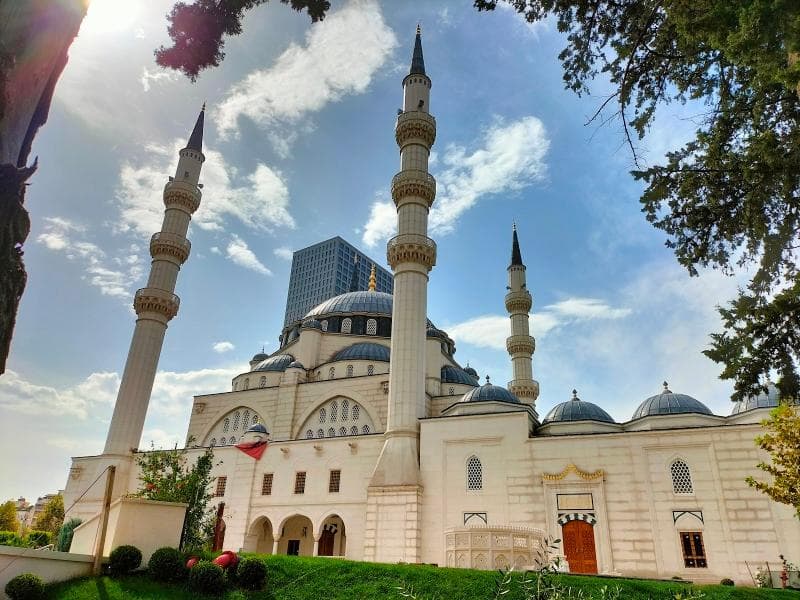
Discover the tranquil courtyard of Et'hem Bey Mosque in Tirana, Albania. Explore its unique frescoes and rich history, a serene oasis in the city center.
Overview
Stepping into the courtyard of the Et'hem Bey Mosque in Tirana, Albania, is like discovering a peaceful oasis amidst the vibrant energy of Skanderbeg Square. This sacred space offers a moment of serenity, inviting visitors to pause and absorb centuries of history and rich cultural narratives. More than just an entrance to the mosque, the courtyard itself is a significant part of the site's charm, adorned with unique artistic details and serving as a quiet witness to Albania's past. Its tranquil atmosphere provides a stark yet welcoming contrast to the bustling city life just beyond its gates. It's a place where the echoes of prayer blend with the whispers of history, setting the stage for a truly immersive cultural experience in the heart of the Albanian capital.
History & Cultural Background
The Et'hem Bey Mosque, including its surrounding courtyard, stands as a profound testament to Tirana's enduring spiritual and cultural journey. Construction of the mosque began between 1791 and 1794 under Molla Bey, and was completed by his son, Haxhi Et'hem Bey, between 1819 and 1823, from whom the mosque takes its name. This generational effort shaped a landmark that quickly became a central hub for spiritual, political, and social life in the developing Ottoman settlement.
Perhaps the most remarkable chapter in its history unfolded during Albania's communist period (1967–1990), when the nation declared itself the world's first atheist state, leading to the destruction or repurposing of most religious sites. The Et'hem Bey Mosque, however, survived due to its recognized artistic value and protected heritage status. In a pivotal moment in 1991, tens of thousands of citizens gathered at the mosque, entering it in a peaceful act of resistance that symbolized the rebirth of religious freedom in Albania. The courtyard, along with the portico, likely served as the gathering point for these brave individuals, making it a place imbued with powerful symbolic meaning. Located 'near the entrance, outside the porch walls,' lies the tomb of Haxhi Et'hem Bey himself, adding another layer of historical depth and reverence to the courtyard space.
What Makes It Special
The courtyard of the Et'hem Bey Mosque is made special by its unique blend of artistic beauty and profound tranquility. Unlike many traditional mosques, the exterior portico—which forms an integral part of the courtyard experience—is famous for its elaborate frescoes. These distinctive paintings depict trees, waterfalls, bridges, and even architectural views, subjects rarely found in Islamic art, providing a surprising visual delight for visitors.
These delicate landscapes, with their Persian miniature painting style, showcase an artistic approach that expressed the beauty of nature while adhering to religious sensibilities. The portico, supported by graceful arches and stone columns, offers a sheltered area that is rich in meticulously crafted details. From the courtyard, one can appreciate these vibrant exterior murals, which give the mosque a distinctive character and soften its modest scale. This tranquil setting, combined with the mosque's elegant Ottoman architecture, makes the courtyard a unique and memorable component of Tirana's cultural landscape.
Stories, Fun Facts & Local Details
The courtyard whispers stories of resilience and community. Locals often recount the extraordinary event of 1991 when, despite official bans, people flocked to the mosque for prayer, marking a powerful stand for religious freedom. This collective act transformed the mosque and its immediate surroundings into a symbol of Albanian resolve. The peaceful atmosphere of the courtyard today evokes this history, offering a space where visitors can reflect on the journey of a nation. It's a 'tranquil courtyard' that invites introspection.
A fun fact for photography enthusiasts is that the courtyard offers excellent vantage points. You can use 'the courtyard arch to frame the minaret for the best shots,' capturing the delicate Ottoman design and slender profile of the mosque's tower. The external frescoes, visible from the courtyard, are themselves a 'rare find' in Islamic architecture, making them a unique artistic treasure and a great conversation starter. The presence of Haxhi Et'hem Bey's tomb near the entrance also serves as a poignant reminder of the mosque's founder and the legacy he left behind for Tirana.
Visitor Perspective
As a curious traveler, approaching the Et'hem Bey Mosque and entering its courtyard offers an immediate sense of transition. The sounds of Skanderbeg Square begin to fade, replaced by a welcoming calm. It's a space designed for peaceful contemplation, providing a gentle introduction before stepping inside the prayer hall. Visitors often find themselves drawn to the intricately painted portico walls, marveling at the detailed frescoes depicting pastoral scenes.
This area serves as a contemplative zone, where one can mentally prepare for the spiritual significance of the mosque or simply enjoy a quiet moment. It's recommended to 'dress modestly' and be mindful of prayer times if planning to enter the mosque itself. Many find that exploring the courtyard first enhances their understanding and appreciation of the mosque's interior. It allows for a gradual immersion into its historical and artistic context, making the entire visit a more meaningful and reflective experience. The courtyard truly acts as the mosque's peaceful antechamber, connecting the bustling modern city with its profound past.
Coordinates: 19.81917, 41.32778
View on Google Maps💬 How Travelers Describe This Place
Based on community votes
Beautiful
639Unique
569Photogenic
476Interesting
128Must See
93
Traveler Stories
Discover memorable experiences shared by travelers who have visited this place.
No traveler stories yet.
Be the first traveler to share what made this place memorable.

Tour
By
Spot
Discover amazing places around the world. Your journey starts here.
Explore
© 2026 TourBySpot. All rights reserved.