Djurgården
Stockholm, Sweden
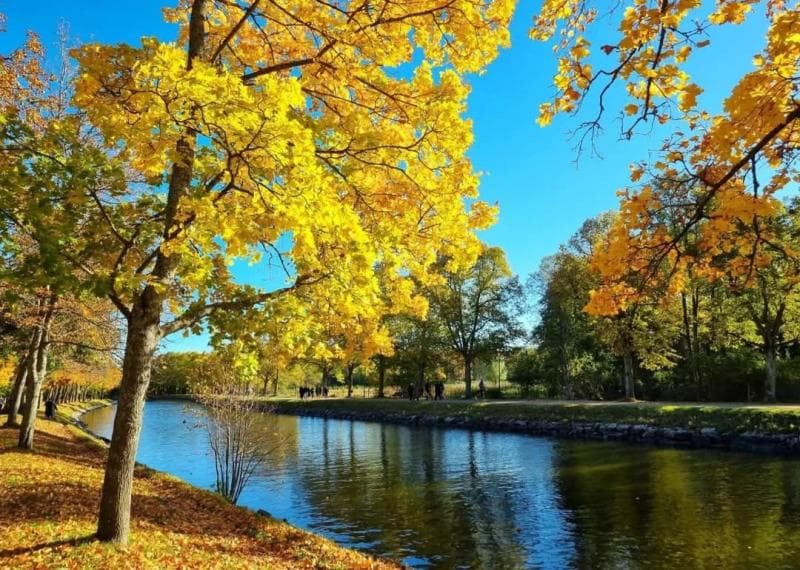
Discover Djurgården, Stockholm’s Royal Game Park. Explore iconic museums like Vasa and Skansen, lush nature, and family fun on this historic Swedish island.
Overview
Djurgården, officially known as Kungliga Djurgården or 'The Royal Animal Park', stands as a verdant jewel in the heart of Stockholm, Sweden. This captivating island is not merely a park but a dynamic cultural and recreational hub, drawing over ten million visitors annually. It seamlessly blends lush natural landscapes with a remarkable concentration of world-class museums and family-friendly attractions, making it a beloved destination for both Stockholmers and international travelers.
As a significant component of the Royal National City Park, Djurgården offers a unique urban escape. Visitors can wander through expansive forests and meadows, enjoy picturesque waterfronts, and delve into centuries of Swedish history and culture, all within easy reach of the city center.
History & Cultural Background
Djurgården's story stretches back to the 16th century when King John III, in 1579, designated the island as a royal game park, stocking it with deer, reindeer, and elk for hunting. This royal connection remained strong for centuries, with the island serving as a private retreat for the Swedish monarchy. Queen Christina, for instance, was known to frequent Djurgården for ballets and fireworks displays in the 17th century.
Over time, what was once an exclusive royal preserve gradually opened its gates to the public. This transformation accelerated in the late 19th century. Many of the structures visible today on western Djurgården, including the iconic Djurgårdsbron bridge, were developed for the Stockholm World's Fair of 1897, marking its evolution into a public recreational area. The island also became home to pioneering cultural institutions, such as Skansen, the world's first open-air museum, established in 1891, and the grand Nordic Museum, which opened its doors in 1904.
What Makes It Special
Djurgården's undeniable charm lies in its extraordinary blend of unspoiled nature and rich cultural tapestry. It is a rare example of a national park nestled within a bustling capital city, offering a serene escape just moments from urban life.
The island boasts an unparalleled collection of attractions. Here you will find the Vasa Museum, home to the remarkably preserved 17th-century warship Vasa, a poignant relic of Sweden's imperial past. Skansen invites visitors to step back in time with its historic buildings, traditional crafts, and Nordic wildlife. Music enthusiasts flock to ABBA The Museum, an interactive tribute to Sweden's legendary pop group. Other notable sites include the Nordiska Museet, showcasing Nordic cultural history, the family-favorite amusement park Gröna Lund, and Junibacken, a magical world inspired by children's literature. Recent additions like The Viking Museum and VRAK – Museum of Wrecks continue to enrich Djurgården's diverse offerings.
Stories, Fun Facts & Local Details
The very name 'Djurgården' is a direct nod to its royal heritage, translating to 'The Royal Animal Park' or 'Royal Game Park' in English. One of its most famous inhabitants, the warship Vasa, famously sank just minutes into its maiden voyage in 1628, only to be meticulously salvaged 333 years later, offering an extraordinary glimpse into maritime history.
A delightful aspect of Djurgården is that, unlike its past, visiting is now entirely free, a change that took place after 1862 when an entrance fee was abolished. The island was a favored haunt of the 18th-century troubadour Carl Michael Bellman, whose poetic works often depicted its lively scenes. For those who venture beyond the main thoroughfares, hidden gems like Breda gatan await, a charming street lined with traditional red and yellow wooden houses that evoke a quaint, rural atmosphere right in the heart of Stockholm.
Today, Djurgården is also at the forefront of sustainable tourism, with the Royal Djurgården Society coordinating over 60 attractions in a collaborative effort to achieve ambitious sustainability goals, making it a living example of responsible urban stewardship.
Visitor Perspective
For visitors, Djurgården offers an immersive and multifaceted experience. Whether you seek intellectual stimulation at a museum, thrilling rides at an amusement park, a peaceful stroll through nature, or a family outing, the island caters to all. It's a place where you can easily spend an entire day, or even several, without exhausting its myriad offerings.
The island is easily accessible from central Stockholm by foot, bus, or the scenic Djurgårdsfärjan ferry, which adds to the adventure. Walking paths, cycling routes, and serene spots for picnics invite visitors to embrace the tranquil island life. Djurgården isn't just a collection of attractions; it's a vibrant space where Sweden's past, present, and natural beauty converge, providing meaningful connections and lasting memories for every traveler.
Coordinates: 18.09694, 59.32667
View on Google Maps💬 How Travelers Describe This Place
Based on community votes
Beautiful
934Must See
449Photogenic
326Unique
279Interesting
276
Traveler Stories
Discover memorable experiences shared by travelers who have visited this place.
No traveler stories yet.
Be the first traveler to share what made this place memorable.
Things to see at Djurgården



Tour
By
Spot
Discover amazing places around the world. Your journey starts here.
Explore
© 2026 TourBySpot. All rights reserved.