Djurgårdsbrunn Canal
Stockholm, Sweden
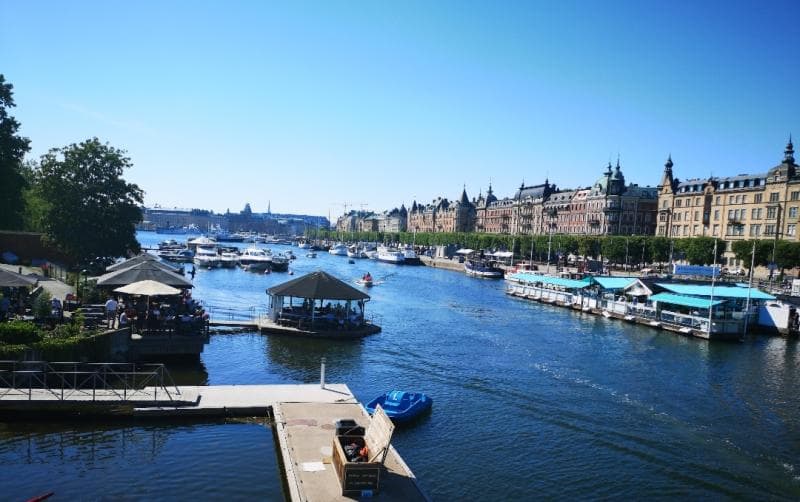
Explore Djurgårdsbrunn Canal in Stockholm, Sweden: a historic waterway separating Djurgården, offering scenic walks, boat tours, and tranquil beauty.
Overview
The Djurgårdsbrunn Canal, known locally as Djurgårdsbrunnskanalen, is a charming and historically significant waterway nestled within the picturesque area of Djurgården in Stockholm, Sweden. This one-kilometer long canal serves as a natural boundary, effectively separating the island of Djurgården from the northern mainland, or more precisely, Southern and Northern Djurgården. It connects Lilla Värtan to Djurgårdsbrunnsviken, allowing smaller vessels to pass through. Today, it stands as a testament to both thoughtful urban planning and natural beauty, offering visitors a serene escape amidst the bustling capital.
Surrounded by lush greenery and tree-lined paths, the canal provides a tranquil atmosphere that invites leisurely strolls, invigorating bike rides, and peaceful boat trips. It's an integral part of the Royal National City Park, reflecting Stockholm's commitment to preserving its natural and cultural heritage. This area is not just a scenic route; it's a beloved recreational hub for both Stockholmers and international travelers, showcasing a unique blend of history, nature, and urban accessibility.
History & Cultural Background
The vision for the Djurgårdsbrunn Canal originated with King Charles XIV John, who made the decision to construct it in 1825. Its completion in 1834 marked a significant moment in the development of Djurgården. The canal's creation was driven by a dual purpose: practical and aesthetic. Primarily, it was intended to facilitate easier transport for smaller ships carrying essential supplies to central Stockholm.
Beyond its utilitarian function, the canal played a crucial role in the king's broader project to enhance the attractiveness and beauty of Djurgården, which has long been a royal park. The initiative involved thinning out vegetation, draining marshy areas, planting noble deciduous trees, and creating walking paths, all contributing to the pastoral landscape we admire today. Interestingly, the canal also served an important public health purpose; it helped drain the swamp at Isbladsträsket, addressing concerns about malaria in the area near the royal residence. By re-establishing the water passage, the canal effectively 'resurrected' Djurgården's island status, which had been lost due to land uplift connecting it to the mainland.
What Makes It Special
The Djurgårdsbrunn Canal holds a special place in Stockholm for several compelling reasons. Its thoughtful design allows ships up to 9.5 meters wide and 2.1 meters deep to navigate its waters, a testament to its engineering at the time. The canal is graced by two distinctive bridges, Djurgårdsbrunnsbron and Lilla Sjötullsbron, which not only serve as vital crossings but also add to its scenic charm.
What truly sets it apart is its unique position as a ribbon of calm and nature running through the city. Despite being in the heart of a major European capital, the canal area feels remarkably secluded and serene. It is a fundamental component of the world's first National City Park, ensuring its natural beauty and accessibility are preserved for generations. The paths lining the canal, often shaded by ancient oaks and maples, create an immersive natural corridor, an achievement considering its urban context.
Stories, Fun Facts & Local Details
One fascinating aspect of the Djurgårdsbrunn Canal's history is how it symbolically 're-islanded' Djurgården. Due to post-glacial land uplift, what was once a natural water passage had gradually filled in, effectively connecting Djurgården to the mainland. King Charles XIV John's decision to dig the canal was, in essence, an act of reclaiming Djurgården's identity as an island. This act not only improved navigation but also solidified Djurgården's role as a distinct royal park and recreational area.
For Stockholmers, the canal is more than just a waterway; it's a cherished part of their daily life. The approximately five-kilometer loop around the canal is one of the city's most popular routes for walking, jogging, and cycling. Locals often flock here on sunny days, particularly in spring, to shake off the winter chill and enjoy the refreshing natural surroundings. Visitors will notice rowing clubs with their clubhouses and boat sheds along its banks, a nod to the canal's vibrant recreational use. The peaceful passage of sightseeing boats and private leisure craft further adds to its lively yet tranquil character, making it a living part of Stockholm's heritage.
Visitor Perspective
Experiencing the Djurgårdsbrunn Canal offers a multifaceted journey into Stockholm's natural and cultural heart. Travelers can embark on leisurely walks along its tree-shaded banks, finding quiet spots for reflection or vibrant scenes of activity. Cycling is a fantastic way to explore the full length of the canal and the broader Djurgården area, with paths suitable for all levels. For a unique perspective, consider a boat tour, which allows you to glide through the tranquil waters, admiring historic buildings, museums, and the lush landscape from a different vantage point.
Picnicking by the canal is a popular pastime, especially during warmer months, providing a perfect opportunity to soak in the peaceful ambiance. The canal's proximity to many of Djurgården's renowned attractions, such as museums and gardens, makes it an ideal central point for exploration. Whether you're seeking a romantic autumn stroll, a refreshing morning jog, or simply a quiet moment surrounded by nature, the Djurgårdsbrunn Canal delivers a truly authentic and memorable Stockholm experience. Its enduring charm lies in its ability to transport you away from the urban bustle into a verdant oasis, all while remaining easily accessible within the city.
Coordinates: 18.13889, 59.32806
View on Google Maps💬 How Travelers Describe This Place
Based on community votes
Interesting
897Must See
641Unique
481Photogenic
463Beautiful
196
Traveler Stories
Discover memorable experiences shared by travelers who have visited this place.
No traveler stories yet.
Be the first traveler to share what made this place memorable.

Tour
By
Spot
Discover amazing places around the world. Your journey starts here.
Explore
© 2026 TourBySpot. All rights reserved.