Skansen
Stockholm, Sweden
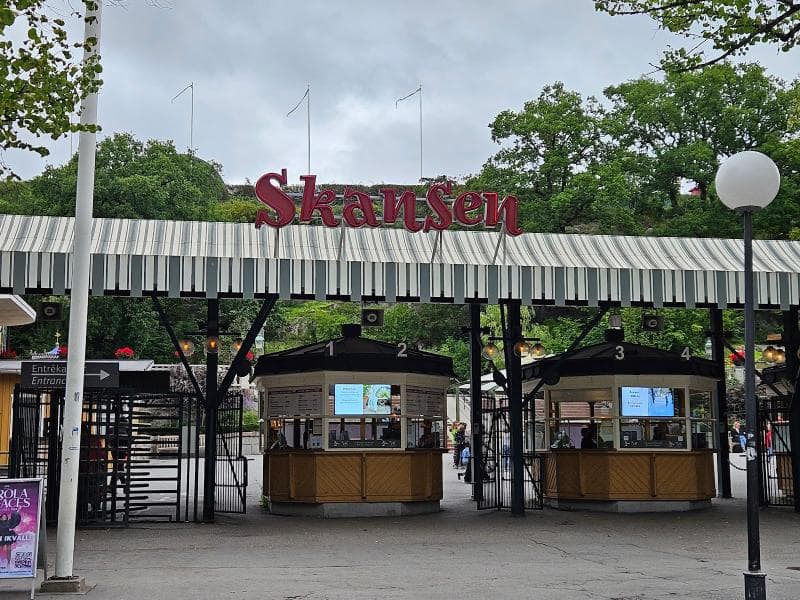
Explore Skansen, the world's oldest open-air museum and zoo in Djurgården, Stockholm, Sweden. Discover historic buildings, Nordic wildlife, traditional crafts, and vibrant Swedish culture.
Overview
Nestled on the verdant island of Djurgården in Stockholm, Sweden, Skansen is a unique destination that serves as the world's first open-air museum and zoo. It offers visitors a captivating journey through Sweden's rich cultural heritage and natural beauty, showcasing traditional ways of life before the industrial era. Skansen brings together historic buildings, native Nordic animals, and vibrant seasonal celebrations, providing an immersive experience for all ages.
History & Cultural Background
Skansen was founded in 1891 by Artur Hazelius, a linguist, teacher, and folklorist with a profound vision. Alarmed by the rapid changes brought by industrialization, Hazelius sought to preserve Sweden's disappearing rural customs, occupations, and material culture for future generations. His motto, 'know yourself,' underscored his belief that understanding history was key to understanding the present. Initially an extension of the Nordic Museum, which Hazelius also founded, Skansen became an independent institution in 1963.
Hazelius painstakingly acquired and relocated approximately 150 historically significant houses, farmsteads, and other structures from across Sweden to the Skansen site. These buildings, some dating back to the 14th century, were meticulously reassembled. To truly bring history to life, he introduced live interpreters in period costumes who demonstrated traditional crafts such as spinning, weaving, pottery, glassblowing, and baking. This innovative approach transformed Skansen into a 'living museum,' a concept that has inspired countless other open-air museums worldwide.
What Makes It Special
Skansen's appeal lies in its dual nature as both a cultural history museum and a zoological park. The open-air museum section presents a 'miniature Sweden,' allowing visitors to explore diverse regional architecture and experience different social conditions from the 16th to the early 20th century. You can wander through a 19th-century town quarter with working craftsmen, visit farmsteads, and even see a Sami camp with reindeer.
The Skansen Zoo is dedicated to Nordic wildlife and traditional Swedish domestic breeds. Here, you can encounter iconic animals like moose, brown bears, lynx, wolverines, and seals in spacious, naturalistic enclosures. The park also houses the Baltic Sea Science Center, offering insights into marine life, and the Skansen Aquarium, which features exotic species from around the globe. Skansen actively participates in national and international conservation programs for threatened species, highlighting its commitment to biodiversity.
Throughout the year, Skansen celebrates Swedish traditions and seasonal customs. Major holidays like Midsummer, Christmas, and Easter are marked with special events, music, dance, and markets. This vibrant programming ensures that there is always something new and engaging to experience, reflecting Sweden's rich cultural calendar.
Stories, Fun Facts & Local Details
One fascinating aspect of Skansen's early days is that Artur Hazelius initially filled the relocated houses with dolls dressed in traditional costumes. However, he soon replaced them with real people, creating the 'living museum' experience that remains its hallmark today.
The term 'Skansen' itself has become a generic term in several languages, particularly in Central and Eastern Europe, referring to open-air museums or collections of historic structures, a testament to its pioneering influence.
Visitors can often observe keepers giving talks about the animals, sharing insights into their behavior and Skansen's conservation efforts. For children, the 'Lill-Skansen' (Children's Zoo) is a favorite, offering closer encounters with smaller animals and opportunities to participate in daily tasks. A unique tradition at Lill-Skansen involves children donating their pacifiers to the cats, marking a playful transition as they grow older.
Skansen is also home to the Solliden Stage, famous for hosting 'Allsång på Skansen' (Sing-along at Skansen), a beloved annual summer television program that gathers Swedes and tourists for communal singing, showcasing folk music and national pride.
Visitor Perspective
A visit to Skansen is an exploration at your own pace, a sensory journey where history, culture, and nature intertwine. You can easily spend half a day or even a full day immersing yourself in the various environments. Walking through the historical quarters, you might witness a blacksmith at work, smell freshly baked bread from the bakery, or hear the distinct dialects of costumed interpreters. The tranquility of the gardens and the sight of Nordic animals add to the serene yet educational atmosphere.
Skansen provides web-based audio guides in multiple languages, allowing you to delve deeper into the stories behind the buildings and animals as you wander. Whether you're interested in historical architecture, traditional crafts, wildlife conservation, or simply enjoying a beautiful day out with family, Skansen offers a rich and authentic experience of Sweden. It's a place where you don't just see history; you feel it, making it an unforgettable highlight of any trip to Stockholm.
Coordinates: 18.09976, 59.32555
View on Google Maps💬 How Travelers Describe This Place
Based on community votes
Photogenic
934Unique
879Interesting
741Must See
482Beautiful
396
Traveler Stories
Discover memorable experiences shared by travelers who have visited this place.
No traveler stories yet.
Be the first traveler to share what made this place memorable.

Tour
By
Spot
Discover amazing places around the world. Your journey starts here.
Explore
© 2026 TourBySpot. All rights reserved.