Bygdøy Peninsula
Oslo, Norway
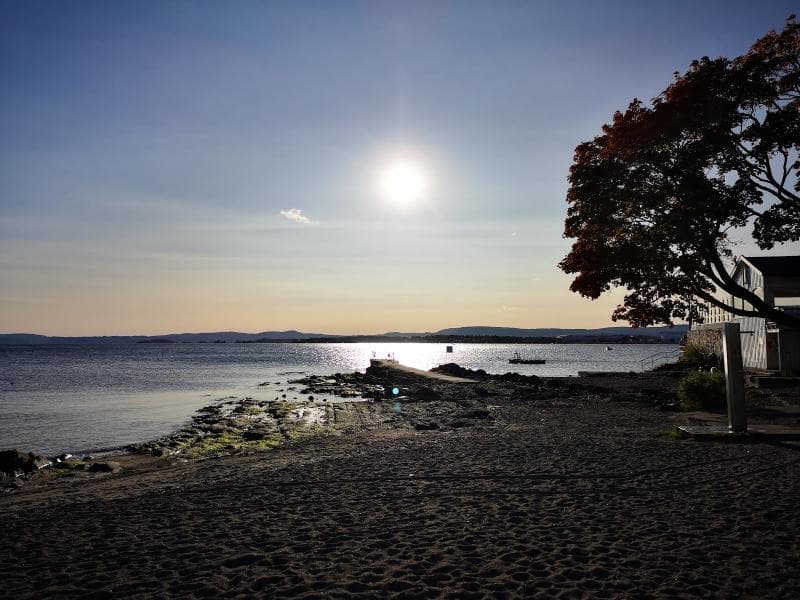
Explore Bygdøy Peninsula in Oslo, Norway, home to world-class museums, beautiful beaches, and royal estates. Discover Viking history, polar exploration, and Norwegian culture.
Overview
The Bygdøy Peninsula, often affectionately known as 'Museum Island', is a verdant oasis located just west of Oslo's bustling city center in Norway. This unique headland offers a remarkable blend of cultural treasures, serene natural landscapes, and rich history, making it a prime destination for any curious traveler. Easily accessible yet feeling wonderfully removed from urban life, Bygdøy is home to some of Norway's most significant museums, picturesque beaches, and peaceful walking trails.
Visitors can explore world-class institutions dedicated to Viking heritage, polar exploration, maritime history, and traditional Norwegian culture. Beyond the museums, Bygdøy boasts inviting sandy beaches like Huk and Paradisbukta, the tranquil Kongeskogen (King's Forest), and the majestic Bygdøy Royal Manor and Oscarshall Palace. This distinctive combination allows for an enriching experience that caters to both intellectual curiosity and a desire for natural beauty.
History & Cultural Background
The story of Bygdøy begins long before it became a peninsula. Originally an island known in Old Norse as 'Bygðey,' meaning 'built district on the island,' it eventually joined the mainland due to post-glacial rebound, a geological process where land rises after the melting of ice sheets.
Historically, Bygdøy served as farmland for a Cistercian monastery during the Middle Ages before transitioning into a favored hunting and recreation ground for the Norwegian royal family. In the mid-1800s, King Karl Johan played a pivotal role in establishing a large public park on the peninsula. A significant cultural milestone occurred in 1882 with the founding of the Norwegian Museum of Cultural History (Norsk Folkemuseum), recognized as one of the world's first open-air museums, dedicated to showcasing Norwegian cultural heritage. The peninsula's royal legacy continues today, with Bygdøy Royal Estate serving as the official summer residence for Norway's King, and Oscarshall, a charming summer palace, adding to its historical grandeur. In 1948, Bygdøy formally became an integral part of Oslo.
What Makes It Special
What truly sets Bygdøy apart is its extraordinary concentration of history and culture within such a compact and naturally beautiful area. It's a place where the tales of ancient Vikings, daring polar explorers, and seafaring traditions are preserved alongside the everyday life of past Norwegians.
The peninsula is a hub for several nationally important museums, including the Fram Museum, which houses the legendary polar ship *Fram*, and the Kon-Tiki Museum, showcasing Thor Heyerdahl's incredible raft expeditions. The Norwegian Museum of Cultural History provides a fascinating journey through centuries of Norwegian life with its extensive open-air collection. Beyond the museums, Bygdøy's allure lies in its serene landscape—tree-lined avenues, tranquil coastal paths, and stunning views of the Oslofjord—offering a peaceful respite that feels miles away from the urban hustle.
Stories, Fun Facts & Local Details
Imagine setting foot on the same planks as legendary explorers! At the Fram Museum, you can board the actual ship *Fram*, used by Fridtjof Nansen for his Arctic drift and Roald Amundsen for his journey to the South Pole. Meanwhile, the Kon-Tiki Museum tells the inspiring story of Thor Heyerdahl's 1947 expedition across the Pacific on a balsa raft, proving ancient migration theories. You can see the original *Kon-Tiki* raft and *Ra II* reed boat.
The Norsk Folkemuseum is a living history book, featuring over 140 historic buildings relocated from various parts of Norway, including the impressive 13th-century Gol Stave Church. Costumed interpreters often bring the past to life during the summer months. Bygdøy is also known for its beautiful beaches like Huk and Paradisbukta, which become vibrant hubs for locals during the summer. A walk through Kongeskogen, the King's Forest, reveals not just natural beauty but also cultural monuments, hinting at the area's long royal connection.
Visitor Perspective
Visiting Bygdøy is an immersive experience that can easily fill a half-day or even a full day, especially for those keen on exploring multiple museums and enjoying the outdoors. The peninsula is conveniently accessible from central Oslo. You can take Bus 30 year-round, which stops at all the main museums. For a more scenic journey during the warmer months (typically March to October), a ferry departs from City Hall Pier, offering picturesque views of the Oslo Fjord before dropping you close to the museum cluster.
Many find that arriving by ferry and then exploring the museums on foot or by bicycle creates a memorable day. The museums are relatively close to each other, making it feasible to visit two or three in one trip. While there are cafés at some museums, planning for meals or packing a picnic to enjoy by the fjord is a good idea, as dining options are less abundant than in the city center. The best time to visit is from late spring to early autumn, when the weather is pleasant, the ferry is operating, and the beaches are inviting.
Coordinates: 10.6748, 59.9042
View on Google Maps💬 How Travelers Describe This Place
Based on community votes
Must See
886Beautiful
564Unique
201Interesting
121Photogenic
87
Traveler Stories
Discover memorable experiences shared by travelers who have visited this place.
No traveler stories yet.
Be the first traveler to share what made this place memorable.
Things to see at Bygdøy Peninsula



Tour
By
Spot
Discover amazing places around the world. Your journey starts here.
Explore
© 2026 TourBySpot. All rights reserved.