Beachfront Paths
Oslo, Norway
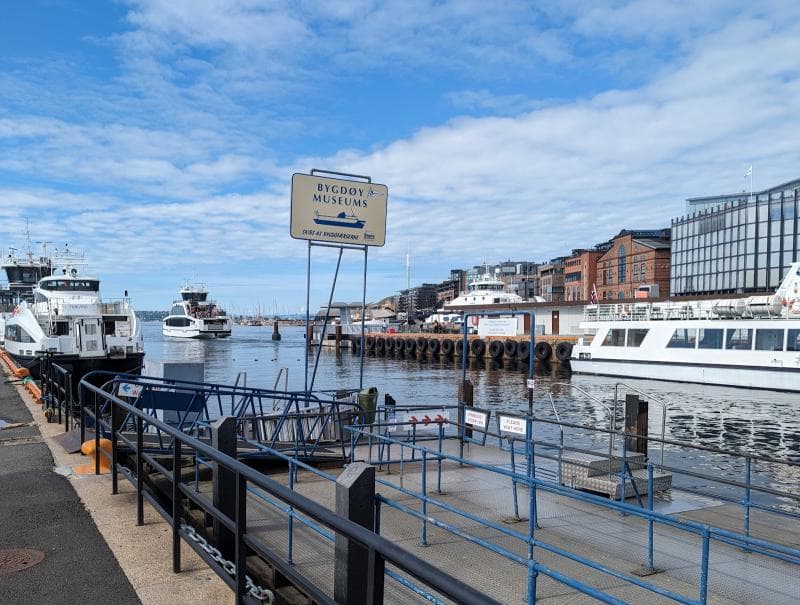
Explore Bygdøy Peninsula's beautiful beachfront paths in Oslo, Norway. Discover museums, beaches, royal grounds, and scenic fjord views.
Overview
The Bygdøy Peninsula, often called Oslo's 'museum island,' is far more than just a cluster of world-class cultural institutions; it's a haven of natural beauty, crisscrossed by an extensive network of beachfront paths and scenic trails. Located just west of Oslo's city center, Bygdøy offers a tranquil escape with its lush landscapes, historic sites, and captivating coastline. These paths weave through a diverse tapestry of environments, from sandy beaches and rocky shores to serene forests and cultivated royal farmlands. They provide an immersive way to experience the peninsula's unique charm, offering panoramic views of the Oslofjord and easy access to its many attractions. Whether seeking a leisurely stroll, a refreshing jog, or a scenic bike ride, the beachfront paths of Bygdøy provide an inviting outdoor adventure for all visitors.
History & Cultural Background
Bygdøy's history is deeply intertwined with both nature and royalty. Originally an island, its name derives from an Old Norse term meaning 'built district on the island,' hinting at its long-standing significance. For centuries, it served as farmland for a Cistercian monastery during the Middle Ages and later became a hunting and recreational area for the Norwegian Royal Family. This royal legacy is still visible today in sites like Oscarshall, a neo-Gothic summer palace built in the mid-19th century, and the Bygdøy Royal Manor, a working organic farm. The preservation of these royal estates contributed to Bygdøy retaining its unusually green and semi-rural character despite its proximity to the capital. The development of paths and recreational areas throughout the peninsula evolved naturally from its role as a favored retreat, allowing both royals and later, the public, to enjoy its natural splendor. This historical emphasis on access and appreciation for nature laid the groundwork for the well-maintained network of trails that visitors enjoy today.
What Makes It Special
What truly sets Bygdøy's beachfront paths apart is their remarkable blend of natural beauty, cultural accessibility, and varied terrain. Unlike many urban green spaces, these paths don't just offer a single viewpoint; they provide an ever-changing panorama of the Oslofjord, showcasing everything from bustling boat traffic to secluded coves. The paths seamlessly connect popular swimming spots like Huk, Paradisbukta, and Bygdøy Sjøbad, allowing for a refreshing dip or a moment of relaxation by the water. Beyond the coastal stretch, the trails venture into Kongeskogen, the King's Forest, offering a different kind of natural experience with deciduous trees and cultural monuments hidden within. This integration of beaches, forests, and historically significant landmarks, all within easy reach of a major city, creates a unique destination where one can alternate between cultural immersion and outdoor recreation. The paths are predominantly flat, making them accessible for various fitness levels and activities, including cycling and pushing strollers.
Stories, Fun Facts & Local Details
Bygdøy's paths are not just routes; they are threads connecting stories of exploration, cultural heritage, and daily life. Imagine the renowned Norwegian explorers, whose vessels are now preserved in the Fram and Kon-Tiki Museums nearby, perhaps once strolling these very shores before embarking on their epic journeys. The paths around the Norwegian Museum of Cultural History, an open-air museum with historic buildings from across Norway, offer glimpses into past ways of life, sometimes even featuring cows grazing freely. Locals often refer to Bygdøy as the 'Museum Peninsula,' and these paths are the veins that allow visitors to truly appreciate its full scope, from ancient Viking history at the future Museum of the Viking Age (formerly Viking Ship Museum) to modern-day royal connections. A fun fact for cyclists: the peninsula offers a delightful, romantic two-wheel ride, complete with views of the sea and the royal cows, often highlighting why locals consider it one of the best ways to experience Bygdøy. The presence of Bygdøy Royal Manor, still a working farm with sheep and cows grazing in summer, adds to the pastoral charm, reminding visitors that this tranquil escape also has a living, breathing agricultural heritage.
Visitor Perspective
For the curious traveler, exploring the beachfront paths of Bygdøy is an essential part of the Oslo experience. Many suggest that while the museums are a draw, the peninsula itself – its tree-lined lanes, open water, and quiet ambiance – is equally significant. The paths are well-maintained, offering a mix of gravel and asphalt surfaces, suitable for walking, jogging, and cycling. Access to Bygdøy is convenient, with a year-round bus service (Bus 30) from the city center stopping near the museums and beaches. During warmer months, a scenic ferry ride from City Hall Pier 3 provides a beautiful approach, dropping visitors close to the main museum area. While the full loop around the peninsula is a moderate undertaking, shorter walks are easily arranged, allowing visitors to tailor their experience. For instance, one could take the bus to Huk and follow the coastal path towards Paradisbukta and Bygdøy Sjøbad. Comfortable footwear is recommended, as a full day of sightseeing can involve more walking than anticipated, but the relatively flat terrain ensures an enjoyable outing for most.
Coordinates: 10.6766, 59.9056
View on Google Maps💬 How Travelers Describe This Place
Based on community votes
Beautiful
886Unique
564Must See
233Interesting
201Photogenic
121
Traveler Stories
Discover memorable experiences shared by travelers who have visited this place.
No traveler stories yet.
Be the first traveler to share what made this place memorable.

Tour
By
Spot
Discover amazing places around the world. Your journey starts here.
Explore
© 2026 TourBySpot. All rights reserved.