Norwegian Folk Museum
Oslo, Norway
Explore the Norwegian Folk Museum in Oslo, Norway. Discover centuries of Norwegian culture, traditional buildings, and the iconic Gol Stave Church.
Overview
Nestled on the picturesque Bygdøy Peninsula in Oslo, Norway, the Norwegian Folk Museum, known locally as Norsk Folkemuseum, invites visitors on a captivating journey through centuries of Norwegian cultural history. As one of Europe's largest and oldest open-air museums, it offers a vivid and immersive experience of everyday life in Norway from the 16th century to the present day. Spanning both expansive outdoor exhibits and engaging indoor galleries, the museum presents a rich tapestry of traditions, crafts, and lifestyles from various regions of Norway. More than 160 historic buildings, meticulously relocated and preserved, dot the museum grounds, arranged to evoke distinct rural farmsteads and an authentic urban 'Old Town' environment.
A visit here is a step back in time, where the past is not merely observed but truly felt. From ancient wooden structures like the Gol Stave Church to early 20th-century cityscapes, the museum breathes life into Norway's diverse heritage. It's a place where history comes alive through tangible artifacts, architectural marvels, and a deep sense of connection to the generations that shaped Norway.
History & Cultural Background
The Norwegian Folk Museum was founded in 1894 by librarian and historian Hans Aall, driven by a vision to document and preserve the everyday life and cultural practices of Norway following the Reformation. Its establishment was part of a broader national fervor, aiming to foster a sense of identity and togetherness during a period of seeking greater independence from Sweden. A pivotal moment in the museum's development occurred in 1907 when it incorporated the distinguished King Oscar II's Collection. This collection, originally established in 1881, is recognized as the world's first open-air museum and included significant structures like the Gol Stave Church, effectively forming the cornerstone of Norsk Folkemuseum's expansive outdoor exhibits. Over the decades, the museum systematically gathered artifacts, buildings, and knowledge from across the country, aiming to present a comprehensive picture of both rural and urban Norwegian life, including the rich cultural heritage of the Sámi people. Through its extensive collections and educational programs, the museum continues to explore what it means to be Norwegian and how culture evolves in interaction with society and nature.
What Makes It Special
What truly sets the Norwegian Folk Museum apart is its monumental open-air section, a sprawling landscape dotted with over 160 authentic buildings transported from every corner of Norway. Walking through the museum feels like traversing the entire country and its history. The star attraction is undoubtedly the magnificent 13th-century Gol Stave Church, an intricate wooden masterpiece originally from Gol, which now stands proudly as a testament to medieval Norwegian architecture.
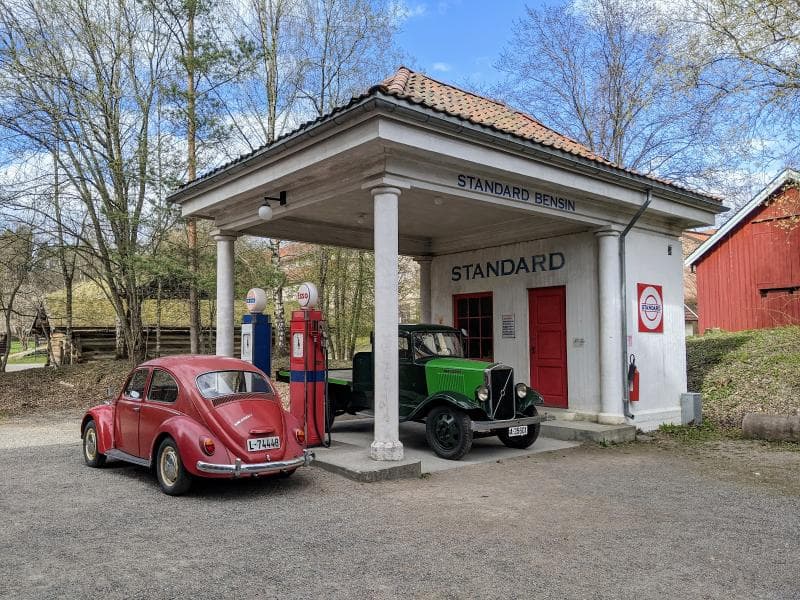
Beyond the stave church, visitors can explore diverse farmsteads with turf-covered roofs, reflecting different regional building traditions, alongside a charming 'Old Town' featuring an early 20th-century urban environment complete with a pharmacy, a village shop, and even an old petrol station. The museum actively brings history to life with staff dressed in traditional peasant costumes, demonstrating age-old crafts like weaving, pottery-making, and baking traditional 'lefse', offering a dynamic and interactive experience of past livelihoods.
Stories, Fun Facts & Local Details
Imagine stepping into an apartment from 1865, then another from the 1950s, or even one furnished in 2002 by an immigrant family from Pakistan – the museum's Wessels gate 15 tenement building offers this unique temporal progression of urban living. It's these intimate details that allow visitors to connect with the human stories behind the historical structures. The museum also houses an impressive collection dedicated to Sámi culture, showcasing their unique artifacts, traditional garments, and addressing their historical context in Norway.
During the summer months, the museum bursts with activity, featuring traditional foods, folk dancing, and music, providing a festive atmosphere where both young and old can participate in cultural demonstrations. A fun fact is that the King Oscar II Collection, which included the Gol Stave Church, was considered the world's first open-air museum, founded in 1881, before being incorporated into Norsk Folkemuseum. This means the museum essentially inherited and expanded upon a pioneering concept in museum curation.
Visitor Perspective
For any curious traveler to Oslo, the Norwegian Folk Museum offers an unparalleled opportunity to immerse oneself in Norway's past. Given its extensive outdoor component, it's often recommended to plan a visit on a day with pleasant weather to fully enjoy strolling among the historic buildings and open landscapes. However, even on cooler days, the indoor exhibitions provide rich insights into folk art, traditional costumes, and cultural artifacts. The museum is highly family-friendly, with numerous activities designed to engage children, from interacting with farm animals to participating in traditional craft workshops.
Located conveniently on the Bygdøy Peninsula, it's also within walking distance of other major Oslo museums, such as the Fram Museum and the Kon-Tiki Museum, making it an ideal part of a full day of cultural exploration. The immersive nature of the museum, where history is not just displayed but actively re-enacted and explained by knowledgeable guides, creates a memorable and enriching experience for all who visit.
Coordinates: 10.6849, 59.9041
View on Google Maps💬 How Travelers Describe This Place
Based on community votes
Unique
836Interesting
797Photogenic
286Beautiful
255Must See
86
Traveler Stories
Discover memorable experiences shared by travelers who have visited this place.
No traveler stories yet.
Be the first traveler to share what made this place memorable.

Tour
By
Spot
Discover amazing places around the world. Your journey starts here.
Explore
© 2026 TourBySpot. All rights reserved.