Viking Ship Area
Oslo, Norway
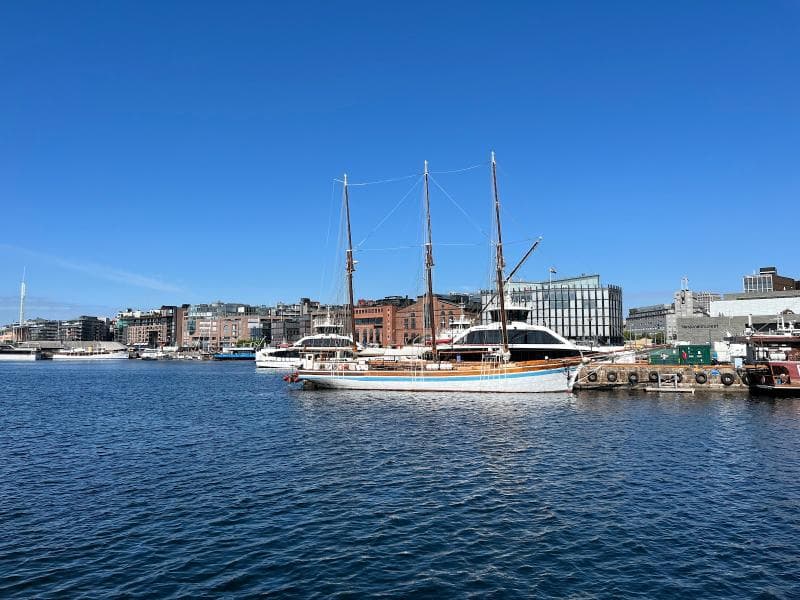
Explore the Viking Ship Area on Oslo's Bygdøy Peninsula, home to the Oseberg, Gokstad, and Tune ships and Viking Age artifacts. Reopening 2027.
Overview
Nestled on the verdant Bygdøy Peninsula in Oslo, Norway, the area known as the 'Viking Ship Area' is a site of profound historical significance. It is here that three of the world's best-preserved Viking ships, along with thousands of artifacts, tell the epic story of Norway's seafaring ancestors. While the original Viking Ship Museum is currently undergoing a transformative expansion, it is set to reopen in 2027 as the spectacular Museum of the Viking Age, promising an even more immersive journey into the heart of the Viking era. This future museum will be a national symbol, housing treasures that are Norway's most important contribution to world cultural heritage.
This unique cultural institution will display the Oseberg, Gokstad, and Tune ships, each over a thousand years old, providing an unparalleled glimpse into Viking shipbuilding, craftsmanship, and burial traditions. The collection represents the most complete surviving record of Viking Age material culture globally. Visitors will soon explore these magnificent vessels in new, climate-controlled surroundings, ensuring their preservation for generations to come, while also engaging with modern interactive exhibitions and a vast array of associated grave goods.
History & Cultural Background
The story of the Viking ships began with remarkable archaeological discoveries in the late 19th and early 20th centuries. The Tune ship was first unearthed in 1867, followed by the Gokstad ship in 1880, and finally, the most spectacular Oseberg ship in 1904. These ships were not merely discarded vessels; they served as elaborate burial chambers for high-status individuals, often chieftains or aristocratic women, accompanied into the afterlife by a wealth of personal possessions and animals.
The incredible preservation of these wooden ships, dating back to the 9th century, is largely due to the unique burial practices of the Vikings. They were carefully interred in mounds of clay, which created anaerobic conditions that protected the organic materials from decay for over a millennium. Following these discoveries, there was a clear need for a dedicated facility to house and protect these priceless artifacts. The original Viking Ship Museum, designed by architect Arnstein Arneberg, was built in stages, with the hall for the Oseberg ship opening in 1926 and the wings for the Gokstad and Tune ships completed by 1932. This initiative transformed the Bygdøy Peninsula into a focal point for understanding the Viking Age.
What Makes It Special
The 'Viking Ship Area' stands out because it houses original, not replica, Viking ships – each with its own compelling narrative. The Oseberg ship, discovered in a burial mound outside Tønsberg, is hailed as the 'world's most significant discovery from the Viking Age'. Built around 820 CE, it is the most elaborately decorated and best-preserved of the three, with about 90 percent of its original wood still intact. Its intricate carvings, depicting mythical creatures and elaborate patterns, are masterpieces of Scandinavian Viking Age art. It served as the final resting place for two women, whose identities remain a historical enigma, surrounded by an astonishing array of grave goods.
The Gokstad ship, dating from around 890 CE, is a larger and more robust vessel, designed for long voyages across open seas. It exemplifies the Vikings' exceptional seafaring prowess and engineering skill. The Tune ship, built around 910 CE, though less preserved, holds a unique significance as it is the only one untouched by reconstruction, presenting an authentic glimpse of its original state. Together, these vessels, alongside over 5,500 other artifacts including textiles, sledges, and everyday tools, provide a comprehensive picture of Viking life and death.
Stories, Fun Facts & Local Details
Imagine the spectacle of the Oseberg burial: two high-status women laid to rest in a magnificent ship, surrounded by four ornately carved sledges, a beautifully crafted wagon, rich textiles, beds, kitchenware, and even the remains of horses, dogs, and oxen – all intended for their journey into the afterlife. The exquisite animal-head posts found among the Oseberg treasures are iconic examples of Viking Age artistry, showcasing a sophisticated culture often overshadowed by tales of raids.
A fascinating recent chapter in the museum's history involves the meticulous relocation of these ancient ships into their new, expanded home. The Oseberg ship, for instance, embarked on its first journey in nearly a century in September 2025, gliding at a mere ten inches per minute to ensure its delicate structure remained safe. This careful process highlights the immense effort and respect given to these thousand-year-old wooden marvels, ensuring they can continue to inspire awe for centuries more. The new museum will also feature a museum garden with Viking Age plants, further enriching the visitor's experience.
Visitor Perspective
Stepping into the 'Viking Ship Area' – or soon, the Museum of the Viking Age – on Bygdøy Peninsula is more than just visiting a museum; it's a profound encounter with history. While currently closed for its grand transformation, the anticipation for its reopening in 2027 builds excitement for travelers. You'll soon stand in the presence of ships that once navigated treacherous seas, carried powerful individuals, and witnessed a pivotal era of human exploration and expansion. The sheer scale and intricate details of the Oseberg, Gokstad, and Tune ships will transport you back to the age of the Vikings, offering an emotional connection to a distant past. The new facility promises an enhanced visitor experience with its expanded space, modern exhibitions, and dedicated areas that will bring the stories of these ancient mariners and their world vividly to life. It's an opportunity to marvel at human ingenuity, artistry, and the enduring legacy of a culture that profoundly shaped Scandinavia and beyond.
Coordinates: 10.6841, 59.9048
View on Google Maps💬 How Travelers Describe This Place
Based on community votes
Photogenic
886Unique
443Beautiful
310Must See
277Interesting
233
Traveler Stories
Discover memorable experiences shared by travelers who have visited this place.
No traveler stories yet.
Be the first traveler to share what made this place memorable.

Tour
By
Spot
Discover amazing places around the world. Your journey starts here.
Explore
© 2026 TourBySpot. All rights reserved.